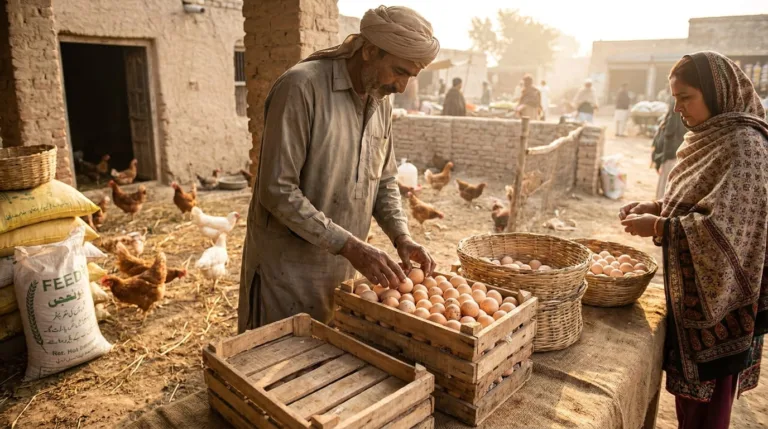
Have you ever gone to the market with your parents and heard them discussing how egg prices have gone up or down this week? Maybe you’ve wondered why something as simple as eggs doesn’t just cost the same amount all the time. Well, if you live in Pakistan or South Asia, you’ve probably heard the term “desi anda,” which means local or country eggs. These aren’t just any eggs, they’re special, and their prices tell an interesting story about farming, economics, and the food on your breakfast table!
Here’s something that might surprise you: the price of desi anda can change from week to week, season to season, and even city to city. Sometimes eggs might cost 15 rupees each, and a few months later they could jump to 25 rupees or more! It’s not because shopkeepers are trying to trick you. There are actually fascinating reasons behind these price changes, and understanding them can teach you a lot about how our food system works.
In this article, we’ll crack open the mystery of desi anda prices (see what I did there?). You’ll learn what makes these eggs different from regular farm eggs, why their prices bounce around like a yo-yo, and what farms like Multanfarms.com are doing to provide quality eggs at fair prices. Ready to become an egg expert? Let’s dive in!
What Makes Desi Anda Different from Regular Eggs?
First things first, let’s talk about what “desi anda” actually means. In Urdu and Hindi, “desi” means local or indigenous, and “anda” means egg. So desi anda refers to eggs that come from chickens raised in more traditional, natural ways, usually free-range or backyard chickens that roam around and eat a varied diet.
Compare this to regular commercial eggs, which come from chickens kept in large farms where they’re given specific feed and live in controlled environments. Desi anda chickens are more like free spirits! They scratch around in the dirt, hunt for bugs, eat grass and seeds, and generally live more natural lives. This different lifestyle affects everything about the eggs, including their taste, nutrition, and yes, their price.
You can usually spot a desi anda by its characteristics. The yolk tends to be darker orange or deep yellow instead of pale yellow. The shell might be slightly thicker and come in various shades of brown or even cream. Many people believe desi anda tastes richer and more flavorful, kind of like how homegrown tomatoes taste better than store-bought ones. Whether that’s scientifically true or not, lots of families prefer them and are willing to pay extra for what they see as a premium, more natural product.
The Roller Coaster Ride of Desi Anda Prices
So why don’t desi anda prices stay the same? Great question! The answer involves several factors that make egg prices go up and down like a roller coaster. Let’s break down the main reasons.
Chicken feed costs are probably the biggest factor. Chickens need to eat, just like you do! Even though desi chickens find some of their own food by foraging, farmers still need to provide grain, corn, and other feed. When the prices of these grains go up (maybe because of a bad harvest or global supply issues), it costs more to keep chickens healthy and laying eggs. Naturally, this extra cost gets passed on to customers.
Seasonal changes also play a huge role. During extreme heat in summer, chickens lay fewer eggs because they’re stressed and uncomfortable. It’s like how you might not feel like doing much when it’s super hot outside! Fewer eggs mean less supply, and when supply drops but demand stays the same, prices go up. This is basic economics at work, the same principle that makes ice cream more expensive in summer when everyone wants it.
Festival and holiday demand can send prices skyrocketing. Think about it: during Ramadan, Eid, or wedding season, people cook tons of special foods that need lots of eggs. Suddenly, everyone wants to buy eggs at the same time! When demand shoots up quickly, prices naturally increase. It’s similar to how movie tickets might cost more on opening weekend when everyone wants to see the latest blockbuster.
Transportation and location matter too. If you live in a big city far from where chickens are raised, eggs have to travel to reach you. The cost of fuel, truck maintenance, and time all add to the final price. That’s why desi anda might cost more in Karachi or Lahore compared to a small village where chickens are raised right nearby.
How Farms Like Multanfarms.com Keep Prices Fair
Now you might be thinking, “With all these price changes, how can anyone plan their budget?” That’s where dedicated farms like Multanfarms.com come in. These farms work hard to balance quality with affordability, and they use smart strategies to keep prices as stable as possible.
Direct farm-to-consumer sales help cut out middlemen. Instead of eggs passing through multiple dealers (each adding their own markup), farms that sell directly can offer better prices. It’s like buying strawberries directly from a farmer’s market instead of a grocery store, you’re skipping the extra stops that add extra costs.
Smart farming practices also make a difference. Good farms plan ahead by storing feed when prices are low, maintaining healthy flocks to ensure consistent egg production, and using efficient methods that reduce waste. Think of it like meal prepping, if you plan and prepare smartly, you save money in the long run!
Seasonal planning helps too. Experienced farmers know when to expect price fluctuations and adjust accordingly. They might increase their flock size before high-demand seasons or focus extra care on keeping chickens comfortable during extreme weather. This forward thinking helps smooth out some of those wild price swings.
Quality farms also focus on building trust with customers. When people know they’re getting genuinely good desi anda from healthy, well-cared-for chickens, they’re more understanding about reasonable price changes. It’s the difference between feeling ripped off and knowing you’re paying a fair price for quality.
What Affects the Quality (And Therefore the Price)?
Not all desi anda are created equal, and the quality differences definitely affect what people are willing to pay. Understanding these quality factors helps explain why some eggs cost more than others.
What chickens eat makes a massive difference. Desi chickens that eat a varied diet of insects, greens, grains, and seeds produce more nutritious eggs with richer taste. These eggs naturally command higher prices because they’re genuinely better. It’s like comparing a meal cooked with fresh ingredients versus processed food, the quality shows!
How chickens are raised matters enormously. Chickens with access to open space, sunshine, and clean environments are healthier and happier. Stressed, cramped chickens produce lower quality eggs. Farms that prioritize animal welfare often charge a bit more, but customers get better eggs in return.
Freshness is crucial too. An egg laid yesterday is completely different from one that’s been sitting around for two weeks. Fresh eggs have firmer whites, rounder yolks, and better taste. Farms with good distribution systems can get fresh eggs to market quickly, which justifies slightly higher prices.
Certifications and standards can also affect price. Some farms follow organic standards, avoid antibiotics and hormones, or meet other quality certifications. Meeting these standards costs money but produces superior eggs that health-conscious customers happily pay extra for.
Smart Shopping: Getting the Best Value for Your Money
Now that you understand desi anda pricing, how can you and your family get the best value? Here are some practical tips that work in the real world.
Buy from trusted sources like established farms (such as Multanfarms.com) or reputable local sellers. While they might not always be the absolute cheapest, you’ll get consistent quality and fair prices. Plus, you avoid the risk of fake “desi anda” that are actually just regular eggs being sold at premium prices!
Understand seasonal patterns and adjust your buying accordingly. If you know prices spike during certain festivals or seasons, you might stock up a bit beforehand (eggs can keep for several weeks in the refrigerator). It’s like buying school supplies in July instead of waiting until September when prices are higher.
Check the eggs before buying. Fresh desi anda should feel heavy for their size, have clean shells without cracks, and the yolk shouldn’t move around too much when you gently shake it. These simple checks ensure you’re getting what you pay for.
Consider buying in bulk if your family uses lots of eggs. Many farms offer better per-egg prices when you buy a dozen or more at once. Just make sure you’ll actually use them before they go bad!
The Bigger Picture: Why Desi Anda Prices Matter
You might wonder, “Why should I care about egg prices? I’m not the one buying groceries!” Fair point, but understanding food prices teaches you important lessons about economics, agriculture, and how our world works.
Food prices affect everyone. When basic foods like eggs become expensive, it impacts family budgets and what people can afford to eat. In many South Asian households, eggs are an affordable source of protein, so price changes really matter to people’s daily nutrition and health.
Farmers’ livelihoods depend on fair prices too. If eggs are too cheap, farmers can’t cover their costs and might go out of business. But if prices are too high, people stop buying. Finding that balance is tricky but essential for both farmers and consumers.
Understanding supply and demand through something simple like desi anda prices gives you insight into bigger economic principles. These same concepts affect everything from video games to houses to college tuition. Learning to think about why prices change helps you become a smarter consumer and citizen.
Supporting good farms also means supporting better animal welfare and sustainable practices. When you choose quality desi anda from responsible farms, you’re voting with your money for farming practices that treat animals well and protect the environment.
Wrapping It All Up: The Real Deal on Desi Anda Prices
So what have we learned about desi anda prices? They’re not random at all! Prices change based on feed costs, seasonal factors, demand fluctuations, transportation expenses, and quality differences. Farms like Multanfarms.com work to provide quality eggs at stable, fair prices by using smart farming practices and building direct relationships with customers.
The next time you hear adults discussing egg prices, you’ll understand what’s really going on. You’ll know that higher prices during Ramadan aren’t about greed, they’re about supply and demand. You’ll understand why genuine desi anda costs more than regular eggs, and you’ll appreciate the work that goes into getting those eggs from farm to table.
Whether you’re eating a simple egg paratha for breakfast or helping with grocery shopping, you’re now part of an interesting economic system that connects farmers, markets, and families. Pretty cool when you think about it, right?
What do you think is a fair price to pay for quality, fresh desi anda? And would you rather save money or ensure you’re getting eggs from chickens that are treated well?