Okay, hear me out on this one. What if I told you that putting mud on your face could actually be good for your skin? I know it sounds totally backwards, right? After all, your parents probably spent years telling you to wash the dirt off your face! But here’s the thing: not all “dirt” is created equal. When we talk about mineral face masks, we’re talking about special types of clay and minerals from the earth that have some pretty amazing superpowers when it comes to skincare.
You might be wondering why anyone would intentionally smear clay on their face. Well, people have been doing it for thousands of years, from ancient Egyptian queens like Cleopatra to modern beauty enthusiasts today. The secret lies in the minerals, tiny natural elements found in certain types of clay and earth that can actually help your skin look and feel better. These aren’t the same minerals you might think of when you picture shiny rocks or crystals. Instead, they’re natural compounds that interact with your skin in helpful ways.
So what’s the deal with these muddy face masks, and how do they actually work? In this article, we’ll dig into the fascinating world of mineral face masks (pun totally intended). We’ll explore what they’re made of, how they benefit your skin, and why this ancient beauty secret is still popular today. Trust me, by the end of this, you’ll understand why getting a little dirty might just be the cleanest thing you can do for your face!
What Exactly Is a Mineral Face Mask?
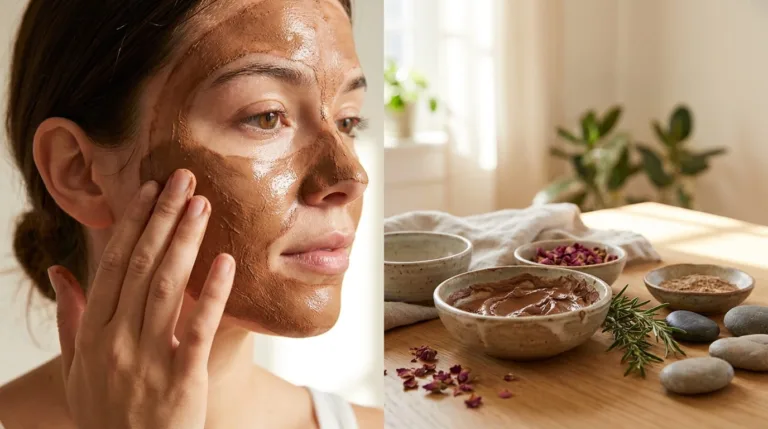
Let’s start with the basics. A mineral face mask is a skincare product made primarily from natural clays and minerals that come straight from the earth. Think of it like a temporary mudpack that you spread on your face, let it sit for a while, and then wash off. But this isn’t just any old mud from your backyard (please don’t try that). These are special types of clay that contain beneficial minerals like magnesium, calcium, potassium, and silica.
The most common types of clay used in mineral face masks include bentonite clay (which comes from volcanic ash), kaolin clay (a softer, gentler clay), and Dead Sea mud (which is loaded with minerals from one of the saltiest bodies of water on Earth). Each type has its own unique properties and benefits. Some are better for oily skin, while others work great for sensitive skin.
When you apply a mineral face mask, it usually starts out wet and smooth, kind of like spreading frosting on a cake. As it dries, it hardens and tightens on your skin. This might feel a bit weird at first (some people say it feels like their face is being gently hugged), but that’s actually the mask doing its job. Once it’s completely dry, you wash it off with warm water, and underneath, your skin feels fresh and clean.
The Science Behind the Magic
So how does smearing clay on your face actually help your skin? It all comes down to some pretty cool chemistry. Clay has a negative electrical charge, while many of the impurities on your skin (like excess oil, dirt, and dead skin cells) have a positive charge. When these opposite charges meet, they attract each other like magnets. This process is called adsorption (not absorption, that’s different), and it’s basically the clay pulling all the gunk out of your pores and onto its surface.
Think of it like this: imagine your pores are tiny vacuum cleaner bags that have gotten full of dust and debris. The mineral face mask acts like a super-powered magnet that pulls all that stuff out, leaving your pores cleaner and less clogged. Pretty neat, right?
The minerals themselves also play important roles. For example, silica helps maintain your skin’s elasticity (its ability to bounce back), while magnesium can help with skin repair and regeneration. Calcium helps strengthen the outer layer of your skin, acting like a protective shield. It’s like giving your face a multivitamin, but from the outside instead of swallowing a pill.
Benefits That Go Beyond Clean Pores
Cleaning out your pores is great, but mineral face masks can do so much more. One of the biggest benefits is oil control. If you’ve ever dealt with a shiny forehead or oily T-zone (that’s the area across your forehead and down your nose), you know how annoying excess oil can be. Mineral masks are like tiny sponges that soak up that extra oil, leaving your skin looking more balanced and matte.
Another awesome benefit is exfoliation, which is just a fancy word for removing dead skin cells. Your skin is constantly making new cells and shedding old ones (kind of like how a snake sheds its skin, but way less dramatic). Sometimes those dead cells don’t shed properly and can build up, making your skin look dull. Mineral masks help remove these dead cells, revealing the fresher, brighter skin underneath.
Many people also notice that mineral face masks can help with minor breakouts and blemishes. While they’re not a magic cure for acne, they can help by keeping pores clean and reducing inflammation (swelling and redness). Some minerals, like sulfur, actually have antibacterial properties, which means they can fight the bacteria that contribute to pimples.
Different Masks for Different Skin Types
Here’s something important to understand: not everyone’s skin is the same, and that means not every mineral face mask will work the same way for everyone. Your skin type matters a lot when choosing the right mask. It’s kind of like how different hair types need different shampoos.
If you have oily or acne-prone skin, you’ll probably benefit most from stronger clays like bentonite or French green clay. These are super absorbent and can really suck up that excess oil. They’re like the heavy-duty version of mineral masks.
For people with dry or sensitive skin, gentler options like kaolin clay or pink clay work better. These are softer and less likely to make your skin feel tight or uncomfortable. Think of them as the lighter, more delicate version that still gets the job done without being too harsh.
If you have combination skin (oily in some spots and dry in others), you might need to get creative. Some people actually use different masks on different parts of their face, which is called multi-masking. You could put a stronger clay on your oily T-zone and a gentler one on your dry cheeks. It’s like customizing your skincare routine for each specific area.
How to Use a Mineral Face Mask Like a Pro
Ready to try a mineral face mask? Here’s the step-by-step process that’ll help you get the best results. First, always start with a clean face. Wash your face with your regular cleanser to remove any makeup, sunscreen, or surface dirt. You want the mask to work on your actual skin, not on top of a layer of other stuff.
Next, apply the mask in an even layer, avoiding the delicate skin around your eyes and lips. You can use your fingers, but a brush makes it easier and less messy. Don’t make the layer too thick (you’re not trying to build a face sculpture) or too thin (it won’t be as effective). Aim for about the thickness of a couple of stacked coins.
Now comes the waiting game. Most mineral masks need about 10 to 15 minutes to work their magic. You’ll feel the mask start to tighten as it dries, which is totally normal. However, here’s a pro tip: don’t let it dry completely until it’s rock-hard and cracking. If your skin starts to feel uncomfortable or too tight, it’s time to rinse it off. Over-drying can actually irritate your skin rather than help it.
When it’s time to remove the mask, use warm (not hot) water and gentle circular motions. Take your time and make sure you get all the clay off. Follow up with your regular moisturizer because even though mineral masks are great for your skin, they can be a bit drying. Your skin will appreciate that extra hydration.
Natural Sources and Sustainability
Ever wonder where all this clay actually comes from? Mineral face masks start their journey in some pretty interesting places around the world. Bentonite clay often comes from deposits in places like Wyoming in the United States, where ancient volcanic activity left behind these mineral-rich sediments. Dead Sea mud comes from (you guessed it) the Dead Sea, located between Israel and Jordan. Kaolin clay gets its name from a hill in China where it was first discovered.
At companies focused on natural products, there’s a growing emphasis on sustainable sourcing. This means harvesting these minerals in ways that don’t harm the environment or deplete natural resources faster than they can regenerate. It’s kind of like the difference between picking apples from a tree carefully so it keeps producing fruit versus chopping down the whole tree.
Some brands also focus on fair trade practices, making sure that the people who extract and process these minerals are paid fairly and work in safe conditions. When you choose products from responsible companies, you’re not just taking care of your skin, you’re also supporting better practices for the planet and the people involved in making these products.
The Connection to Wellness and Self-Care
Using a mineral face mask isn’t just about improving your skin (though that’s definitely a nice bonus). It’s also become part of a bigger trend toward self-care and taking time for yourself. In our busy, screen-filled lives, setting aside 15 minutes to apply a face mask and relax can actually be really good for your mental health too.
Think about it: when you’re wearing a face mask, you’re kind of forced to slow down. You can’t really eat, talk much, or look at your phone without getting clay everywhere. It becomes a moment to just chill, maybe listen to some music, read a book, or practice some deep breathing. It’s like hitting the pause button on your hectic day.
Many people turn face masking into a regular ritual, like a weekly treat for themselves. Some do it with friends, turning it into a fun social activity complete with snacks and gossip. Others prefer to make it their solo relaxation time. There’s no right or wrong way to do it, whatever makes you feel good and helps you unwind.
Bringing It All Together
So there you have it, the complete scoop on mineral face masks! From ancient beauty secrets to modern skincare science, these muddy treatments have stood the test of time for good reason. They harness the natural power of minerals and clays to clean pores, control oil, exfoliate dead skin, and even help with minor breakouts. Plus, they offer a great excuse to take some time for yourself and practice self-care.
The next time someone gives you a weird look for putting “dirt” on your face, you can confidently explain the science behind it. You’ll know that you’re not just following some random beauty trend, you’re using natural minerals that have been helping people care for their skin for thousands of years. Whether you have oily skin, dry skin, or something in between, there’s probably a mineral face mask out there that’s perfect for you.
Ready to give mineral face masks a try? What skin concerns would you most want to address with a mask? Remember, taking care of your skin is an investment in yourself, and sometimes the best solutions come straight from nature!