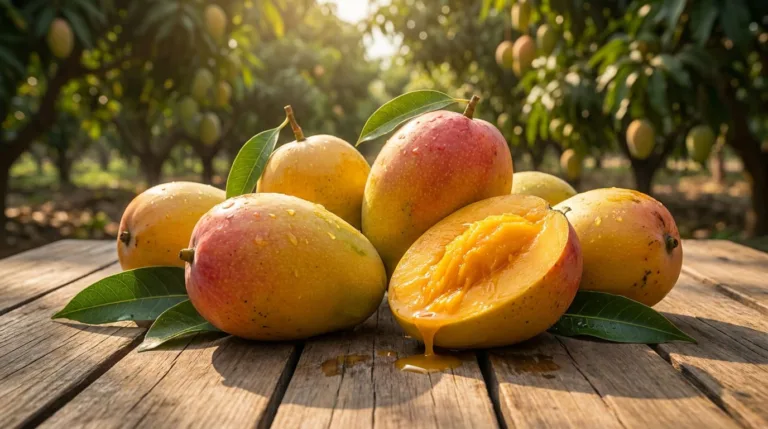
Imagine biting into a fruit so sweet, so juicy, and so perfectly delicious that it makes you close your eyes and smile. That’s what eating Pakistan’s sweetest mangoes feels like! If you’ve never experienced the incredible taste of a perfectly ripe Pakistani mango, you’re seriously missing out on one of nature’s most amazing treats. Pakistan isn’t just any mango-growing country, it’s actually one of the world’s top producers, and some people say it grows the absolute best mangoes on the entire planet!
But here’s the million-dollar question: which variety is actually the sweetest? With over a dozen different types of mangoes grown across Pakistan, from the fertile fields of Punjab to the orchards of Sindh, the competition is pretty fierce. At Multanfarms.com, we’ve seen firsthand how passionate people get about their favorite mango varieties. Some folks swear by the famous Chaunsa, while others can’t get enough of the silky-smooth Anwar Ratol.
In this article, we’re going on a delicious journey through Pakistan’s mango world to discover which variety truly deserves the crown of “sweetest mango.” You’ll learn what makes Pakistani mangoes so special, meet the top contenders for the sweetest spot, and maybe even discover your new favorite fruit along the way!
Why Is Pakistan Called the “Land of Mangoes”?
Pakistan’s relationship with mangoes goes back thousands of years, and it’s not just about growing them, it’s about perfecting them. The country’s climate is like a perfect recipe for mango heaven. Hot summers, the right amount of rainfall, and rich soil create ideal conditions for mango trees to thrive. Think of it like Goldilocks finding the perfect porridge, not too hot, not too cold, but just right!
Every year, Pakistan produces over 1.8 million tons of mangoes, making it one of the top five mango-producing countries globally. But it’s not just about quantity. Pakistani farmers have spent generations learning exactly how to grow mangoes that burst with flavor and sweetness. The knowledge gets passed down from parent to child, creating a tradition of mango expertise that you can literally taste in every bite.
What really sets Pakistan apart is the incredible variety of mangoes grown here. While other countries might focus on just one or two types, Pakistan cultivates more than 20 different varieties! Each one has its own unique flavor profile, texture, and sweetness level. It’s like having a whole rainbow of delicious options to choose from.
Meet the Sweetest Contenders: Pakistan’s Top Mango Varieties
Let’s talk about the real stars of the show, the mango varieties that compete for the title of sweetest. First up is Sindhri, often called the “Queen of Mangoes.” This variety comes from Sindh province (hence the name) and is famous for its golden-yellow color and honey-like sweetness. When you bite into a Sindhri, it’s like tasting concentrated sunshine. The flesh is so sweet and aromatic that some people say it’s almost too good to be true!
Then there’s Chaunsa, probably the most famous Pakistani mango both at home and abroad. Chaunsa mangoes are like the popular kids in school, everyone knows them and loves them. They’re incredibly sweet with a rich, creamy texture that melts in your mouth. What makes Chaunsa extra special is its perfect balance, sweet enough to satisfy your biggest sugar cravings but with just a tiny hint of tanginess that keeps things interesting.
But wait, there’s a dark horse in this competition: Anwar Ratol. This smaller mango might not look as impressive as its bigger cousins, but don’t let its size fool you! Anwar Ratol is intensely sweet and packed with flavor. It’s like the difference between a regular chocolate bar and super-concentrated chocolate fudge. Some mango experts at Multanfarms.com argue that Anwar Ratol is actually the sweetest of all, even though it doesn’t get as much attention as the more famous varieties.
What Actually Makes a Mango Sweet?
You might wonder, what’s the science behind mango sweetness? It’s not just magic (although it tastes magical). The sweetness in mangoes comes from natural sugars, mainly sucrose, fructose, and glucose, that develop as the fruit ripens. Think of it like watching bread dough rise, there’s actual chemistry happening inside that fruit!
The amount of sunshine a mango tree gets plays a huge role in sweetness. More sunlight means more photosynthesis, which means more sugar production. That’s why Pakistani mangoes, grown under the intense South Asian sun, develop such incredible sweetness. The soil quality matters too. Rich, well-drained soil gives the tree all the nutrients it needs to produce super-sweet fruit.
Timing is everything when it comes to sweetness. Pick a mango too early, and it’ll be sour and hard. Wait too long, and it becomes mushy and over-fermented. Farmers like those at Multanfarms.com have to know the exact perfect moment to harvest each variety. It’s like trying to catch a wave while surfing, you’ve got to time it just right!
How Do You Find the Perfect Sweet Mango?
Picking the sweetest mango at a market or store is kind of like a treasure hunt, you need to know what clues to look for. First, forget about using color as your only guide. While many mangoes turn yellow or red when ripe, some of the sweetest varieties stay greenish even when perfectly ripe. The real trick is using your sense of touch and smell.
Give the mango a gentle squeeze. It should feel slightly soft, kind of like pressing on a tennis ball. Too hard means it’s not ready yet. Too mushy means you’ve missed the perfect window. The mango should also have a sweet, fruity smell near the stem end. If it smells like nothing, it’s probably not ripe. If it smells fermented or sour, it’s past its prime.
Here’s a pro tip from the experts: heavier mangoes are usually juicier and sweeter. When you’re choosing between two mangoes that look similar, pick up both and go with the heavier one. That extra weight means more juice and more concentrated sugars inside. At Multanfarms.com, we teach people that shopping for mangoes should use all your senses, not just your eyes!
What’s the Big Deal About Mango Season in Pakistan?
In Pakistan, mango season isn’t just a time of year, it’s basically a national celebration! From May to August, the whole country goes mango-crazy. Markets overflow with different varieties, families gather to enjoy mango parties, and everyone has heated debates about which type is the best. It’s like how people in other countries get excited about pumpkin season in fall, but way more intense.
The peak of mango season, usually June and July, is when the sweetest varieties hit their stride. During these months, you’ll find the most perfectly ripe Chaunsas, Sindhris, and Anwar Ratols. Farmers work around the clock to harvest and get their mangoes to market at just the right time. It’s an incredibly busy period, but also a happy time because everyone knows they’re providing people with something that brings pure joy.
What’s really cool is how Pakistani families have traditions around mangoes. Some families have favorite orchards they visit every year, kind of like how some people have traditions of visiting the same beach or vacation spot. Others have special recipes passed down through generations for mango desserts, drinks, and dishes. Mangoes aren’t just fruit in Pakistan, they’re part of the culture!
How Do Different Regions Grow Different Sweet Mangoes?
Pakistan’s geography creates fascinating differences in mango varieties. In Punjab, particularly around Multan (where Multanfarms.com is based), the intense summer heat produces super-sweet Chaunsas and Langras. Multan is actually nicknamed “City of Saints and Mangoes” because of its incredible mango production. The hot, dry climate there concentrates the sugars in the fruit, creating that intense sweetness people crave.
Down in Sindh province, especially around Mirpur Khas, the slightly different climate produces the famous Sindhri mangoes. The soil composition and temperature patterns in Sindh give Sindhri its unique honey-like flavor. It’s amazing how just a few hundred miles can create such different tastes!
Even within the same region, mangoes from different orchards can taste different. Factors like irrigation methods, soil nutrients, and even the age of the trees affect the final sweetness. That’s why experienced mango lovers develop relationships with specific farms or vendors they trust, kind of like how coffee lovers have their favorite coffee shops.
Can You Make Sweet Mangoes Even Sweeter?
Here’s a fun fact: the way you store and prepare mangoes can actually affect how sweet they taste! If you buy mangoes that aren’t quite ripe yet (which is pretty common since they’re often picked early for shipping), you can help them reach maximum sweetness at home. Put them in a paper bag with a banana or apple. These fruits release ethylene gas, which speeds up ripening. It’s like giving your mango a little boost to help it reach its full potential!
Once a mango is perfectly ripe, you can put it in the refrigerator to keep it at that perfect sweetness level for a few more days. Cold temperatures slow down the ripening process, kind of like hitting a pause button. Just remember to take it out about an hour before eating, because cold mangoes don’t taste as sweet or flavorful as room-temperature ones.
Some people swear by the “water trick” for getting the most sweetness out of their mangoes. They soak whole, unpeeled mangoes in water for a few hours before eating them. While scientists aren’t totally sure why this works, many people believe it helps draw out more of the natural sweetness and makes the flesh juicier.
So, What’s the Verdict on Pakistan’s Sweetest Mango?
After exploring all these incredible varieties, here’s the truth: picking the absolute sweetest mango is kind of like choosing the best ice cream flavor. It really depends on personal taste! However, if we’re talking pure sugar content and honey-like sweetness, Sindhri and Anwar Ratol are strong contenders for the crown. Sindhri offers that intense, honey-sweet flavor with a smooth texture, while Anwar Ratol packs concentrated sweetness into a smaller package.
But Chaunsa deserves major recognition too because its sweetness comes with perfect balance and creaminess that makes it incredibly popular worldwide. At Multanfarms.com, we’ve learned that the “sweetest” mango isn’t just about sugar levels, it’s about the whole experience: the aroma, the texture, the way the juice runs down your chin, and the smile it puts on your face.
The best way to find your personal favorite? Try them all! Next mango season, make it your mission to taste different Pakistani varieties and discover which one makes your taste buds happiest. Whether you end up team Sindhri, team Chaunsa, or team Anwar Ratol, one thing’s for sure: you’re in for a delicious adventure. Which mango will you try first?