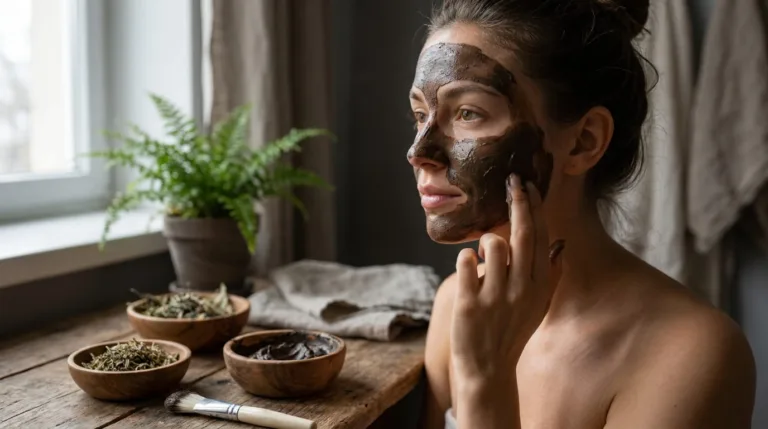
Picture this: someone you know walks into the bathroom with a tub of what looks like chocolate pudding, smears it all over their face, and then sits around for 15 minutes looking like a swamp monster. Sounds weird, right? But here’s the thing, they’re not eating dessert or filming a horror movie. They’re using a mud mask, one of the oldest and most popular skincare treatments in the world! And believe it or not, people have been doing this for thousands of years.
Picture this: someone you know walks into the bathroom with a tub of what looks like chocolate pudding, smears it all over their face, and then sits around for 15 minutes looking like a swamp monster. Sounds weird, right? But here’s the thing, they’re not eating dessert or filming a horror movie. They’re using a mud mask, one of the oldest and most popular skincare treatments in the world! And believe it or not, people have been doing this for thousands of years.
You might be wondering why anyone would voluntarily cover their face in dirt. It seems pretty backwards, doesn’t it? After all, we spend most of our lives trying to keep mud off our clothes and out of the house. But mud masks are actually packed with minerals and nutrients that can do amazing things for your skin. From ancient Egyptian queens to modern beauty enthusiasts, people across history have discovered that the right kind of mud can make your skin look healthier and feel smoother.
At Multanfarms.com, we believe in understanding natural remedies and products that come from the earth, and mud masks are a perfect example of how nature provides solutions we can use every day. In this article, you’ll discover what mud masks really are, how they work their magic, where the best mud comes from, and whether you should give this gooey face treatment a try. Get ready to learn why getting dirty might actually be the key to cleaner, healthier skin!
What Exactly Is a Mud Mask Anyway?
Let’s start with the basics. A mud mask is exactly what it sounds like, a skincare product made from special types of mud or clay that you spread on your face (or other parts of your body) and leave on for a while before washing it off. But we’re not talking about the regular mud you find in your backyard after it rains. The mud used in these masks comes from specific places around the world where the soil is rich in minerals like magnesium, calcium, and iron.
Think of a mud mask like a super-powered sponge for your face. When you apply it, the mask dries and hardens a bit, and while it’s sitting there, it’s actually pulling out dirt, oil, and other gunk from your pores. Your pores are tiny openings in your skin, kind of like miniature tunnels, and they can get clogged with dead skin cells, sweat, and oil. The mud mask works like a magnet, attracting all that stuff to the surface so it can be washed away.
Most mud masks start as a thick, smooth paste that’s easy to spread. As it dries on your skin over about 10-20 minutes, you’ll feel it tightening, which is totally normal! That tightening sensation means the mask is doing its job. Once it’s dry, you simply rinse it off with warm water, and underneath you’ll find skin that feels refreshed and looks clearer.
Where Does Mud Mask Magic Come From?
Not all mud is created equal, and the best mud masks come from some pretty special places around the world. The most famous is probably the Dead Sea, located between Jordan and Israel. The mud from the Dead Sea is legendary because this body of water is super salty and filled with minerals. For thousands of years, people have traveled there to cover themselves in its mineral-rich mud, believing it has healing properties.
Another popular source is bentonite clay, which comes from volcanic ash that’s been weathered over time. When volcanoes erupted millions of years ago, they left behind ash that eventually transformed into this special clay. It’s found in places like Wyoming in the United States and has incredible absorption powers. Scientists have discovered that bentonite clay has a negative electrical charge that attracts positively charged toxins and impurities, kind of like how magnets work!
Kaolin clay is another superstar ingredient, originating from a region in China called Kauling (which is where it gets its name). This white or pink clay is gentler than bentonite and perfect for sensitive skin. Then there’s rhassoul clay from Morocco, which has been mined in the Atlas Mountains for over 1,400 years. Each type of mud or clay has its own unique mineral composition, which means they each have slightly different benefits for your skin. At Multanfarms.com, we appreciate how geography and natural resources create these diverse, useful products.
How Does Slapping Mud on Your Face Actually Help?
Here’s where things get really interesting. When you put a mud mask on your face, several cool processes start happening at once. First, there’s the absorption effect we mentioned earlier. The clay particles in the mask have tiny spaces between them, almost like a microscopic honeycomb. These spaces suck up excess oil (called sebum) from your skin’s surface. If you’ve ever dealt with a shiny forehead or oily T-zone, this is the part that helps with that!
Second, mud masks provide exfoliation, which is a fancy word for removing dead skin cells. Your skin naturally sheds millions of dead cells every day, but sometimes they don’t come off completely and end up clogging your pores. The mask gently lifts these dead cells away when you wash it off, revealing the fresher, newer skin underneath. It’s like peeling away an old layer to find a shinier one beneath, similar to peeling the plastic film off a new phone screen!
Third, the minerals in the mud actually nourish your skin. Magnesium helps with hydration, calcium promotes skin cell renewal, and zinc can help fight bacteria that causes acne. Your skin soaks up these minerals while the mask is on, kind of like how a plant absorbs nutrients from soil. The whole process gives your skin a reset, leaving it feeling balanced and looking brighter.
Finally, there’s something called the detoxifying effect. Throughout the day, your skin is exposed to pollution, dirt, and other environmental nasties. Mud masks help draw these impurities out of your skin, giving it a deep clean that regular face washing can’t quite achieve. Think of it as the difference between sweeping your floor versus giving it a deep vacuum and mop!
Who Should Use Mud Masks and When?
You might be thinking, “This sounds great, but is it for everyone?” The answer is yes and no. Mud masks are especially awesome for people with oily or combination skin because they’re so good at soaking up excess oil. If your face tends to look shiny by lunchtime or you’re dealing with breakouts, a mud mask once or twice a week could be your new best friend.
People with acne-prone skin often see great results too. The antibacterial properties in certain clays help kill the bacteria that cause pimples, and the deep cleaning action prevents future breakouts. However, if you have very dry or sensitive skin, you’ll want to be more careful. Some mud masks can be pretty drying, so you’d want to choose a gentler clay like kaolin and only use it once a week, followed by a good moisturizer.
The best time to use a mud mask is after you’ve washed your face and maybe taken a warm shower. The steam and warmth open up your pores, which lets the mask work even more effectively. Many people make mud masks part of their weekend self-care routine, kind of like a mini spa day at home. Sunday evening before the school week starts? Perfect time for a mud mask!
Here’s a pro tip: avoid using mud masks right before an important event. Sometimes they can make your skin look a bit red for an hour or two afterward as blood flow increases to the area. Give yourself at least a few hours, or better yet, do it the night before.
Can You Make Your Own Mud Mask at Home?
Absolutely! While there are tons of pre-made mud masks you can buy at stores, making your own can be fun, cheaper, and you’ll know exactly what’s going into it. The simplest recipe starts with bentonite clay powder (which you can find at health food stores or online) mixed with water or apple cider vinegar to form a paste. The vinegar adds extra cleansing power, though it might smell a bit strong!
For a fancier homemade version, try this recipe: mix two tablespoons of bentonite clay with one tablespoon of raw honey and enough water to make a spreadable paste. The honey adds moisture and has natural antibacterial properties. Some people also add a few drops of tea tree oil if they’re fighting acne, or a bit of aloe vera gel for extra soothing power.
Here’s what you’ll need to know about mixing: always use a non-metal bowl and spoon because metal can mess with the clay’s electrical charge (remember how we talked about it being negatively charged?). Plastic, glass, or wooden utensils work perfectly. Mix it until it’s smooth like peanut butter, not too thick and not too runny.
At Multanfarms.com, we love the idea of understanding and using natural products, and homemade mud masks are a great way to connect with ingredients that come straight from the earth. Plus, you can customize them to exactly what your skin needs!
What Should You Watch Out For With Mud Masks?
Before you go crazy and start using mud masks every single day, hold up! There are a few things to keep in mind. First, never leave a mud mask on for too long. If the package says 10-15 minutes, don’t think that leaving it on for an hour will give you better results. Once the mask is completely dry and starts cracking, it can actually pull too much moisture from your skin, leaving it tight and uncomfortable.
Second, always do a patch test if you’re trying a new mud mask, especially a homemade one. Put a small amount on your inner wrist or behind your ear and wait 24 hours to make sure you don’t have an allergic reaction. Some people are sensitive to certain clays or added ingredients like essential oils.
Third, moisturize after using a mud mask. The mask cleans and tightens your pores, but it can also be drying. After you rinse it off, apply a good moisturizer while your skin is still slightly damp. This locks in hydration and keeps your skin balanced. Skipping this step is like washing your hair but not using conditioner, you’re only halfway done!
Also, be careful about where you rinse the mask off. Don’t let chunks of clay go down your drain because it can cause clogs over time. Wipe off as much as you can with a warm, damp washcloth, then do your final rinse. Your plumbing will thank you!
The Dirt on Mud Masks: Final Thoughts
So there you have it, the complete scoop on mud masks! What started as a simple question about why people put dirt on their faces turns out to have a fascinating answer rooted in ancient beauty practices, mineral science, and skin health. Mud masks are way more than just a trendy beauty treatment, they’re a time-tested way to deep clean your skin, absorb excess oil, and give your complexion a healthy glow.
Whether you choose a fancy store-bought version or mix up your own natural recipe at home, mud masks offer a simple way to take care of your skin using ingredients that come straight from the earth. At Multanfarms.com, we believe in the power of natural solutions, and mud masks perfectly demonstrate how something as simple as clay can provide real benefits. Next time you see someone walking around with a mud-covered face looking like a friendly monster, you’ll know exactly what they’re doing and why it actually makes sense. Ready to give it a try yourself and see what all the muddy fuss is about?