Have you ever heard of a flour that’s packed with so much protein it could rival a chicken breast? Well, let me introduce you to besan chana flour, a golden-colored powder that’s been feeding families across South Asia for thousands of years. If you’ve ever eaten Indian snacks, tried pakoras, or sampled homemade ladoos, you’ve probably already tasted this amazing ingredient without even knowing what it was called. Besan isn’t just any regular flour, it’s a nutritional powerhouse that’s about to become your new favorite kitchen staple.
So what makes besan so special? Unlike the white wheat flour you might use for pizza or cookies, besan is made from chickpeas, a type of legume (that’s a fancy word for beans and lentils). Think of it as nature’s way of packing protein, fiber, and essential nutrients into a simple powder. Whether you’re curious about what your mom uses in the kitchen or you want to understand what makes certain foods healthier than others, learning about besan is like discovering a secret ingredient that’s been hiding in plain sight.
What Exactly Is Besan Chana Flour?
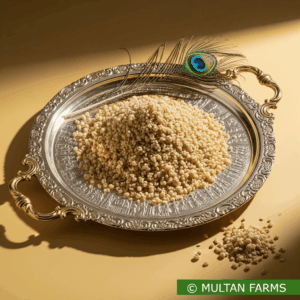
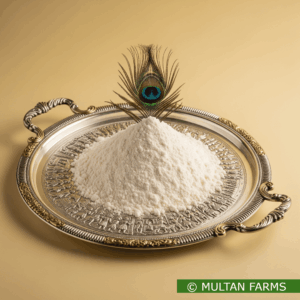
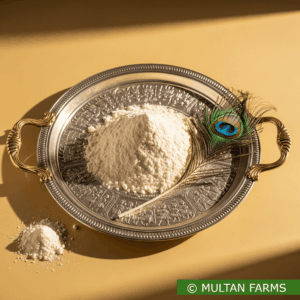
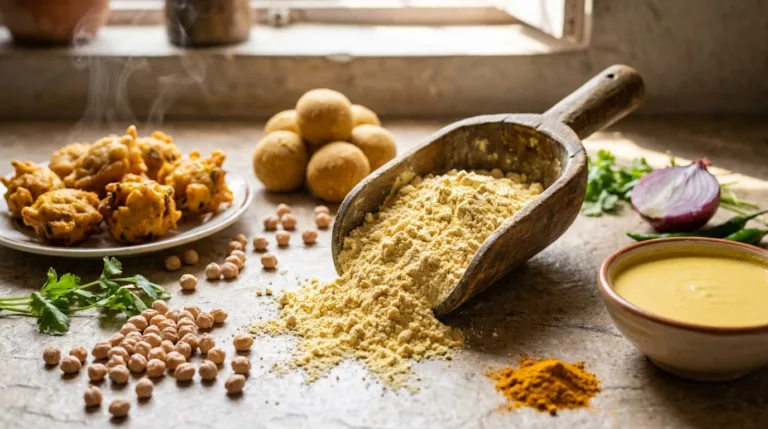
Besan is basically ground chickpeas turned into flour. The word “besan” comes from Hindi, and “chana” means chickpeas, so when you put them together, you’re just saying “chickpea flour.” Imagine taking whole chickpeas, drying them completely, and then grinding them super fine until they become a smooth, pale golden powder. That’s exactly what besan is, and it’s been used in kitchens across India, Pakistan, and other South Asian countries for centuries.
If wheat flour is like the basic ingredient in your pantry, besan is like the upgraded, more nutritious version. While wheat flour is made from grain, besan comes from legumes, which means it has a completely different nutritional profile. The chickpea is native to the Mediterranean and Central Asia, but it found a perfect home in the Multan region of Pakistan, where it’s grown abundantly and used in countless traditional dishes. When you use besan, you’re not just cooking with a regular ingredient, you’re using something that’s been trusted and loved by millions of people for generations.
How Is Besan Made? The Simple Process Behind the Powder
You might think making besan is complicated, but the process is actually pretty straightforward. First, farmers grow the chickpea plants in fields where the soil is rich and the sun shines bright. Once the chickpeas are fully ripe, they’re harvested and dried in the sun until they become hard and brittle. This drying step is super important because it makes the chickpeas easier to process and helps them stay fresh longer.
Next comes the grinding. The dried chickpeas are fed into large mills where they’re crushed and ground repeatedly until they transform into the fine, smooth powder you see in stores. Some traditional mills still use stone grinding methods, which preserves more of the chickpea’s natural nutrients and flavor. The whole process is kind of like how a coffee grinder works, except imagine doing it on a much larger, industrial scale. Once the besan is ground to perfection, it’s packaged and ready to go from farms like those in Multan straight to your kitchen.
Why Is Besan So Packed With Good Nutrition?
Here’s where besan gets really impressive. One cup of besan contains about 20 grams of protein, which is almost as much as you’d get from eating chicken. If you’re a vegetarian or you want to eat less meat, besan is like a golden ticket to getting all the protein your growing body needs. Plus, it’s loaded with fiber, which helps your digestive system work smoothly and keeps you feeling full longer.
Besan also contains important minerals like iron, magnesium, and phosphorus. These minerals are essential for strong bones, healthy blood, and energy throughout your day. Think of these nutrients as building blocks for your body, kind of like how bricks build a strong house. Additionally, besan is naturally gluten-free, which means people who can’t eat wheat can enjoy besan dishes without any problems. It’s also low on something called the glycemic index, which is a fancy way of saying it doesn’t spike your blood sugar quickly like some sugary snacks do.
What Amazing Things Can You Make With Besan?
The coolest part about besan is how many delicious dishes you can create with it. In traditional South Asian cuisine, besan is the star ingredient in pakoras, those crispy, golden fritters that are absolutely addictive. You can make pakora batter by mixing besan with water, spices, and whatever vegetables you want, then deep-fry everything until it’s crunchy on the outside and tender on the inside.
Beyond pakoras, besan is used to make barfi and ladoos, which are traditional sweets that are popular especially during festivals and celebrations. You can also use besan to make flatbreads called cheela or even as a base for healthy energy balls loaded with nuts and dates. Some people even use besan as a substitute for regular flour in pancakes or crepes, giving them a protein boost and a slightly nutty flavor. The versatility of besan is almost endless, which is why it’s such an important ingredient in so many households.
Why Your Health Could Really Benefit From Besan
If you’re thinking about eating better or feeling healthier, besan deserves a spot in your kitchen. Because it’s high in protein and fiber but low in calories, it’s perfect if you want to feel satisfied after eating without overdoing it on unhealthy foods. Athletes and people who exercise regularly often use besan in their diet because it helps build and repair muscles.
Besan is also great for your skin from the inside out. Some people even use besan as a natural face mask mixed with yogurt or honey because it’s gentle, natural, and packed with nutrients. When you eat besan regularly as part of your meals, you’re giving your body a steady supply of energy and nutrients that help you stay active, focused, and healthy throughout your day. It’s basically like giving your body premium fuel instead of regular fuel.
Getting the Best Quality Besan for Your Kitchen
Not all besan is created equal. When you’re choosing besan at the store, look for a powder that’s fine, smooth, and has a consistent pale golden color. If it looks lumpy or discolored, it might be old or not stored properly. The best besan comes from freshly ground chickpeas and is stored in airtight containers away from moisture and direct sunlight. Besan from reputable sources in the Multan region, where chickpea farming is a tradition, tends to be superior in quality and flavor because the chickpeas are grown in ideal conditions and processed carefully.
When you bring besan home, store it in a cool, dry place in a sealed container. If you buy from a trusted source that grinds fresh besan regularly, you’ll get maximum flavor and nutrition. Always check the packaging date if possible, as fresher besan will taste better and have more of its nutritional benefits intact.
So, Are You Ready to Give Besan a Try?
Besan chana flour is way more than just another ingredient gathering dust on your kitchen shelf. It’s a nutritional champion, a versatile cooking ingredient, and a connection to centuries of culinary tradition. Whether you want to add more plant-based protein to your diet, explore new recipes, or simply understand what’s in the foods you eat, besan is definitely worth getting to know. Now that you understand what besan is, how it’s made, and why it’s so good for you, why not ask your family to pick some up and experiment with it in your kitchen? Who knows, you might discover your new favorite way to cook.