Introduction
Imagine a sweetener that doesn’t come from a fancy factory, doesn’t get bleached in a lab, and has been used by your ancestors for thousands of years. Sounds pretty cool, right? Welcome to the world of desi gurr, a traditional treasure that’s still a beloved staple in Pakistani and South Asian kitchens. If you’ve ever tasted something made with desi gurr at your grandmother’s house or at a local fair, you might have noticed it tastes richer and more complex than regular white sugar. But what exactly is this mysterious ingredient, and why do so many people swear by it?
The truth is, desi gurr is so much more than just a sweetener. It’s a piece of history, a connection to our agricultural traditions, and a reminder of how people have been solving everyday needs with simple, natural ingredients for thousands of years. In this article, we’re going to explore everything you need to know about desi gurr, from how it’s made to why it’s so special.
What Exactly Is Desi Gurr?
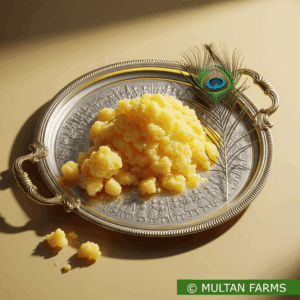
Let’s start with the basics. Desi gurr (also called jaggery) is a traditional sweetener made directly from sugarcane juice. Unlike white sugar that gets processed and refined many times, desi gurr is made by boiling sugarcane juice until it thickens into a solid block. Think of it like how honey is made from flower nectar, but instead, it’s made from sugarcane juice without removing anything important.
The word “desi” means “local” or “homemade” in Urdu, which makes sense because this product has been made locally in homes and small farms across Pakistan for centuries. When you look at a piece of desi gurr, you’ll notice it’s usually brown or dark golden in color. This dark color isn’t a sign that it’s dirty, like some people think, but rather proof that it’s kept all the natural nutrients from the sugarcane plant. It’s crunchy when solid, but it melts quickly on your tongue, filling your mouth with a warm, caramel-like sweetness.
How Is Desi Gurr Actually Made?
The process of making desi gurr is surprisingly simple, and it’s something that has remained almost unchanged for hundreds of years. Here’s how it works:
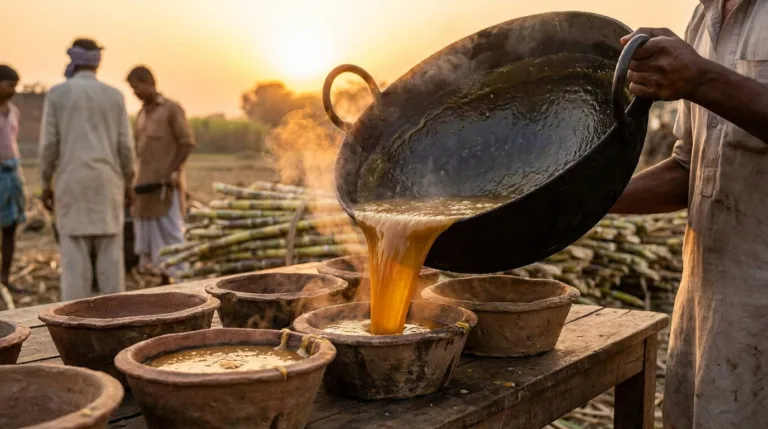
First, farmers harvest ripe sugarcane and squeeze out all the juice. Then comes the important part, the juice gets heated in large, open pans over a fire. As the juice boils, steam rises up, and the liquid becomes thicker and thicker. A worker keeps stirring it constantly so it doesn’t burn and heats evenly. This is actually pretty tough work, because the heat is intense, and the timing has to be just right.
When the juice reaches the perfect thickness (which experienced makers can judge just by looking and touching), it’s poured into molds to cool and harden. Once it cools completely, you have a solid block of desi gurr. The whole process takes hours and requires skill and patience. That’s why traditional desi gurr made the old-fashioned way is often more expensive than the industrial version, but many people say it tastes way better.
Why Is Desi Gurr So Special?
Here’s where desi gurr really gets interesting. Because it’s made with minimal processing, it keeps nutrients that regular white sugar loses. Desi gurr contains minerals like iron, magnesium, and potassium, plus it has something called molasses, which gives it extra nutritional value. That’s why many people in Pakistan and India consider desi gurr healthier than regular sugar.
Another reason people love desi gurr is its flavor. It has this complex, warm sweetness that’s kind of like caramel mixed with honey. This deeper flavor means you often need less of it to make something taste sweet. So in some ways, desi gurr is actually more efficient than regular sugar, because a little goes a long way.
Culturally, desi gurr is super important too. In Pakistan, eating a piece of desi gurr with a handful of peanuts or sesame seeds is a traditional snack that people have enjoyed for generations. It’s often served at celebrations, weddings, and festivals. Many people also believe that desi gurr gives you instant energy, which is why it’s a favorite among workers and farmers who do physical labor.
How Do People Use Desi Gurr in Cooking?
Desi gurr isn’t just a standalone treat, though it’s delicious that way. Cooks use it in tons of recipes. In traditional Pakistani sweets like gajjak (a brittle made with sesame seeds), til ke laddu (sesame balls), and peanut brittle, desi gurr is the main sweetener. It also works great in chutneys, giving them a deeper, richer flavor than white sugar would.
Some people even use desi gurr in tea or milk, where it dissolves and adds that warm sweetness. Because of its nutritional profile, many mothers add a small amount of desi gurr to their children’s milk before bed, believing it helps them sleep better and gives them energy for the next day. In traditional medicine systems like Ayurveda, desi gurr is also used as a home remedy for digestive problems and coughs.
Desi Gurr vs. Regular Sugar: What’s the Difference?
You might be wondering how desi gurr really stacks up against the white sugar you probably have at home. Here’s the honest comparison:
Processing: Desi gurr is basically raw and unrefined, while white sugar goes through multiple chemical processes that remove color, minerals, and molasses. Taste: Desi gurr tastes more complex and warm, while white sugar is just plain sweet. Nutrients: Desi gurr keeps minerals that white sugar loses. Cost: Desi gurr is usually more expensive because it takes more time and skill to make.
Now, does this mean desi gurr is perfect and white sugar is bad? Not necessarily. White sugar is still useful for baking cakes and making certain sweets where you need that pure, neutral sweetness. But when you want authentic flavor and nutrition, desi gurr wins every time.
How to Find Good Desi Gurr
If you want to buy desi gurr, look for pieces that are dark brown or golden, not too pale. The color shows that it has kept its nutrients. You can find it at local bazaars, traditional sweet shops, or online stores like Multanfarms.com that specialize in authentic Pakistani products.
When you buy desi gurr, try to taste a tiny bit (if the shop lets you), it should be sweet without any bitter aftertaste. High-quality desi gurr also has a clean, caramel-like smell. Store it in an airtight container in a cool place, because desi gurr can attract moisture and become sticky if exposed to humidity.
Conclusion
Desi gurr is living proof that sometimes the oldest solutions are the best ones. This traditional sweetener connects us to generations of farmers, cooks, and families who knew the value of simple, natural ingredients. Whether you’re enjoying it as a snack with peanuts, using it in your grandmother’s favorite sweet recipe, or adding it to your morning tea, desi gurr carries with it centuries of tradition and nutrition.
The next time you see a piece of desi gurr, remember it’s not just sugar, it’s a little piece of agricultural heritage. So why not give it a try and taste what your ancestors have been enjoying for thousands of years?