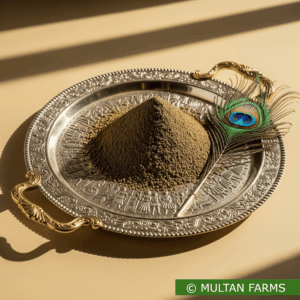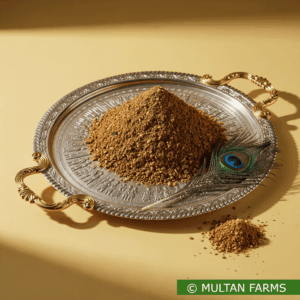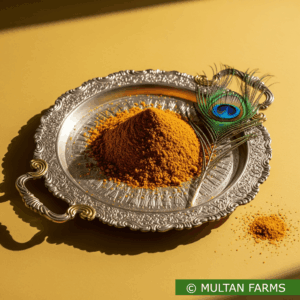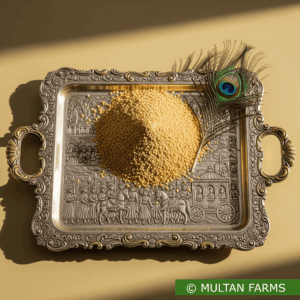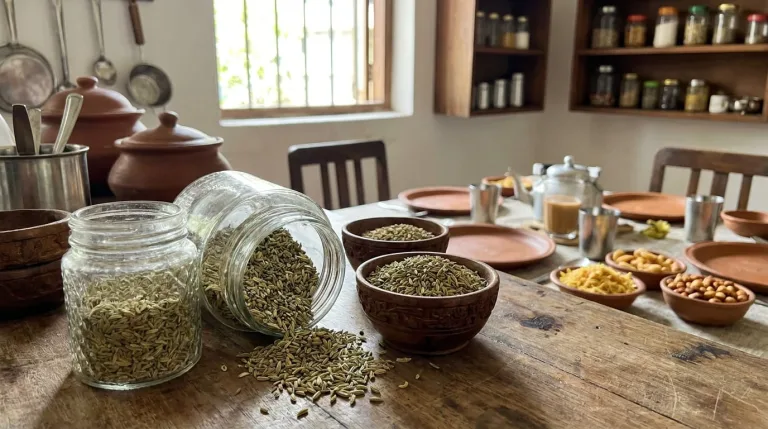
Have you ever walked into someone’s kitchen after a meal and noticed a small bowl of tiny, greenish-brown seeds sitting on the table? You might have even tried chewing on a few without knowing what they were. Well, there’s a good chance those seeds were sonf, and they’re way more interesting than they might look. Sonf is one of those hidden ingredients that makes appearances in kitchens across Pakistan and South Asia, showing up in everything from traditional meals to remedies for an upset stomach. But what exactly is sonf, where does it come from, and why have families been using it for thousands of years?
If you’ve never encountered sonf before, you’re about to discover something pretty cool. This tiny seed has a huge story attached to it, and once you learn more about it, you’ll probably start noticing it everywhere.
Getting to Know Sonf: What Is It Exactly?
So let’s start with the basics. Sonf is the Urdu name for what most English speakers call fennel seeds. These are small, oval-shaped seeds that come from the fennel plant, which is related to the carrot and celery family. If you’re imagining a huge plant covered in these seeds, you’re on the right track. The fennel plant grows tall and has delicate leaves, and when it flowers, it produces these flavor-packed seeds that people have been harvesting and using for thousands of years.
Fennel plants actually grow in many parts of the world, but they’re especially important in South Asia. In fact, Pakistan and India are huge producers of sonf, and the seeds have been part of the region’s cooking and medicine traditions since ancient times. When you buy sonf at a market in Pakistan, you’re getting something that’s been used the exact same way for centuries. That’s pretty incredible when you think about it.
The Taste and Smell: Why Sonf Has Such a Unique Flavor
Here’s where sonf gets interesting. When you first look at these seeds, they don’t seem like much. But the moment you pick one up and smell it, something happens. Sonf has this sweet, licorice-like aroma that’s really distinctive. If you’ve ever had black licorice candy, you’ll recognize that flavor immediately when you chew on sonf seeds. But it’s not exactly the same, it’s a bit milder and more complex, with hints of sweetness that make it appealing in a different way.
The taste is where things get really cool. When you first bite into a sonf seed, you get that sweet, anise-like flavor that reminds you of licorice, but then it shifts into something more refreshing. Some people describe it as having a cooling effect in your mouth, almost like a super mild mint. This unique combination of sweet, aromatic, and slightly refreshing flavors is exactly why sonf works so well in so many different situations, from cooking to traditional remedies. Try chewing on a few seeds yourself, and you’ll understand why people have been excited about this ingredient for thousands of years.
Why Sonf Matters in the Kitchen
Let’s talk cooking. Sonf isn’t just some background ingredient that nobody notices, it’s actually a star player in many South Asian dishes. If your family makes biryani, pulao, or any traditional curry, there’s probably sonf playing a role in the flavor. Some families add it while cooking rice, others sprinkle it into their spice blends, and many use it to flavor their daal. The seeds add a subtle sweetness and aromatic quality that brings everything together beautifully.
One of the coolest things about sonf is how it works with other spices. If you’ve ever tasted a dish that just seemed balanced and perfect, chances are sonf was part of that magic. It doesn’t overpower other flavors, instead it complements them like a good friend who makes everyone around them better. This is why traditional cooks have included it in their spice collections forever. It’s not flashy, but it’s absolutely essential for getting that authentic taste that makes traditional food so good.
The Health Side of Sonf: More Than Just a Flavor
Beyond the kitchen, sonf has another whole reputation that’s been around for thousands of years. In traditional South Asian medicine and wellness practices, sonf is considered really beneficial for your digestive system. Many families chew sonf seeds after meals to help with digestion and freshen their breath at the same time. If someone in your family complains about an upset stomach, there’s a good chance someone will suggest chewing some sonf seeds. It’s one of those natural remedies that’s been passed down through generations.
The reason people trust sonf for these purposes is that it actually contains compounds that are thought to help your digestive system work more smoothly. While scientists are still researching exactly how these compounds work, the cultural tradition of using sonf for wellness is absolutely real and has stood the test of time. Many families keep a small jar of sonf on their kitchen table specifically for chewing after meals, making it both a flavor enhancer and a health helper.
How to Use Sonf in Your Kitchen
Now that you know what sonf is and why people use it, you might be wondering how to actually incorporate it into your cooking. The good news is that it’s super simple. You can add sonf seeds directly to your rice while cooking, sprinkle them into curries, or toast them lightly in a dry pan before grinding them into your spice blends. Some people even use ground sonf as part of a traditional spice mixture called garam masala. The flexibility of sonf is one of the reasons it’s been such a popular ingredient for so long.
Here’s a simple approach: try adding a small handful of sonf seeds to your rice while it’s boiling. You don’t need much, just enough to give the rice a subtle aromatic quality. Or, if your family makes curry, toss a few seeds into the oil at the beginning while you’re cooking the spices. You’ll notice the difference immediately. The beauty of sonf is that you can experiment with how much you use. Start small, taste it, and figure out what works for your family’s preferences.
Finding Quality Sonf That’s Actually Fresh
Not all sonf is created equal. Just like with any ingredient, the quality matters. Good sonf should be fresh, with a strong aromatic smell and a greenish-brown color. If you buy sonf that’s been sitting on a shelf for a year, it won’t have the same flavor punch as fresh seeds. This is why buying from reliable sources matters. You want sonf that’s been handled properly and hasn’t been sitting around losing its flavor.
At Multanfarms.com, we work directly with local farmers in Punjab who grow and harvest sonf the traditional way. This means the seeds you get are fresh, flavorful, and exactly the quality that traditional cooks have been using for generations. When you’re looking for authentic sonf that’ll actually enhance your cooking and deliver that real flavor, that’s the kind of sourcing that makes the difference.
Why Sonf Is Worth Your Attention
Here’s the thing about sonf, it’s one of those ingredients that seems simple on the surface but is actually really important in food traditions that go back thousands of years. It’s been part of South Asian cooking and wellness practices because it works. It tastes good, it helps your food taste better, and it’s been trusted by families for centuries. Whether you’re exploring traditional cooking or just curious about the ingredients in your kitchen, sonf is definitely worth knowing about.
The next time you see a bowl of sonf seeds sitting on a table after a meal, you’ll know exactly what they are and why they’re there. Maybe you’ll even grab a few and discover why your family has been keeping them around forever. That’s when you’ll really understand the connection between an ingredient, a tradition, and a flavor that’s been cherished for thousands of years.