Introduction
Ever wonder why your mom sometimes uses flour that looks a little different from the regular white flour in the kitchen? That might be rice flour, also known as chawal ka aata in Urdu. It’s one of those ingredients that has been quietly feeding families across Pakistan and South Asia for centuries, and it might be hiding in your kitchen right now. Rice flour is basically rice that’s been ground into an incredibly fine powder, kind of like how sand feels compared to regular soil. But here’s the interesting part: this simple ingredient is way more versatile and important than most people think, from the food we eat to other cool uses you probably haven’t considered.
In this article, we’re going to explore the fascinating world of rice flour. We’ll discover where it comes from, how it’s made, what makes it so special, and how it’s used in everything from delicious treats to skincare products. By the end, you’ll understand why rice flour has been such an important part of our culture for so long.
What Exactly is Rice Flour?
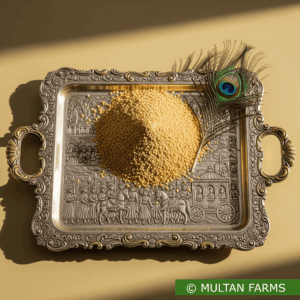
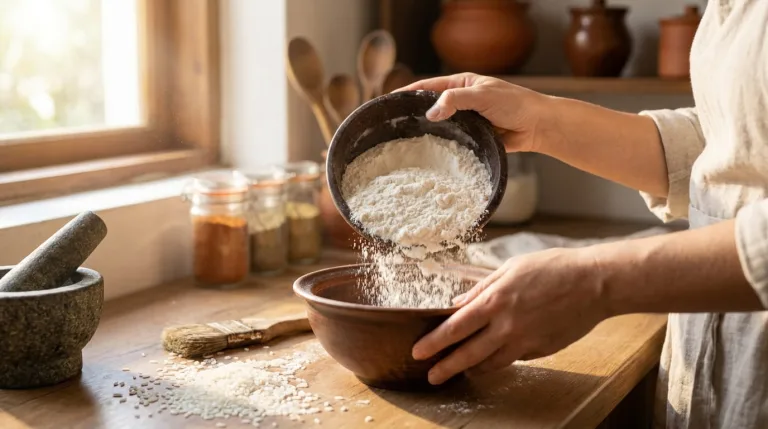
Let’s start with the basics. Rice flour is exactly what it sounds like, rice that’s been ground into a super fine powder. Imagine taking a grain of rice and crushing it down into dust so small you can barely see the individual particles. When you mix this powder with water or other ingredients, it creates a smooth paste or dough that’s different from regular wheat flour.
The cool part? Rice flour is naturally gluten-free, which means it doesn’t contain a protein called gluten that some people’s bodies don’t like. This makes it perfect for people who have celiac disease or just want to avoid gluten in their diets. Regular wheat flour has lots of gluten, but rice flour doesn’t, so it’s a great alternative for baking and cooking.
Where Does Rice Flour Come From?
Rice is one of the most important crops in Pakistan, especially in regions like Punjab where places such as Multan grow tons of rice every year. The process of making rice flour starts in the rice fields where farmers grow rice plants during the monsoon season. After the rice is harvested and cleaned, it goes to mills where the magic happens. The rice grains are dried, then fed into special grinding machines that break them down into that ultra-fine powder we call rice flour.
It’s kind of like how a blender works at home, except the machines in mills are way more powerful and can process huge amounts of rice at once. One kilogram of rice grains can be turned into roughly the same amount of rice flour, so nothing really goes to waste. This is why rice flour is such an economical and sustainable ingredient, making it perfect for families who want to use every bit of their food.
How is Rice Flour Made?
Now let’s look at the journey from rice grain to the fine powder that ends up in your kitchen. First, farmers harvest mature rice plants and remove the outer husks from the rice grains. Once the rice is clean and dried to the right moisture level, it’s ready for grinding. The rice grains are fed into large stone mills or hammer mills that crush and grind them repeatedly until they transform into a silky-smooth powder.
The texture of good rice flour should feel almost like powder when you touch it, never grainy or lumpy. After grinding, the flour is sieved through fine screens to make sure it’s uniform in size. Quality rice flour from places like Multan is often even more finely ground than what you’d find elsewhere, which makes it perfect for creating smooth batters and doughs. The entire process is pretty simple, which is one reason why rice flour has been made the same way for thousands of years in our region.
Why is Rice Flour So Special?
Rice flour has some amazing qualities that make it different from other flours. First, it’s easier to digest than wheat flour because it’s gentler on your stomach. This is why many doctors recommend rice flour for people who are sick or have digestive problems. Second, it has a mild, slightly sweet taste that doesn’t overpower other ingredients, so it works perfectly in both sweet and savory dishes.
Another awesome thing about rice flour is how it behaves when you cook with it. When you mix it with water and heat it up, it becomes thick and creamy, almost like making pudding. This is super useful in cooking because it helps thicken sauces, soups, and curries without affecting the flavor. Many Pakistani dishes use rice flour as a thickening agent, making it an essential ingredient in home cooking.
Traditional Uses of Rice Flour in Pakistani Cuisine
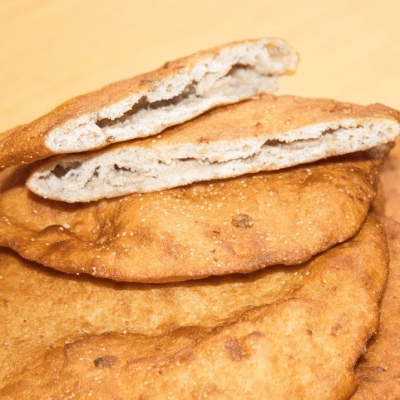
In Pakistan, rice flour is used to make so many delicious foods that you’ve probably already eaten. One of the most popular uses is making khir, a sweet rice pudding that’s a favorite at celebrations and family gatherings. Rice flour is also used to make crispy pakoras and bhajias, those deep-fried snacks that are absolutely irresistible. You’ll also find it in various types of breads and rotis that people make at home, especially in Punjab.
Have you ever had chutneys or gravies that were perfectly thick and smooth? Rice flour is often what makes them that way. It’s also used in making certain types of halwas and traditional sweets that are prepared during religious festivals and celebrations. In many Pakistani homes, rice flour isn’t just an occasional ingredient, it’s a staple that’s used regularly because it’s affordable, nutritious, and incredibly versatile.
Modern Uses Beyond Cooking
While rice flour has always been used in the kitchen, it’s now being used in other exciting ways too. Many skincare products now include rice flour because it’s gentle on skin and can help with things like removing dead skin cells. Some people even make face masks at home by mixing rice flour with yogurt or honey. Rice powder is also used in traditional beauty treatments, especially in South Asian cultures where it’s valued for making skin look brighter and smoother.
Scientists have also discovered that rice flour can be used in non-food products like biodegradable packaging materials. This is actually pretty cool because it means rice flour could help solve environmental problems by replacing plastic. In other countries, rice flour is used in cosmetics, pharmaceuticals, and even in the production of certain textiles. As industries look for natural alternatives to artificial ingredients, rice flour continues to prove how valuable it is.
How to Use Rice Flour at Home
If you want to experiment with rice flour in your own kitchen, here are some easy ideas. You can use it to make crispy coatings for fried foods instead of regular flour. Mix it with water to create a smooth paste for thickening curries and soups. Try baking with rice flour to make pancakes or cookies that are lighter and fluffier than ones made with wheat flour. You can even sprinkle a little rice flour on your skin after a bath to keep it dry and prevent irritation.
One of the easiest ways to start is by making a simple rice flour breakfast porridge. Just mix rice flour with milk, sugar, and your favorite spices, then heat it until it becomes thick and creamy. It’s comforting, nutritious, and tastes amazing, especially on cold mornings.
The Importance of Quality Rice Flour
Not all rice flour is created equal. When you’re buying or using rice flour, it’s important to choose quality products from trusted sources like Multanfarms.com, which provides pure, finely-ground rice flour from the agricultural regions of Multan. Quality rice flour should be white or slightly cream-colored, with no strange smells or discoloration. When you buy from reliable sources, you know exactly what you’re getting and that the flour was processed hygienically.
The fineness of the grind also matters. Finely ground rice flour works better in recipes and creates smoother textures in your dishes. It also mixes more easily with other ingredients compared to coarser varieties. Choosing quality ingredients might seem like a small thing, but it really does make a difference in the taste and texture of what you’re cooking.
Conclusion
So there you have it, the complete story of rice flour, from the rice paddies of Punjab to your dinner table and beyond. Rice flour might seem like just another ingredient sitting on your kitchen shelf, but it’s actually a fascinating food with a rich history, incredible versatility, and surprising uses that go far beyond cooking. It’s been feeding families for generations and continues to be valued today because it’s nutritious, affordable, and works beautifully in both traditional and modern recipes.
Whether you’re using it to make your favorite Pakistani dishes, trying it in new recipes, or even experimenting with it for skincare, rice flour is a fantastic ingredient to have on hand. The next time you’re cooking with your family or preparing a meal, pay attention to rice flour and notice all the amazing things it can do. Who knows, you might discover a new favorite use for this ancient ingredient that has been quietly making food more delicious for centuries. Have you tried using rice flour in any unique ways, or is there a traditional dish you love that uses it?