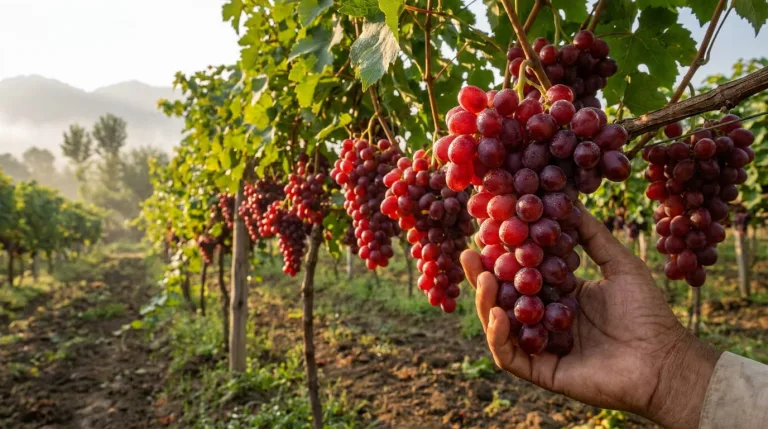
Have you ever picked up a bunch of grapes and thought, “These look too pretty to eat”? That’s exactly the feeling you get when you see King Ruby grapes for the first time. With their deep, jewel-like red color and naturally sweet flavor, these grapes are turning heads across Pakistan’s fruit markets and earning a loyal fan base fast.
King Ruby grapes aren’t just good-looking, they’re also delicious and loaded with nutrition. In this article, we’ll explore where these grapes come from, why Pakistani farmers are growing more of them every season, what makes them stand out from regular grapes, and why you should probably have a bunch sitting in your fridge right now.
What Exactly Are King Ruby Grapes?
King Ruby is a premium variety of red seedless grapes known for their large, plump berries and stunning ruby-red color. Think of them like the royalty of the grape world, hence the name “King.” They’re completely seedless, which means no annoying pits to deal with, and their skin is thin enough to eat comfortably without any bitterness.
These grapes originally gained popularity in parts of Europe and the Middle East before growers in Pakistan adopted them enthusiastically over the past decade. Their firm texture means they travel well and stay fresh longer than many other varieties, which is a big deal for farmers who need to get their fruit to markets across the country without losing quality.
Where Are King Ruby Grapes Grown in Pakistan?
Pakistan is actually one of South Asia’s most promising grape-growing countries, and that might surprise you. Grape cultivation in Pakistan is concentrated in a few key regions, with Balochistan leading the way. Areas like Quetta, Pishin, and Kalat offer the ideal climate for growing high-quality grapes, including the King Ruby variety.
Punjab is also joining the game, with farmers in certain districts experimenting with newer grape varieties to meet growing urban demand. The cool winters and warm summers in these grape-growing zones create just the right conditions for vines to thrive and produce sweet, deeply colored berries. As farming techniques improve, more regions across the country are beginning to explore grape cultivation as a profitable crop.
What Makes King Ruby Grapes So Special?
If you lined up ten different grape varieties, King Ruby would stand out immediately. The deep ruby-red color is the first thing you notice, and it comes from natural pigments called anthocyanins, which are powerful antioxidants found in red and purple fruits.
Beyond the looks, the flavor is where King Ruby really shines. These grapes are naturally sweet with a slight tartness that balances things out perfectly. They’re crisp when you bite into them, not mushy at all, and the juice bursts out in a way that makes them incredibly satisfying to eat. Imagine biting into something that tastes like a treat but is actually good for you, that’s the King Ruby experience.
Health Benefits That Actually Matter
So they taste amazing, but are they genuinely good for you? Absolutely. King Ruby grapes are packed with vitamins and nutrients your body actually needs.
They’re a strong source of Vitamin C, which helps keep your immune system working well and your skin healthy. They also contain Vitamin K, which supports healthy bones. The antioxidants concentrated in the red skin help protect your body’s cells from damage over time. Since these grapes are mostly water, eating a handful also helps keep you hydrated on a hot Pakistani afternoon, which is always a bonus.
Because they’re seedless and naturally sweet, King Ruby grapes make a much smarter snack choice than chips or sugary packaged candy. Your sweet craving gets satisfied, and your body gets something genuinely useful at the same time.
How King Ruby Grapes Are Used Across Pakistan
Most people simply eat King Ruby grapes fresh, and honestly, that’s the best way to enjoy them. But across Pakistan, these grapes are also finding their way into kitchens in creative ways.
Fresh grape juice made from King Ruby grapes is becoming increasingly popular, especially during summer. The rich color gives the juice a beautiful appearance, and the natural sweetness means little to no added sugar is needed. Some households also dry these grapes to make homemade kishmish (raisins), which can be stored for months and used in sweets, rice dishes, and traditional recipes. In bigger cities, King Ruby grapes are appearing in fruit salads, desserts, and even chaat, mixed with seasonal fruits and a squeeze of fresh lemon.
A Growing Market With Real Potential
Pakistani farmers are increasingly turning to premium grape varieties like King Ruby because they fetch stronger prices at market. As more Pakistani consumers become familiar with international fruit varieties, demand for high-quality, visually appealing produce has grown significantly across urban centers.
Export potential is another major reason farmers are paying attention. Pakistani grapes, including King Ruby, have found their way to markets in the Middle East and Central Asia. With proper cold storage and packaging, these grapes can travel long distances while staying fresh, opening up real income opportunities for Pakistani growers who invest in the right infrastructure.
How to Pick and Store King Ruby Grapes the Right Way
When you’re at the market, look for bunches where the grapes are plump, firm, and deeply colored throughout. Avoid any that look shriveled or have soft spots, as those are past their best and won’t taste as good.
At home, store your grapes in the refrigerator without washing them first. Washing too early introduces moisture that speeds up spoilage. When you’re ready to eat, just rinse them under cool water and enjoy. Stored properly, King Ruby grapes can stay fresh for up to two weeks in the fridge, making them a convenient fruit to keep on hand.
Pakistan’s Ruby-Red Treasure Is Worth Discovering
King Ruby grapes are more than just a pretty fruit. They represent Pakistan’s growing agricultural ambition, the creativity of local farmers, and the expanding variety of healthy, delicious produce available to everyday Pakistani families. From Balochistan’s vineyards to fruit stalls across Punjab, this variety is quietly becoming one of the most exciting crops in the country.
Whether you eat them fresh, blend them into juice, or use them in a festive dessert, these grapes deliver on every level. The next time you spot that deep ruby-red cluster at your local fruit stall, pick up a bunch and discover what the excitement is all about. For more on Pakistan’s finest agricultural products and natural foods, visit Multanfarms.com.