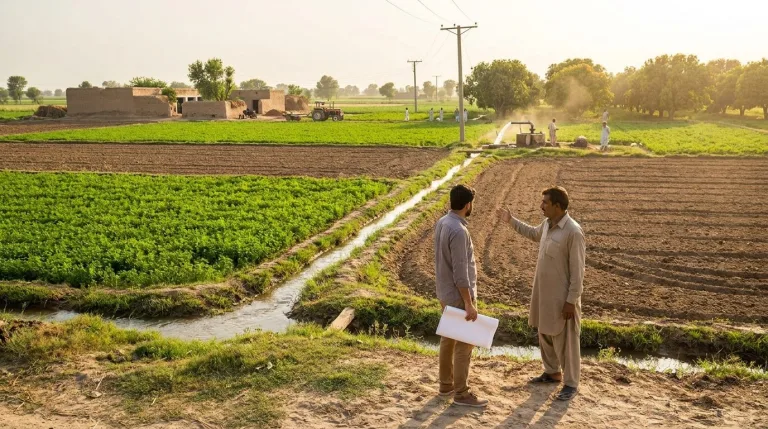
Multan isn’t just Pakistan’s City of Saints. It’s also one of the country’s most productive agricultural regions, sitting in the heart of Punjab’s fertile plains with access to irrigation networks that have supported farming communities for centuries. If you’re considering buying agricultural land in Multan, you’re looking at a market where the soil is rich, crops are diverse, and long-term value is real.
But buying farmland isn’t like buying a car or any other asset. It takes research, patience, and a clear understanding of what you’re actually paying for. This guide covers everything from land types and pricing to legal paperwork and smart buying tips, so you can go in fully prepared.
Why Multan Is One of Punjab’s Best Agricultural Zones
Multan sits in southern Punjab, where centuries of river activity have deposited fertile silt across the plains. This geography gives Multan’s farmland some of the richest soil in the country, ideal for growing wheat, cotton, sugarcane, mangoes, citrus, and vegetables. The region’s extensive canal irrigation system means water availability here is far better than in most other parts of Pakistan.
The climate also works in farmers’ favour. Long summers allow crops like mangoes and cotton to reach full maturity, while mild winters support wheat and winter vegetables. Multan consistently ranks among Punjab’s top agricultural producers, which is exactly why agricultural land for sale in Multan attracts buyers ranging from local farming families to commercial investors.
Types of Agricultural Land You’ll Find in Multan
Not all farmland is the same, and understanding the differences before you buy can save you real money. The most common category is irrigated land, also called “chahi” or canal-irrigated land, which comes with access to government or private water channels. This is the most productive and most expensive type because consistent water supply is the backbone of any farm.
Barani land depends entirely on rainfall. It’s cheaper to buy but also riskier, since Multan’s rainfall can be unpredictable. Then there’s land near tube wells, which uses underground water pumped to the surface, sitting between canal land and barani in terms of cost and reliability. Knowing which type you’re buying is one of the first questions to ask any seller.
How Land Is Measured and Priced in Multan
Before you sit down with any property dealer, you need to know how agricultural land is measured. The standard units are marla, kanal, and acre, with 1 acre equalling 8 kanals and 1 kanal equalling 20 marlas. Sellers in Multan typically quote prices per acre or per kanal depending on the deal size.
Prices vary based on location, water access, road connectivity, and crop history. Land close to Multan city along corridors like Vehari Road or Bosan Road tends to command higher prices because of better infrastructure. Areas in outer tehsils like Jalalpur Pirwala or Shujabad offer more competitive rates while still providing strong agricultural potential. Prime irrigated farmland near Multan can range from Rs. 2 million to Rs. 6 million per acre, while outlying or barani land may start considerably lower.
What to Actually Check Before You Buy
A piece of land looks great from a distance, but real due diligence happens up close. The first thing to verify is the Fard (also called Fard-e-Malkiat), the official ownership document issued by the local Patwari that confirms who legally owns the land. Never make any payment until you’ve seen and verified this document independently.
Also check whether the land has any encumbrances, meaning loans, disputes, or legal claims attached to it. Banks sometimes hold farmland as collateral for agricultural loans, and buying disputed land can lock you into years of legal battles. Confirm the land’s Girdawari record as well, a seasonal crop assessment that shows what was grown on the land and helps verify its productive history.
Soil Quality and Water Access Matter More Than You Think
Buying farmland without checking soil quality is like renting a restaurant kitchen without testing the equipment. The location might look perfect, but if the soil is saline, waterlogged, or depleted, your yields will disappoint no matter how hard you work. Soil testing is inexpensive and tells you the pH level, nutrient content, and salinity of the land before you commit.
Water access deserves equal attention. If the land is canal-irrigated, confirm which watercourse it belongs to and how reliable the supply is across different seasons. If it relies on a tube well, check the depth, the water quality, and whether the pump and motor are functional and included in the sale price.
Working with Dealers and Avoiding Common Mistakes
Most agricultural land transactions in Multan involve a local property dealer. While many are genuinely knowledgeable, it’s important to work with someone who has a verifiable track record. Ask for references, and never rely solely on a dealer’s word for any aspect of the deal.
One of the most common first-time buyer mistakes is skipping formal registration. Once a deal is agreed, the sale must be registered at the local Sub-Registrar’s office to be legally binding. Deals made on a simple written agreement without Registry are not legally secure and have led to countless disputes. Always complete the full registration process, pay the applicable stamp duty, and keep a certified copy of the registered deed.
Is Agricultural Land in Multan a Good Investment?
The honest answer is yes, for the right buyer with realistic expectations. Farmland in Multan has historically appreciated over time, driven by population growth, food demand, and limited supply of quality agricultural land. Beyond appreciation, land can generate active income through crop production, leasing to tenant farmers, or establishing a commercial farming operation.
That said, farming is not a quick-return venture. Returns depend on crop prices, input costs, water availability, and management quality. Buyers who verify documents thoroughly, assess soil and water quality from day one, and commit to proper land management are the ones who see real returns over the long run.
Make Your Agricultural Investment Count
Buying agricultural land in Multan is one of the most grounded investments you can make in Pakistan’s farming heartland. Verify ownership records, check soil and water quality, register the deal properly, and never rush a transaction just because a price looks attractive. Good preparation separates a profitable purchase from a costly mistake.
Want to explore more about farming in Multan, natural agricultural products, and guidance for Pakistani farmers? Visit Multanfarms.com for trusted insights rooted in the soil of southern Punjab.