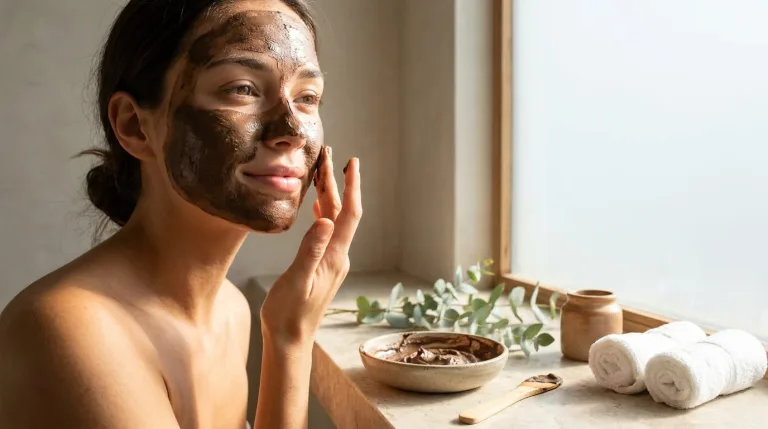
Picture this: ancient Egyptians, Roman bath-goers, and Cleopatra herself all had one beauty secret in common. They packed mineral-rich mud onto their faces and let the earth do the work. Thousands of years later, people are still doing it, and science has a lot to say about why it actually works.
If you’ve ever seen someone walking around with a green or grey paste drying on their face, you’ve witnessed a mud face mask in action. These masks aren’t just a trendy skincare ritual; they’re one of the oldest and most effective ways to deep-clean your skin. By the time you finish reading, you’ll know exactly what’s inside them, why they work, and how to pick the right one for your skin type.
What Is a Mud Face Mask, Exactly?
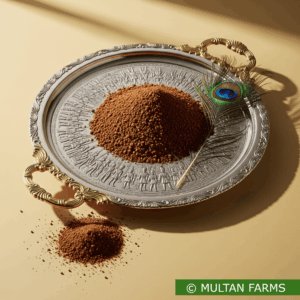
A mud face mask is a skincare product made from natural clay or mineral-rich mud that you apply to your face, leave on for a short time, and then rinse off. The most popular types come from Multani mitti (also called Fuller’s Earth), kaolin clay, bentonite clay, and volcanic ash. Each one has its own texture and set of benefits, but they all share one key property: they draw things out of your skin. Think of it like a sponge. When you press a sponge against a wet surface, it soaks up everything in its path. Mud and clay work in a similar way at a microscopic level, pulling oil, dirt, and impurities out of your pores before you rinse them away.
How Does Mud Actually Clean Your Skin?
Your skin has thousands of tiny pores, which are small openings that release sweat and oil. When those pores get clogged with excess sebum (your skin’s natural oil), dead skin cells, or environmental pollution, you end up with blackheads, breakouts, and a dull complexion. That’s where mud comes in. Clay minerals carry a natural negative electrical charge, while the impurities and toxins in your skin carry a positive charge. When you apply a mud mask, the opposite charges attract each other, and the clay pulls the gunk out of your pores like a magnet. It’s a simple principle of chemistry, but the results show up clearly on your skin.
The Multani Mitti Connection
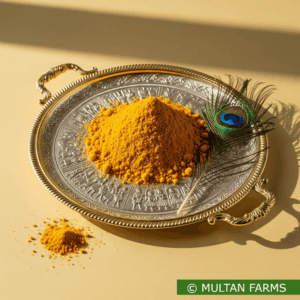
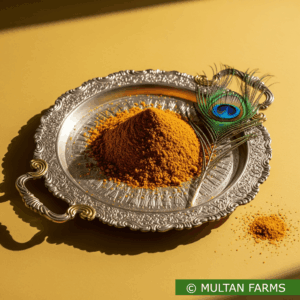
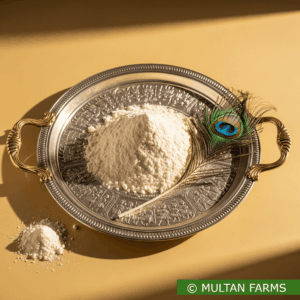
If you’re looking for the gold standard of mud face masks, look no further than Multani mitti. Named after the city of Multan in Pakistan, this pale-colored clay has been used for centuries across South Asia and the Middle East for both skincare and hair care. It’s especially rich in minerals like magnesium, quartz, calcite, and dolomite, which is why it outperforms many modern synthetic alternatives. Multani mitti is particularly well known for its oil-absorbing power. It can soak up excess sebum more aggressively than most other clays, making it ideal for oily and acne-prone skin. Applied as a paste with rose water, raw milk, or even plain water, it dries on the skin and lifts out debris as it hardens, leaving your pores visibly cleaner after a single use.
What Types of Skin Benefit Most?
One of the great things about mud face masks is that they aren’t a one-size-fits-all product. Different clays suit different skin types, and knowing your skin helps you pick the right mask. Oily or acne-prone skin responds exceptionally well to Multani mitti and bentonite clay, both of which absorb oil aggressively and can calm inflamed breakouts. Dry or sensitive skin does better with softer clays like kaolin, which cleanse gently without stripping away natural moisture. Combination skin, which is oily in the T-zone and drier on the cheeks, can benefit from masks that blend two or more clay types together. If you’re new to mud masks, the safest approach is to start with a gentle clay, apply the mask only once a week, and see how your skin responds before increasing frequency.
How to Apply a Mud Face Mask the Right Way
Getting the most out of a mud face mask comes down to a few simple steps. Here’s a quick breakdown of the process:
- Start with a clean face. Wash off makeup, sunscreen, and any surface-level dirt before applying the mask.
- Mix the mask to the right consistency. If you’re using a powder like Multani mitti, blend it with rose water or plain water until it forms a smooth, spreadable paste, not too thick and not too runny.
- Apply an even layer across your face, avoiding the area directly around your eyes and lips, which are more sensitive.
- Leave the mask on for 10 to 15 minutes. If your skin is dry or sensitive, rinse it off before it fully dries.
- Rinse thoroughly with lukewarm water and pat your face dry with a clean towel.
Following up with a light moisturizer is a smart move, especially after a deep-cleansing mask, because clay can pull moisture along with impurities if left on too long.
What Results Can You Actually Expect?
After one use, most people notice skin that feels smoother, looks less oily, and has a certain freshness to it. With consistent weekly use, the longer-term benefits start to show: reduced blackheads, a more even skin tone, and a noticeable reduction in the size of enlarged pores. Mud face masks also have a gentle exfoliating effect, because as the clay dries and you rinse it off, it sloughs away the outermost layer of dead skin cells. This is part of why your skin looks brighter after a mask, like you’ve just hit a reset button on your complexion.
Nature’s Oldest Skincare Secret Is Still Working
A mud face mask is one of those rare beauty treatments that’s both deeply rooted in tradition and strongly backed by science. Whether you reach for Multani mitti from the soils of Multan or a blended clay formula, the underlying principle stays the same: let the earth do the heavy lifting for your skin. If you want to explore natural, authentic Multani mitti and other skincare products that carry centuries of heritage and real mineral value, visit Multanfarms.com and see what Pakistan’s agricultural heartland has to offer your skincare routine.