Picture this: you’re walking through the bustling bazaars of Multan on a cool winter evening, and the air is thick with the warm scent of sugar, ghee, and something almost magical. Everywhere you look, shop windows are stacked high with golden, glistening slabs of the most iconic sweet Pakistan has ever produced. That sweet is sohan halwa, and if you’ve never tried it, you’re missing one of the greatest culinary experiences this country has to offer. Multan has always been a city of legends. Known as the City of Saints, Multan carries centuries of history in its soil, its culture, and its food. Among everything this ancient city has gifted Pakistan, sohan halwa stands as the most celebrated. It’s not just a dessert. It’s a story, a tradition, and a pride that Multanis carry wherever they go. In this article, you’ll discover what makes sohan halwa so special, how it’s made, why Multan is its true home, and what to look for when buying the real thing.
What Exactly Is Sohan Halwa?
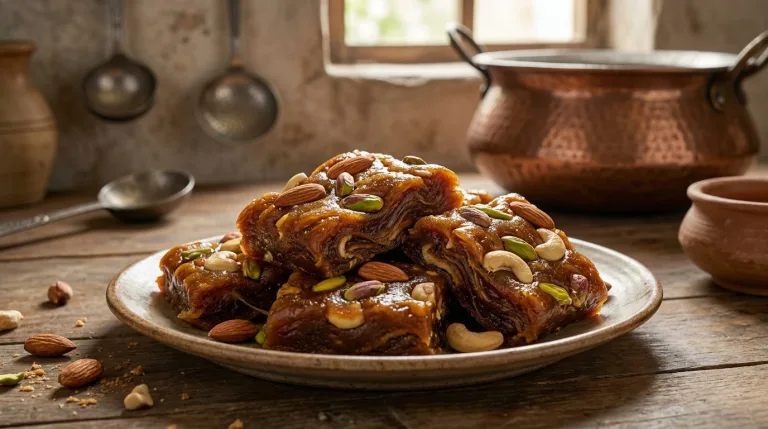
Sohan halwa is a dense, rich, and deeply satisfying traditional sweet made primarily from wheat starch, ghee, sugar, and milk. Unlike the soft, melt-in-your-mouth halwa you might know from everyday cooking, sohan halwa has a firm yet slightly chewy texture that makes it completely unique. It’s usually topped with pistachios, almonds, and sometimes saffron, giving it a royal appearance to match its legendary reputation. The name “sohan” is believed to come from a Persian word meaning “gift,” and that’s exactly what it feels like when someone hands you a beautifully wrapped box of this sweet. Whether it’s Eid, a wedding, or a simple visit to a friend’s home, sohan halwa has always been the gift that says “I came from Multan.”
The History Behind the Sweetness
Sohan halwa has been part of Multan’s culture for hundreds of years. Some historians trace its origins back to the Mughal era, when Persian and Central Asian culinary traditions blended with the rich agricultural heritage of Punjab. Multan, sitting at the crossroads of ancient trade routes, naturally became a place where flavours met and evolved. Over generations, Multani halwa makers, known as halwais, perfected their recipes and guarded them closely. Families passed their methods from father to son, ensuring each batch stayed true to the original formula. Today, certain family-run shops in Multan have been making sohan halwa for five or six generations, with recipes unchanged. This deep history is exactly why sohan halwa from Multan carries a reputation no other city can match. You can find versions in Lahore, Karachi, or even abroad, but locals will always tell you the original is in a league of its own.
What Goes Into Making It?
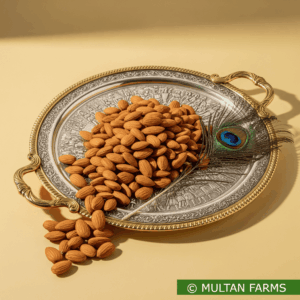
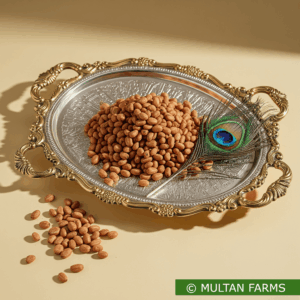
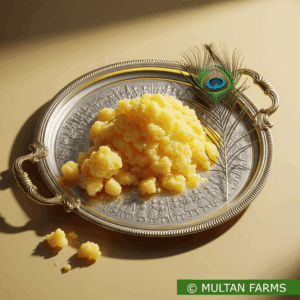
The magic of sohan halwa lies in its ingredients and the time it takes to make it properly. The core ingredients are simple: wheat starch separated from soaked wheat, full-fat milk, pure desi ghee, and white sugar. Dry fruits like pistachios, almonds, and cashews are added toward the end, giving each piece that beautiful, crunchy finish. What separates a great sohan halwa from an ordinary one is the cooking process. The mixture must be stirred continuously over a slow flame for several hours, because the moment you rush it or stop stirring, the texture suffers. Skilled halwais develop an almost instinctive sense for when the mixture is ready to be spread onto large flat trays to cool and set. Some makers add saffron or kewra water for fragrance, while others keep the flavour pure and straightforward. Both approaches produce something extraordinary when done right.
Why Is Multani Sohan Halwa Different?
You might wonder what makes Multan’s version stand out. After all, sweets are made across Pakistan. The answer lies in three things: ingredients, technique, and tradition. First, Multan’s agricultural region produces excellent quality wheat, and the starch extracted from local wheat has a slightly different character than what you’d find elsewhere. Multan’s deep groundwater is also said to contribute subtly to the flavour. These small differences add up. Second, Multan’s technique has been refined over centuries. Multani halwais know exactly when the mixture reaches the right consistency, how thick to spread it on the trays, and how long to let it rest before cutting. This knowledge isn’t written in any recipe book. It lives in the hands and eyes of the people making it. Third, the tradition itself is part of the product. When you buy sohan halwa from a famous Multani shop, you’re buying generations of dedication. That pride shows in every single batch.
How to Spot Real Sohan Halwa
Since sohan halwa is so famous, there are plenty of imitations in the market. Here’s how to know if you’re getting the genuine article:
- Colour: Authentic sohan halwa has a warm golden-brown to amber colour. Avoid anything that looks too pale or artificially bright.
- Texture: It should be firm but not rock hard. When you bite into it, it should give slightly and then hold its structure.
- Ghee content: Real sohan halwa uses generous amounts of pure desi ghee. If it feels dry or doesn’t have that rich, slightly buttery finish, it’s likely been made with cheaper fats.
- Dry fruits: Genuine Multani sohan halwa is never stingy with pistachios and almonds. These aren’t just decoration. They’re part of the experience.
- Source: Always buy from trusted names. Brands and shops with long histories and strong reputations rarely compromise on quality.
Sohan Halwa as a Gift and a Symbol
In Pakistani culture, food is love. And sohan halwa from Multan might be the most expressive way to say it. When someone travels from Multan to visit family in another city, a box of sohan halwa is almost always in their luggage. It’s the sweet that represents home. During Eid, sohan halwa boxes are exchanged alongside sewaiyan and mithai. At weddings, it appears on dessert tables alongside gulab jamun and barfi. Even in corporate settings, companies gift boxes of sohan halwa to partners and clients, because it communicates quality and heritage in a single bite. Multan’s love for this sweet has also found its way abroad. Pakistani communities in the UK, the UAE, and North America eagerly seek out sohan halwa from trusted brands, because it carries a taste of home that no substitute can replace.
Bringing Multan’s Sweetness to Your Table
Whether you’re discovering sohan halwa for the first time or you’ve grown up eating it your whole life, there’s always something new to appreciate in every bite. The hours of careful cooking, the centuries of tradition, and honest ingredients all come together in something that tastes far greater than the sum of its parts. Multan has gifted Pakistan many things: its saints, its mango orchards, its Multani mitti, and its timeless sohan halwa. This sweet isn’t just a treat for your taste buds. It’s a connection to a place, a people, and a way of life that has stayed beautiful for generations. Ready to experience the real thing? Visit Multanfarms.com to explore authentic Multani food products rooted in the heart of Pakistan’s most storied city.