Pakistan grows some of the finest mangoes in the world, and Multan sits right at the heart of that story. Varieties like Chaunsa, Anwar Ratol, and Langra have made this region famous across the globe. But behind every perfectly sweet, perfectly ripened mango is one thing most people never think about: water.
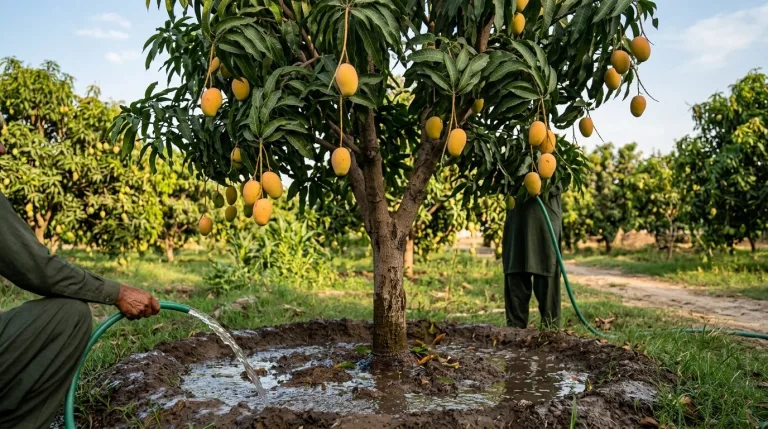
Mango irrigation is the practice of delivering the right amount of water to mango trees at the right time. Get it right, and you’re rewarded with full, flavourful fruit and a tree that produces year after year. Get it wrong, and you risk everything from root rot to premature fruit drop. If you grow mangoes or you’re curious about how they’re farmed, understanding irrigation is one of the most valuable things you can know.
Why Mango Trees Are Particular About Water
Mango trees are tougher than they look. A mature tree can survive dry spells that would kill most other fruit trees. But surviving and thriving are two very different things. When it comes to producing high-quality fruit, mango trees are quite specific about how much water they need and when they need it.
The mango tree goes through several distinct growth stages across the year, and each stage has different water requirements. During flowering, too much water can prevent the tree from blooming properly. During fruit development, consistent moisture is essential. And just before harvest, reducing water actually improves the sweetness and shelf life of the fruit. Understanding these stages is the foundation of good mango irrigation.
The Biggest Irrigation Mistake Mango Farmers Make
Overwatering is the single most damaging irrigation mistake in mango farming. It’s an easy error to make, because the logic seems sound: more water means more growth, right? In reality, mango trees that receive too much water develop shallow root systems, become vulnerable to fungal diseases, and often produce fruit that’s watery and bland.
Waterlogging, the condition where soil stays saturated for extended periods, is particularly harmful. It cuts off oxygen to the roots, essentially suffocating the tree from below. Good drainage is therefore just as important as the water itself. A well-drained loamy or sandy loam soil, combined with controlled irrigation, gives mango roots the balance of moisture and air they need to stay healthy.
Seasonal Irrigation: When to Water and When to Stop
Mango farming in Pakistan follows the rhythm of the seasons, and irrigation schedules must match that rhythm. During the winter months, from November through February, mango trees enter a rest period. Irrigation during this time should be minimal or stopped completely, because this dormancy is essential for triggering a strong flowering response in spring.
As temperatures rise in February and March, the tree begins to flower. Light irrigation can support early growth during this phase, but heavy watering should be avoided. Once fruits begin to set, typically from April onward, regular and consistent irrigation becomes critical. The general recommendation for mature mango orchards in the Multan region is irrigation every 10 to 15 days during the fruit development phase, adjusted based on rainfall and soil type.
Drip Irrigation: The Smarter Way to Water Mangoes
Traditional flood irrigation, where water is channelled across the orchard floor, has been used in Pakistan for generations. It’s simple and familiar, but it’s also highly inefficient. A large portion of the water evaporates, runs off, or soaks into areas where roots simply can’t reach it.
Drip irrigation is a method that delivers water directly to the root zone of each tree through a network of pipes and emitters. It uses up to 50 percent less water than flood irrigation while actually improving fruit quality and yield. Drip systems also allow farmers to dissolve and deliver nutrients directly through the water, a technique called fertigation, which combines fertilising and irrigating in a single efficient step. For mango orchards in South Punjab, switching to drip systems is one of the most impactful upgrades a farmer can make.
How Soil Type Affects Your Irrigation Schedule
Not all soils hold water the same way, and this has a direct impact on how often you need to irrigate. Sandy soils drain quickly and dry out fast, meaning mango trees planted in them will need more frequent watering. Clay soils hold moisture much longer, which reduces irrigation frequency but increases the risk of waterlogging if drainage is poor.
The ideal soil for mango cultivation is loamy, a balanced mix of sand, silt, and clay that retains moisture without becoming saturated. Farmers working with heavier soils can improve drainage by adding organic matter, raising planting beds, or installing subsurface drainage channels. Knowing your soil type is not optional. It’s the starting point for building any sensible irrigation plan.
Signs That Your Mango Tree Needs Water
Reading the signals your mango tree sends is a skill that experienced farmers develop over time. A tree getting too little water will show it through wilting leaves, leaf curling at the edges, and a general loss of vigour. Fruit may shrivel, drop early, or fail to reach full size.
Too much water produces its own set of warning signs. Yellowing leaves, particularly in the lower canopy, are often the first clue. Soft or darkened areas at the base of the trunk, mushy soil that stays wet long after irrigation, and a sudden spike in fungal disease are all signs of overwatering or poor drainage. Catching these early and adjusting your schedule can save a season’s entire crop.
Water Wisely, Harvest Abundantly
Mango irrigation is less about flooding your orchard with water and more about delivering the right amount at exactly the right time. The trees that produce the finest fruit, the ones with deep colour, intense sweetness, and long shelf life, are almost always trees grown under disciplined, well-timed irrigation.
Whether you manage a large mango orchard or a few trees in your garden, the principles are the same. Respect the tree’s seasonal cycles, avoid overwatering, know your soil, and consider modern methods like drip irrigation that stretch every litre of water further. For more guidance on mango farming, agricultural best practices, and quality farm produce from the heart of Multan, visit Multanfarms.com.