Think about the last cup of ginger tea you had on a cold morning. That sharp, warming kick that cleared your head and soothed your throat? It all started with a small, knobbly rhizome buried in the ground months before. Adrak, or ginger as it’s known internationally, is one of the most beloved spices in Pakistani kitchens, and understanding when and how it grows can change the way you think about everything from your chai to your cooking.
Pakistan both produces and imports adrak in significant quantities. Local cultivation happens across KPK and parts of Punjab, yet most households barely know what the plant looks like before it reaches the sabzi mandi. Getting familiar with the adrak growing season means you get to understand one of nature’s most useful plants from the ground up, literally.
What Exactly Is Adrak?
Before getting into when adrak grows, it helps to know what part of the plant you’re actually eating. The adrak we grate, slice, and add to our daals and curries is not a root, though it looks like one. It’s a rhizome, which is an underground stem that stores nutrients and energy for the plant. Think of it like a storage warehouse built underground while the leafy green stems grow tall above the soil.
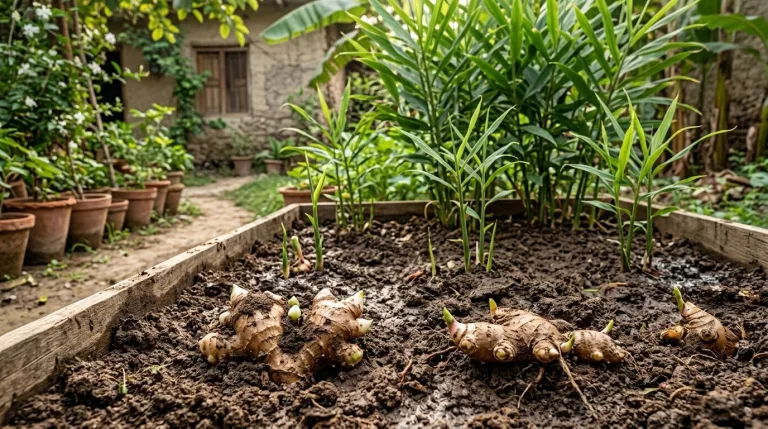
The ginger plant itself looks nothing like what you see in the market. It grows as tall, narrow, reed-like stems with long, lance-shaped leaves. When the plant is happy and healthy, it can reach 60 to 90 centimeters in height. The real treasure, though, is always hidden beneath the surface.
When Is the Adrak Growing Season in Pakistan?
Adrak is a warm-weather crop and does not tolerate frost at any stage of its life. In Pakistan, the ideal planting window runs from mid-February through April, once the winter chill has fully lifted and the soil has warmed up. Farmers in KPK, especially in and around the Swat valley where most domestic production happens, target this window carefully to give the rhizomes the longest possible warm period before the harvest.
From planting to harvest, adrak takes roughly 8 to 10 months. That means crops planted in March reach maturity sometime between November and January. The leaves and stems begin to yellow and die back naturally during this period, which is actually a signal that the rhizomes underground have finished developing and are ready to be dug up. Patience is the most important ingredient in growing adrak well.
What Does Adrak Need to Grow?
Adrak is not a particularly fussy plant, but it does have clear preferences. Getting these conditions right makes the difference between a heavy, fragrant harvest and a disappointing one.
Temperature and Sunlight
Adrak loves warmth but dislikes direct, harsh sun for the entire day. Temperatures between 20 and 30 degrees Celsius are ideal. In practice, this means partially shaded spots, either under taller crops or with a shade net, produce better results than fully exposed ground. The Multan climate can get intense in peak summer, so shade becomes especially important during June and July.
Soil Quality
Well-drained, loamy soil with plenty of organic matter is the gold standard for adrak. The rhizomes need moisture to develop but will rot quickly if water sits around them for too long. Sandy-loam soils that allow water to move through freely while still holding some nutrients are perfect. Mixing compost into the bed before planting gives the crop a strong start.
Watering
Regular, consistent watering keeps the soil moist without making it waterlogged. During the active growing months of April through October, the plant needs frequent irrigation, especially during dry spells. Reducing water as the leaves start yellowing in autumn helps the rhizomes dry out slightly before harvest, which improves their shelf life after digging.
Mulching
Spreading a layer of dry leaves, straw, or grass clippings over the soil around the plants works wonders. Mulching keeps moisture in the ground, regulates soil temperature, and slows down weed growth. Farmers who mulch their adrak beds consistently report better yields with less effort.
How Is Adrak Actually Planted?
Adrak is not grown from seeds. Instead, small sections of mature rhizome, each with at least one visible growth bud or “eye,” are used as seed pieces. This is the same principle as growing potatoes from cut pieces, where the bud on each piece sprouts into a new plant.
Each piece should be around 25 to 50 grams for best results. Before planting, many experienced farmers treat the seed pieces by soaking them briefly in a diluted fungicide solution or ash water to protect against early fungal infections. The pieces are planted about 5 to 8 centimeters deep, with the bud facing upward, spaced roughly 20 to 25 centimeters apart. Within two to three weeks, green shoots begin pushing through the soil.
What Happens at Harvest Time?
Harvesting adrak is a satisfying process once you know what to look for. As mentioned earlier, the yellowing of the aerial stems is the clearest sign that the rhizomes below are ready. Farmers use a small spade or fork to loosen the soil gently around the base of the plant before lifting the entire root mass out carefully.
Freshly harvested hari adrak (green ginger) is the first stage, with a milder, juicier flavor that’s popular in pickles and fresh salads. If the rhizomes are left to dry in a shaded, airy spot for several weeks, the outer skin toughens and the flavor becomes more concentrated and pungent. This is the dried adrak sold in most markets year-round.
Why Understanding the Adrak Season Matters
Knowing when adrak is in season helps you make smarter choices, whether you’re buying from a local market or growing a small patch in your kitchen garden. Fresh, in-season adrak is more aromatic, more potent, and more nutritious than the dried or imported variety that sits on shelves for months.
Getting closer to how your food is actually grown gives you better food on your table, and a deeper appreciation for the farmers who make it happen every season. If you’re curious about other seasonal crops, traditional Pakistani produce, or tips for home and kitchen gardening, explore more at Multanfarms.com.