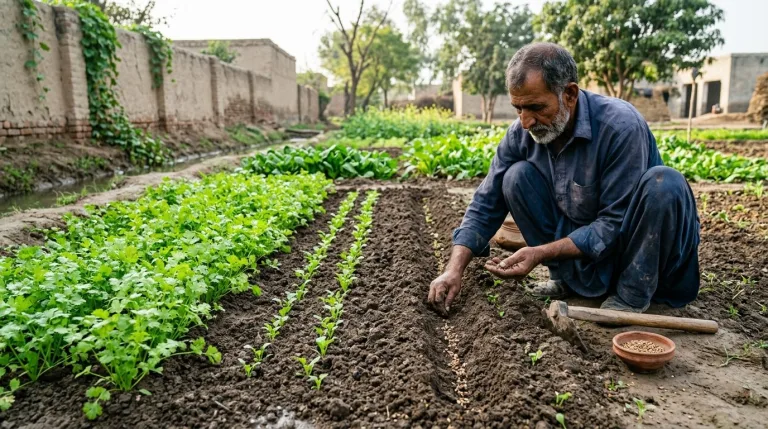
Walk into any Pakistani kitchen and you’ll find fresh coriander somewhere. It’s scattered over daal, tucked into chutney, stirred into karahi, and piled on top of nearly every dish that matters. But here’s something most home cooks and even keen gardeners don’t know: coriander is one of the most season-sensitive herbs you can grow, and planting it at the wrong time is the number one reason it fails.
If you’ve ever sown coriander seeds only to watch the plant shoot straight up, flower, and die before you got a single handful of leaves, timing was almost certainly the problem. The good news is that once you understand what this herb actually needs, it becomes one of the easiest things to grow. This article covers the best season to grow coriander in Pakistan, what the plant needs to thrive, and how to get consistent harvests from your kitchen garden or farm plot.
Why Coriander Hates the Heat
Coriander, known locally as dhaniya, is a cool-season herb through and through. It thrives when temperatures sit between 17°C and 27°C, which makes it very well suited to Pakistan’s winter months. The moment temperatures climb above 30°C, coriander begins a process called bolting, which is when a plant skips past the leaf-growing stage and rushes to flower and produce seeds instead.
Bolting sounds dramatic, but it’s simply the plant’s survival response to heat and stress. When coriander bolts, the leaves become sparse and bitter, the stems grow tall and thin, and the plant focuses all its energy on reproduction rather than the lush, aromatic foliage you actually want. Hot weather doesn’t kill coriander immediately, but it makes the plant essentially useless from a culinary standpoint within days.
This is why so many home growers in Multan and other parts of South Punjab struggle with coriander in summer. The plant isn’t weak or poorly grown; it’s simply being asked to live in conditions it was never designed for.
The Best Season to Grow Coriander in Pakistan
The ideal time to sow coriander in Pakistan is from October through February, which aligns with the Rabi season, the cool winter cropping cycle. During these months, temperatures across Punjab drop to the comfortable range coriander prefers, daylight hours shorten, and there’s enough moisture in the air to support steady leaf growth without excessive watering.
October and November sowings are particularly productive. The soil is still warm enough from the summer to support quick germination, but the ambient temperature has cooled enough to prevent bolting. You can expect seeds to sprout within 7 to 14 days, and within four to six weeks you’ll have harvestable leaves.
A second sowing window opens in late February to early March, but this one requires timing discipline. As March progresses into April, temperatures in central Punjab and South Punjab rise quickly, and any coriander still in the ground will bolt fast. If you’re sowing in February, do it early and plan to harvest within five to six weeks.
What About September? A Bonus Planting Window
Here’s a tip that experienced Pakistani farmers and kitchen gardeners know well: late September is actually an excellent secondary window for coriander. The brutal summer heat begins to ease by mid-September in most parts of Punjab, and sowing in the last week of September or the first week of October gives you a head start on the main Rabi growing cycle.
The logic is simple. Coriander takes about a week to germinate, and if temperatures are already cooperating, you gain several extra weeks of productive leaf growth before deep winter arrives. In areas like Multan, where winters cool significantly in December and January, an early October sowing can deliver two full rounds of harvest before the season ends.
The Seasons to Avoid Completely
If October to February is the golden window, then May through August is the one to avoid entirely. Summer in South Punjab is not coriander country. Temperatures regularly exceed 40°C across the region, and even with daily watering and shade cloth, coriander will bolt within a week of germination.
Some gardeners try to work around this by growing coriander in shaded spots or using plastic net covers to reduce heat exposure. While this can extend the harvest window slightly, it rarely produces the thick, fragrant foliage that a proper winter crop delivers. The time and water spent trying to grow coriander in summer is almost always better directed toward heat-loving herbs like basil or mint.
How to Give Your Coriander the Best Start
Timing is the biggest factor, but a few other practices make a real difference in how your coriander performs.
- Split the seeds before sowing. Coriander “seeds” are actually dried fruits containing two seeds each. Gently crushing them between your palms before sowing improves germination rates significantly.
- Sow directly into the ground or pot. Coriander has a long taproot and does not respond well to transplanting. Always sow where you intend to grow.
- Use well-drained soil. Waterlogged roots lead quickly to yellowing leaves and root rot. Raised beds and loose, loamy soil work best.
- Water consistently but lightly. Keep the soil moist, not wet. In winter, watering every two to three days is usually sufficient.
- Harvest outer leaves first. Taking the outer leaves and letting the center continue to grow will extend your harvest window by several weeks.
Coriander Is More Than Just a Leaf Herb
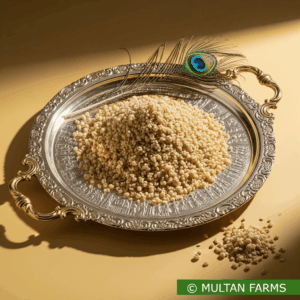
One of the most underappreciated things about coriander is that it gives you two completely different harvests. The leaf stage is what most cooks want, and the cool winter season is when you get the best out of it. But if you let some plants bolt and mature fully, you’ll end up with coriander seeds, which are themselves a widely used spice in Pakistani cooking, appearing in everything from biryani masala to achaar.
This means a single planting started in October can give you fresh leaves through December, and seeds by February or March if you leave a portion of the plants to flower. It’s one of the most efficient herbs you can grow in a Pakistani kitchen garden, and it costs almost nothing to get started.
Growing coriander at the right time isn’t complicated. Plant in the cool months, give it good drainage and consistent water, and you’ll have more dhaniya than your kitchen can use.
Explore more home farming guides and authentic Pakistani agricultural content at Multanfarms.com.