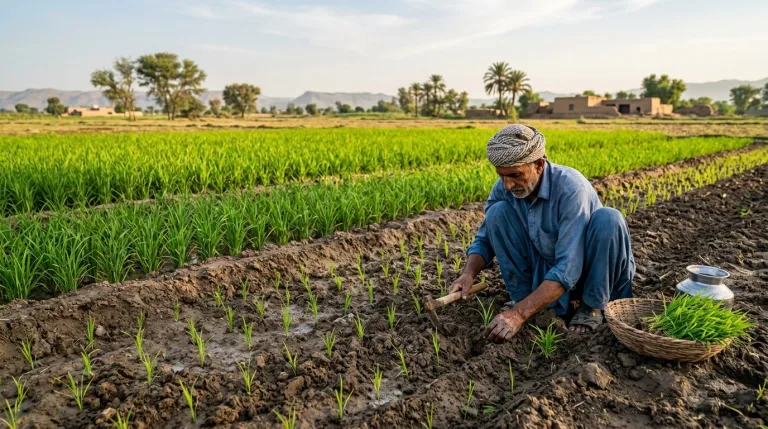
Imagine planting a mango sapling in dry, cracked soil in the middle of June with no rain coming for weeks. Now imagine planting that same sapling just before the monsoon arrives, in well-prepared soil with consistent natural moisture. Which tree do you think will thrive? The answer is obvious, but the lesson runs deeper than just picking the right month. Plantation timing is one of the most important decisions a farmer or home gardener can make, and getting it right is the difference between a healthy harvest and wasted effort.
Farmers across Pakistan have understood this for generations. Experienced growers in the plains of South Punjab know that the land has its own rhythm, and working with that rhythm, rather than against it, produces crops and trees that grow stronger, yield more, and resist disease far better. Whether you’re tending a few pots on a rooftop or managing several acres of farmland, understanding the best time for plantation will completely change your results.
In this article, we’ll walk through Pakistan’s crop seasons, explain the best planting windows for common vegetables and fruit trees, and cover the key factors that should guide every plantation decision you make.
Why Plantation Timing Matters More Than You Think
Plants respond directly to soil temperature, sunlight hours, moisture levels, and frost risk. Plant too early in the season and cold soil will slow germination or kill seedlings outright. Plant too late and the crop won’t have enough time to mature before conditions turn against it.
Think of it like baking bread. You can use all the right ingredients, but if you put the dough in the oven before it’s properly proofed, the result is disappointing. Timing isn’t just a detail, it’s a core part of the process. Getting your timing right also means your plants go into the ground when natural resources are working in your favor. Rain, moderate temperatures, and longer days all support healthy root development, and when you plant in the right window, you rely less on irrigation and fertilizer, saving both money and effort.
Understanding Pakistan’s Two Main Crop Seasons
Pakistan’s agricultural calendar revolves around two primary seasons, each with its own planting window and crop list.
The first is the Kharif season, running from April to October. Kharif crops are sown in summer and harvested in fall. The best planting window is April to June, when temperatures rise and the monsoon approaches. Common Kharif crops include cotton, rice, maize, sugarcane, and mung bean. South Punjab, especially the Multan region, is one of Pakistan’s most important Kharif zones, with cotton dominating the landscape.
The second is the Rabi season, running from October to April. These crops are sown in winter and harvested before the summer heat arrives. The prime planting window is October to December. Wheat, the backbone of Pakistan’s food supply, is the most important Rabi crop, alongside mustard, chickpea, lentil, and barley. For wheat specifically, aim to have it in the ground by mid-November for the strongest results.
The Best Time to Plant Vegetables in Pakistan
Winter vegetables like spinach, peas, carrots, cauliflower, and turnip do best when planted between September and November. These crops prefer cooler soil and shorter days, and they’ll be ready for harvest between January and March, giving you fresh produce right through the coldest months.
Summer vegetables like tomatoes, chillies, bottle gourd, and bitter gourd belong to the Kharif window. Plant them between February and April, once frost risk has passed and the soil has started to warm up. In Multan and southern Punjab, where summers arrive earlier and more intensely, choose heat-tolerant varieties and ensure consistent watering from the start.
One common mistake is planting warm-season vegetables too late. A tomato plant going into the ground in July in Multan is already fighting against peak heat instead of growing in optimal conditions. Timing your planting correctly means your plants thrive with less struggle.
When to Plant Fruit Trees for Maximum Yield
Fruit trees require more planning than seasonal crops because you’re making a long-term investment. A mango tree takes three to five years before producing fruit, so giving it the best possible start matters enormously.
For mango trees, the ideal planting windows are February to March and June to July, just before or during the monsoon. The monsoon window is especially popular because natural rainfall reduces irrigation needs during the critical early establishment phase. Multan’s famous Chaunsa and Sindhri varieties thrive when grafted saplings are placed in well-drained, fertile soil during this period.
Citrus trees, including kinnow, lemon, and mandarin, are best planted in February or from July to August. Avoid the peak summer months of May and June, as heat stress on young citrus plants causes significant setbacks.
Guava is one of the more forgiving fruit trees, with planting possible in both spring (February to March) and monsoon season (July to August). It’s a strong performer across much of Pakistan and responds well to timely planting followed by regular watering.
Key Factors That Determine the Right Time to Plant
Beyond the calendar, experienced farmers look at actual field conditions before planting:
- Soil temperature: Most vegetable seeds germinate best between 18°C and 30°C. A basic soil thermometer tells you exactly where you stand.
- Moisture level: Planting into dry or waterlogged soil both lead to poor results. Ideal soil feels moist but not wet when you squeeze a handful.
- Frost risk: In northern Pakistan and high-altitude areas, never transplant frost-sensitive seedlings before the last frost date has passed.
- Monsoon timing: In rain-fed areas, planting just before the monsoon takes full advantage of natural irrigation during the most critical early growth phase.
- Variety selection: Some crop varieties are bred for early sowing, others for mid-season. Always match the variety to your planting window.
How to Tell When Your Soil Is Ready
Before you put any seed or sapling in the ground, spend a few minutes reading your land. Walk the field after light rain and check how quickly water drains. If it sits on the surface for more than a few minutes, drainage needs attention before planting begins.
Check for soil compaction by pushing a finger or pencil about five centimetres into the ground. If it meets hard resistance quickly, the soil needs aeration or organic matter added before it’ll support healthy root growth. Well-prepared, loose, slightly moist soil is what you’re aiming for every single time.
Getting Your Timing Right Is the First Step to a Better Harvest
Plantation timing doesn’t need to be complicated, but it does require attention and planning. When you align your planting with the right season, the right soil conditions, and the right variety, everything downstream becomes easier. Your plants establish faster, need less intervention, and reward you with a stronger yield.
Whether you’re managing a large farm in South Punjab or growing vegetables at home, the principles are the same. Respect the seasons, prepare your soil, and give your plants the best possible start.
For more practical farming guidance, seasonal crop tips, and agricultural content rooted in Pakistan’s traditions, visit Multanfarms.com.