Have you ever seen someone at home dabbing a thick, creamy paste on their face and wondered what’s in it? Chances are, it’s multani mitti mixed with something simple from the kitchen. And one of the most popular partners for this earthy powder is a glass of plain old milk.
So, can you mix multani mitti with milk? Yes, you can, and lots of families in Pakistan and India have done it for generations. In this article, you’ll learn what multani mitti is, why milk makes such a good match, how to mix them the right way, and what to watch out for before you try it.
What Exactly Is Multani Mitti?
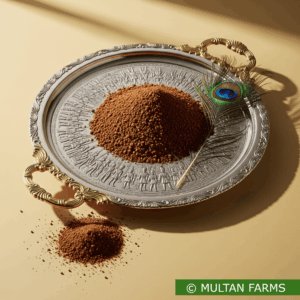
Multani mitti means “clay from Multan.” It’s a soft, natural clay that comes from the earth in and around the city of Multan in South Punjab. You may also hear it called Fuller’s earth, which is its English name.
Here’s why it’s special. This clay is very good at soaking up oil and dirt, a bit like a sponge that drinks up a spill on the kitchen table. That’s why people have used it for a very long time as a face pack, especially in hot weather when skin feels sticky and oily.
Why Mix It with Milk?
On its own, multani mitti can feel a little strong. Since it pulls oil out of your skin, it can leave your face feeling tight and dry. Milk helps balance that out.
Milk contains natural fats and a gentle ingredient called lactic acid. That’s a mild acid that helps loosen dead skin cells, so your skin can feel smoother. Think of it like this: multani mitti is the scrubber, and milk is the soft towel that follows behind it.
Did you know? People have used milk for skin care for thousands of years. Stories say that famous queens in ancient times even bathed in it!
How to Mix Multani Mitti with Milk
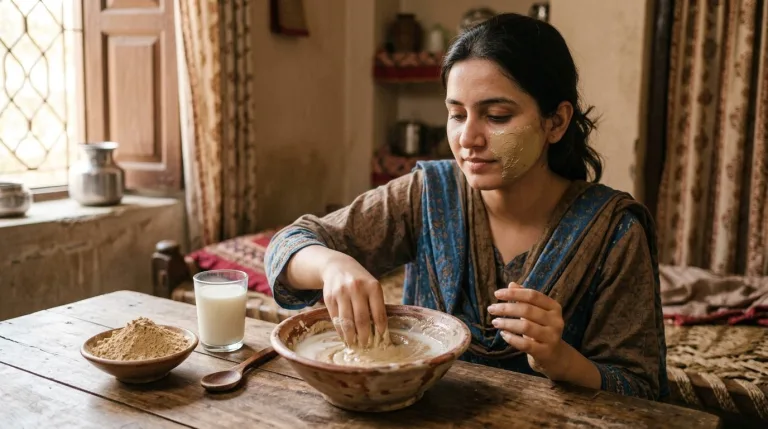
The mix is super simple, and you only need two things. Here’s an easy way to do it:
- Take 1 tablespoon of multani mitti powder in a clean bowl.
- Add 2 to 3 tablespoons of milk, a little at a time.
- Stir until you get a smooth paste, not too runny and not too thick. It should feel like yogurt.
- Spread a thin layer on your clean face, staying away from your eyes and lips.
- Let it sit for 10 to 15 minutes, then rinse with cool or lukewarm water.
Use fresh, plain milk, either cold or at room temperature. Always mix it right before you use it, because a milk paste doesn’t stay fresh for long. Leftover paste can go bad, just like a glass of milk left out on the counter.
Which Milk Works Best?
Not all milk is the same, and your skin type can help you choose.
- Whole milk is creamy and works well for dry or normal skin.
- Low-fat or skim milk is lighter and suits oily skin better.
- Raw milk is used in many homes, but it’s safest to use milk you know is clean and fresh.
It’s a little like choosing a moisturizer. A thick one feels great on dry skin, while an oily face usually prefers something lighter.
Things to Watch Out For
Even natural things can bother some people, so a little care goes a long way.
- Do a patch test first. Dab a tiny bit of the paste on your inner arm or behind your ear, and wait a day. If you see redness, itching, or bumps, don’t use it on your face.
- Don’t let it dry completely. If the mask turns stiff and cracked, your skin may feel tight. Rinse it off while it’s still slightly damp.
- Don’t use it every day. Once or twice a week is plenty, since too much clay can dry out your skin.
- Skip it if you have a milk allergy or very sensitive skin, or ask a parent or doctor first.
It’s a lot like sunscreen or a new soap. Even good things work best when you use them the right way.
What Results Can You Expect?
Be realistic, because a face pack isn’t magic. After a mask like this, your skin may feel cleaner, softer, and a little fresher. It won’t change your skin overnight or fix every problem, and it can’t replace basics like washing your face gently and drinking enough water.
Think of it as a small, relaxing treat, like a quick reset button for a sweaty summer day.
Wrapping It Up
So, can you mix multani mitti with milk? Absolutely. The clay soaks up extra oil and dirt, while the milk softens and balances things out. Mix about one tablespoon of powder with a few tablespoons of milk, leave it on for 10 to 15 minutes, and rinse it off. Just remember to do a patch test, and keep it to once or twice a week.
Next time you spot that little bag of multani mitti in the kitchen or at a shop, you’ll know the story behind it, from the soil of Multan to a simple, cooling face pack. Now here’s a question to think about: what other everyday things from your kitchen have been helping people take care of their skin for hundreds of years?