Have you ever been to an aquarium and watched those colorful fish swimming around in their tanks? Or maybe you’ve enjoyed a delicious fish dinner at your favorite restaurant? Well, here’s something cool: someone actually raised those fish on purpose, and they probably made money doing it! Fish farming, also called aquaculture, is becoming one of the fastest-growing food industries in the world. But here’s the big question everyone wants to know: can you actually make a profit from raising fish?
The answer might surprise you. Fish farming can be super profitable, but it’s not as simple as throwing some fish in a pond and waiting for money to roll in. Just like running a lemonade stand or starting a YouTube channel, you need to understand the business side of things. You’ve got to think about costs, prices, and what makes your fish farm successful. Let’s dive into the world of fish farming profits and discover what it really takes to make money in this fascinating business!
What Makes Fish Farming Different from Regular Farming?
When most people think of farming, they picture fields of corn or cows grazing in pastures. Fish farming is actually pretty different! Instead of soil and sunshine, you’re working with water and careful feeding schedules. Think of it like this: if regular farming is like baking cookies (you plant seeds, water them, and harvest), fish farming is more like running a restaurant kitchen. You need to monitor everything constantly, keep the environment just right, and make sure your “customers” (the fish) are happy and healthy.
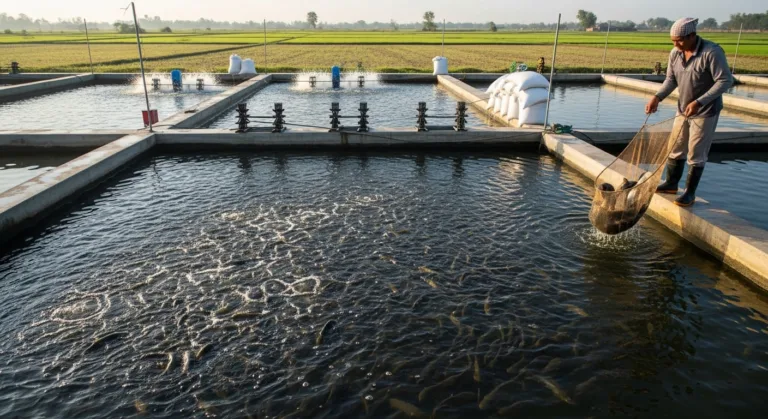
The cool thing about fish farming is that you can do it almost anywhere. You don’t need huge fields like traditional farmers do. Some fish farms operate in small ponds, others use big tanks, and some even use indoor systems that look like science labs! At Multanfarms.com, we’ve seen farmers succeed with all different types of setups.
How Much Money Can You Actually Make?
Okay, let’s get to the part you’re really curious about: the money! The profit from fish farming depends on several things, but here’s what you need to understand. Imagine you’re selling homemade bracelets. Your profit is what you make after subtracting the cost of beads, string, and your time. Fish farming works the same way.
Most successful fish farmers can make anywhere from $1,000 to $10,000 per acre of pond space each year. That’s a pretty big range, right? Here’s why: it all depends on what type of fish you’re raising. Tilapia is like the reliable friend who’s always there, tilapia grows fast and is easy to sell, but it doesn’t make you rich quick. Catfish is another popular choice that sells well in many markets. But if you want the big bucks, you might look at raising salmon or special ornamental fish for aquariums. These can sell for much higher prices, kind of like how a limited-edition sneaker costs way more than regular shoes!
The secret to good profits isn’t just about choosing expensive fish, though. You need to think about your local market. What do restaurants and stores near you want to buy? What fish do people in your area like to eat?
What Costs Do Fish Farmers Have to Deal With?
Before you start counting your profits, you need to know what you’ll spend money on. Running a fish farm has some interesting costs that regular farmers don’t worry about.
First, there’s the setup cost. You need ponds or tanks, water systems, and equipment. This is like buying all the gaming equipment before you can start streaming, it’s your initial investment. Depending on the size, this could be a few thousand dollars or much more.
Second, you’ve got feeding costs. Fish eat a lot, and good quality fish food isn’t cheap! This is usually your biggest ongoing expense. In fact, feeding your fish can take up 40-60% of your total costs. Imagine if more than half your allowance went just to food, that’s what fish farmers deal with!
Third, there are water and electricity bills. Fish need clean water with the right temperature and oxygen levels. Some farms need pumps, heaters, or aerators running 24/7. That electricity adds up quickly, kind of like leaving all the lights and the TV on in your house all day, every day.
Finally, don’t forget about fish health. Just like you sometimes need to visit the doctor, fish can get sick too. You might need medications, vitamins, or expert help from an aquaculture specialist.
What Fish Should You Raise for the Best Profit?
Choosing the right fish is super important, and it’s not just about picking your favorite! You need to think like a business person. Here are some popular choices and why farmers love them:
Tilapia is the beginner’s best friend. These fish are tough, they can handle different water conditions, grow fast (ready to sell in 6-8 months), and people love eating them. They’re not going to make you super rich, but they’re a reliable choice. Think of tilapia as the steady-earning part-time job of the fish world.
Catfish is another solid option, especially in certain parts of the world. They taste great, grow at a decent speed, and are pretty hardy. Restaurants often want a steady supply of catfish, so you can build regular customers.
Ornamental fish like koi, goldfish, or tropical aquarium fish can be where the real money is! A single high-quality koi can sell for hundreds or even thousands of dollars. But here’s the catch (pun intended!), they’re harder to raise, and you need to know your market really well.
Shrimp and prawns aren’t technically fish, but they’re part of aquaculture and can be super profitable. People love shrimp, and prices stay pretty high. However, they’re a bit trickier to raise successfully.
Smart Strategies to Increase Your Fish Farming Profits
Want to know the tricks that successful fish farmers use? Here are some strategies that can help boost profits:
Sell directly to customers. Instead of selling to a middleman who resells your fish, try selling directly to restaurants, local markets, or even people in your community. It’s like selling your lemonade directly to thirsty people instead of selling it to a store that then sells it to customers. You keep more of the profit!
Raise multiple types of fish. Don’t put all your eggs (or fish!) in one basket. Some farmers raise food fish and ornamental fish together. This way, if one market slows down, you’ve got a backup.
Use smart feeding techniques. Since food is your biggest cost, learning to feed efficiently saves tons of money. Too much food wastes money and pollutes the water. Too little food means slow growth. Finding that perfect balance is key.
Focus on quality, not just quantity. Healthy, good-looking fish sell for higher prices. It’s better to raise fewer fish that are top quality than tons of fish that are just okay.
Is Fish Farming Right for Everyone?
Here’s the honest truth: fish farming can be really profitable, but it’s not easy money. It requires dedication, learning, and hard work. You can’t just set it up and forget about it. Fish need daily attention, water quality needs monitoring, and problems need quick solutions.
However, if you’re willing to learn and put in the effort, fish farming offers some amazing advantages. You can start small and grow bigger as you learn. You don’t need huge amounts of land. And the demand for fish keeps growing as more people around the world want healthy protein in their diets.
At Multanfarms.com, we believe that with the right knowledge and approach, fish farming can be both profitable and rewarding. It’s a chance to produce healthy food, run your own business, and work with nature all at the same time.
Making Your Decision
So, can you really make money raising fish? Absolutely! But like any business, success comes from smart planning, hard work, and continuous learning. The farmers who make good profits are the ones who treat it like a real business, not just a hobby.
Before jumping in, do your research. Talk to other fish farmers, visit some farms if you can, and learn about your local market. Start small, maybe with just one pond or tank, and grow from there as you gain experience.
The world needs more food, and fish farming is one way to provide it while making a profit. Whether you’re thinking about starting a fish farm or just curious about where your food comes from, understanding fish farming profits helps you see how business and nature can work together. Who knows? Maybe one day you’ll be the one supplying fresh, healthy fish to your community while building a successful business. Now that’s something to think about, isn’t it?