Have you ever stood at the edge of a pond and watched fish swimming around, wondering where they all come from? Here’s something that might surprise you: many of the fish we eat don’t come from oceans or wild rivers anymore. They come from fish farms! That’s right, just like farmers grow vegetables and raise chickens, some farmers specialize in raising fish. It’s called aquaculture, and it’s one of the fastest-growing food production methods in the world.
Fish farming might sound like something only big companies can do, but it’s actually a practice that people have been perfecting for thousands of years. In fact, ancient Chinese farmers were raising fish in ponds over 4,000 years ago! Today, fish farming provides almost half of all the seafood we eat globally. Whether you’re curious about where your dinner comes from or you’re thinking about what you might want to do when you’re older, understanding the basics of fish farming is pretty fascinating. Let’s dive in and explore how people turn water into a thriving farm!
What Exactly Is Fish Farming?
Fish farming, or aquaculture, is basically the practice of raising fish in controlled environments instead of catching them in the wild. Think of it like this: instead of hunting for wild berries in a forest, you plant a berry garden in your backyard where you can control everything the plants need to grow. Fish farming works the same way!
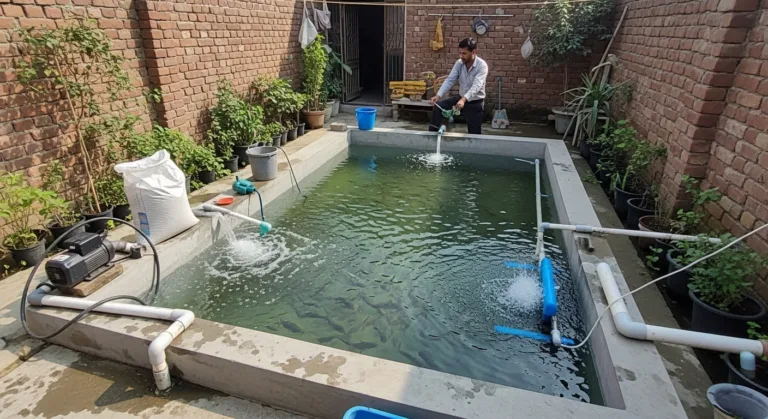
Farmers raise fish in various setups, from small backyard ponds to huge ocean cages. The most common types include ponds dug into the ground, tanks made of concrete or plastic, and even cages floating in lakes or oceans. Each system has its own advantages. Ponds are great for beginners and can be pretty cheap to set up. Tanks give you more control over water quality. Floating cages work well if you live near a lake or coastal area.
The fish you can farm aren’t limited to just one or two species either. Tilapia, catfish, salmon, trout, carp, and even shrimp are popular choices. Some farmers focus on fish that people love to eat, while others raise ornamental fish (those colorful ones you see in aquariums). The type of fish you choose depends on your climate, the water you have available, and what people want to buy in your area.
Setting Up Your Fish Farm: The Essential Ingredients
Starting a fish farm isn’t as simple as filling a pool with water and tossing in some fish. You need to think about several important factors that’ll determine whether your fish thrive or barely survive.
Water is the foundation of everything. Your fish basically live, eat, sleep, and breathe in water, so its quality matters a lot. You’ll need a reliable water source, whether it’s a well, stream, or municipal water supply. The water needs to be clean and free from harmful chemicals. Things like temperature, pH levels (how acidic or basic the water is), and oxygen content all affect fish health. It’s kind of like how you feel uncomfortable in a room that’s too hot or too cold. Fish are the same way about their water!
Location matters more than you might think. You can’t just set up a fish farm anywhere. You need relatively flat land with good soil that won’t leak if you’re building ponds. The area should have good drainage (you don’t want your farm flooding every time it rains). Access to roads is important too because you’ll need to transport fish food in and your grown fish out to market. Also, check your local laws because some areas have restrictions on fish farming.
The right equipment keeps everything running smoothly. At minimum, you’ll need things like aerators (devices that add oxygen to the water), nets for catching fish, and containers for transportation. As your farm grows, you might add automatic feeders, water testing kits, and filtration systems. Think of these tools as the same kind of essential equipment a regular farmer needs, just adapted for water instead of soil.
Feeding and Caring for Your Aquatic Livestock
Once you’ve got your setup ready and you’ve added your fish, the real work begins. Fish need daily care and attention, just like any other farm animal.
Fish have specific dietary needs. In the wild, different fish species eat different things. Some munch on plants, others prefer insects, and some are total carnivores that eat smaller fish. In a farm setting, most fish eat commercial fish feed that comes in pellets. These pellets are specially formulated to include all the proteins, vitamins, and minerals fish need to grow healthy and strong. You typically feed fish once or twice a day, and you have to be careful not to overfeed them. Uneaten food sinks to the bottom and rots, which can pollute the water and make your fish sick.
Monitoring water quality is a daily task. Remember how we said water is everything? Well, you need to check it regularly. Temperature changes, oxygen levels drop, and waste from fish builds up over time. Many fish farmers test their water at least once a day using simple test kits (they’re not that different from the chemistry experiments you might do in science class). If something’s off, you need to fix it quickly. Low oxygen? Turn on the aerators. Water getting too dirty? Time for a partial water change.
Disease prevention beats disease treatment. Fish can get sick just like we do, and diseases can spread quickly in a crowded pond or tank. The best strategy is prevention. This means keeping the water clean, not overstocking (cramming too many fish into one space), and quarantining new fish before adding them to your main population. If disease does strike, you might need to treat the water with medications or separate sick fish from healthy ones.
The Growth Cycle: From Fingerlings to Harvest
Fish farming follows a predictable cycle that farmers repeat over and over. Understanding this cycle is key to running a successful operation.
It all starts with fingerlings. No, not your actual fingers! Fingerlings are baby fish, usually a few inches long (about the size of your finger, which is where the name comes from). Most fish farmers buy fingerlings from hatcheries rather than breeding fish themselves. When fingerlings first arrive, they’re carefully introduced to their new home. You can’t just dump them straight into the pond because the temperature difference might shock them. Instead, farmers float the transport bags in the pond for a while to let temperatures equalize.
The growing period requires patience. Different fish species grow at different rates. Tilapia, one of the most popular farmed fish, can reach market size in about six to eight months under good conditions. Catfish might take a bit longer. During this time, you’re feeding them daily, monitoring water quality, and watching them grow. It’s actually pretty cool to see tiny fingerlings transform into full-sized fish!
Harvest time is both exciting and busy. When your fish reach the right size, it’s time to harvest. Farmers use large nets to catch the fish, which are then sorted by size. The fish are usually kept in clean water without food for a day or two before sale (this is called purging, and it helps improve the taste). Then they’re transported to markets, restaurants, or processing facilities. Some farmers sell live fish, while others process and freeze them first.
Challenges Every Fish Farmer Faces
Let’s be real, fish farming isn’t always easy. Every farmer deals with challenges, and knowing about them beforehand helps you prepare.
Predators see your farm as an all-you-can-eat buffet. Birds like herons and kingfishers, snakes, otters, and even neighborhood cats might try to snack on your fish. Some farmers use nets over ponds to keep birds out, or they might install scarecrows or noise makers. It’s an ongoing battle between you and nature!
Weather can throw curveballs. Heavy rains can overflow ponds and wash fish away. Extreme heat can lower oxygen levels and stress fish out. Cold snaps can slow growth or even kill sensitive species. You can’t control the weather, but you can prepare for it with backup aerators, overflow drains, and emergency plans.
Running a fish farm costs money. You need to buy fingerlings, purchase food regularly, pay for electricity to run equipment, and maintain your facilities. The good news? If you manage everything well, fish farming can be quite profitable. The key is finding the right balance between what you spend and what you earn.
Why Fish Farming Matters for Our Future
So why should you care about fish farming? Well, it’s actually pretty important for feeding our growing planet.
The world’s population keeps increasing, and we’re already catching wild fish faster than they can reproduce in many oceans and lakes. Fish farming helps take pressure off wild populations while still providing the healthy protein people need. It’s a more sustainable way to get seafood on our plates.
Plus, fish farming can be done almost anywhere, even in areas far from the ocean. This means fresh fish can be available to communities that traditionally couldn’t get it. Some creative farmers are even doing aquaponics, combining fish farming with vegetable growing in a system where fish waste fertilizes plants, and plants clean the water for fish. How cool is that?
Ready to Make a Splash?
Fish farming combines biology, business, and a bit of creativity into one unique agricultural practice. Whether you’re raising tilapia in a backyard pond or dreaming of a large commercial operation, the basics remain the same: provide clean water, proper nutrition, and good care, and your fish will thrive.
The next time you eat fish at a restaurant or see fresh fish at the market, you’ll know there’s a good chance it came from a fish farm somewhere. And who knows? Maybe one day you’ll be the farmer raising those fish. After all, someone’s got to feed the future, right? What would you raise if you started your own fish farm today?