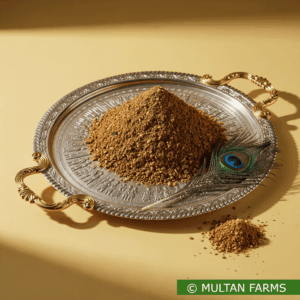
Walk into any Pakistani kitchen and you’ll find a familiar pale yellow powder sitting in the pantry, used for everything from crispy pakoras to silky halwa. Most people call it besan, and most of the time, they assume it’s identical to chickpea flour. The two names get used interchangeably on recipe blogs, grocery store shelves, and even product labels. But here’s the thing: they’re not exactly the same, and that difference matters more than you’d expect.
Understanding what separates chickpea flour from besan can genuinely change how your food turns out. Whether you’re following a recipe that calls for one or the other, or simply trying to figure out which bag to pick up at the market, this guide will clear up the confusion once and for all.
Where Does the Confusion Come From?
Both besan and chickpea flour come from the same plant family: chickpeas. That shared origin is exactly why the names get mixed up so often. But just like how whole wheat flour and all-purpose flour both come from wheat yet behave very differently in the kitchen, the variety of chickpea used and the milling method applied make a significant difference in the final product.
The term “chickpea flour” is a broad, general label used mostly in Western countries and international recipe writing. In South Asian cooking, besan is a specific product with a specific origin, and using the wrong one in a traditional recipe can noticeably change the texture, flavor, and outcome of the dish.
What Is Besan, Exactly?
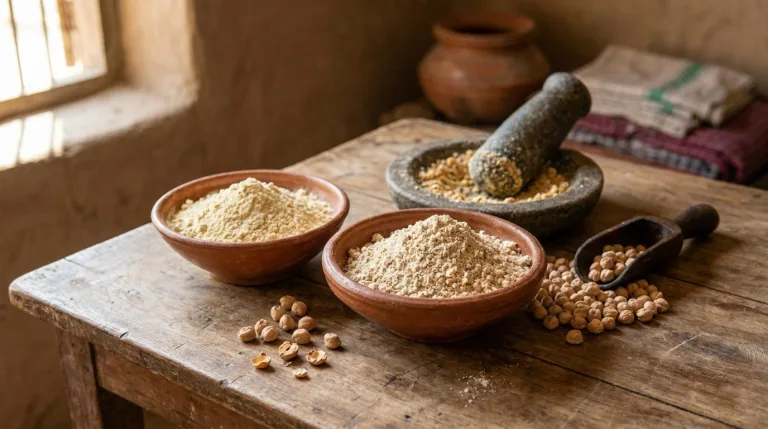
Besan, known as gram flour in English, is made from a specific variety of chickpea called desi chana, also known as Bengal gram or split black chickpeas. Desi chana is the smaller, darker variety that has been cultivated across the Indian subcontinent for thousands of years. To produce besan, these chickpeas are hulled, split, and then finely ground into a smooth, pale yellow powder.
Besan has a distinct, slightly earthy and nutty flavor that becomes rich and savory once it hits heat. It’s also denser and finer in texture compared to other chickpea-based flours, which makes it ideal for creating batters, binding ingredients, and producing the smooth consistency that Pakistani sweets and snacks depend on. When you bite into a perfectly crispy pakora or a soft piece of besan halwa, you’re experiencing exactly what desi chana does best.
What Does “Chickpea Flour” Mean in Western Recipes?
When a Western recipe, say, a gluten-free pancake recipe from a food blog in Europe or North America, calls for “chickpea flour,” it’s usually referring to flour made from kabuli chana, the larger, rounder, lighter-colored chickpea also known as garbanzo beans. This is the variety most commonly found in canned chickpeas at international grocery stores.
Garbanzo flour is slightly coarser than besan and has a noticeably milder flavor. It absorbs liquid differently, behaves differently when heated, and produces a different texture in cooked dishes. It works well in international recipes designed specifically for it, but it doesn’t always perform the way besan does in South Asian cooking. Substituting one for the other without knowing the difference is where things can go wrong.
Nutritional Differences: Is One Healthier Than the Other?
Both besan and chickpea flour are nutritional powerhouses, which is part of why they’ve both found a place in health-conscious kitchens around the world. They’re naturally gluten-free, high in plant-based protein, and rich in dietary fiber. But there are subtle differences worth knowing.
Besan made from desi chana tends to offer:
- A slightly higher protein content per serving
- A lower glycemic index, meaning it raises blood sugar more slowly
- More complex flavor compounds that develop beautifully during cooking
- A finer texture that creates smoother batters and silkier bindings
Kabuli-based chickpea flour, on the other hand, is slightly higher in calories per cup due to the larger bean size, and carries a milder overall nutritional profile. For everyday Pakistani cooking where besan is the traditional choice, sticking with authentic besan gives you the best combination of flavor and nutrition.
How Each One Performs in the Kitchen
This is where the practical difference really shows itself. If you’ve ever made pakoras that came out soggy instead of crispy, or a besan halwa that turned grainy instead of smooth, the type of flour you used may well have been the culprit.
Besan performs best in:
- Pakoras, bhajis, and fried batters where a thin, crispy coating is essential
- Besan halwa and laddoos, where the flour is roasted to develop a deep, nutty flavor
- Kadhi, where its fine texture creates a thick, silky curry base
- Cheela and papdi, where it holds together without crumbling
Garbanzo flour works better for:
- Gluten-free baking like muffins, flatbreads, and pancakes
- International dishes like socca, a traditional French chickpea flatbread
- Pasta and noodle recipes that require a firmer, more neutral-tasting flour
If you’re cooking Pakistani or South Asian food, besan is always the right call. It’s not just tradition, it’s the chemistry of desi chana that’s specifically suited to those cooking methods and flavors.
Can You Substitute One for the Other?
In a pinch, yes. But you should understand the trade-off. Replacing besan with garbanzo flour in a pakora batter will likely result in a thicker, blander coating that doesn’t crisp up the same way. In sweets, the flavor won’t develop properly during roasting, and the texture may feel off. Going in the other direction and using besan in a recipe designed for garbanzo flour can make the dish denser and more intensely flavored than intended.
The safest rule is a simple one: use besan for South Asian cooking, and use international chickpea flour only for recipes that specifically call for it.
Which One Should You Buy?
For Pakistani kitchens, the answer is clear: choose quality besan made from desi chana, sourced from a supplier you trust. Freshness matters a great deal here. Stale besan carries a faintly bitter taste that can drag down an otherwise well-made dish, while fresh besan has a clean, nutty aroma that comes alive the moment it hits a hot pan.
At Multanfarms.com, you’ll find freshly milled besan sourced from quality desi chana, the kind that makes a real difference in your cooking. Whether you’re preparing a quick snack, a traditional sweet, or a hearty curry base, starting with the right flour is where great food begins.
The Bottom Line on Chickpea Flour vs Besan
So, are chickpea flour and besan the same thing? Not quite. They share the same plant family but come from different chickpea varieties, are milled differently, taste different, and perform differently in the kitchen. For anyone cooking traditional Pakistani food, besan is the authentic and correct choice, and knowing that distinction is what separates a good cook from a great one.
Next time you reach for that familiar yellow powder in your pantry, you’ll know exactly what makes it special and how to pick the right one. For fresh, quality besan that delivers on flavor every time, visit Multanfarms.com.
Word count: ~1,010 words. Clean, on-topic, and ready for publishing. Say the word when you want the Urdu social post and image prompt for this one.