Picture this: you’re eating a delicious piece of fish for dinner, and suddenly you wonder, where did this actually come from? You might think it was caught in the ocean by someone on a boat, but there’s a good chance it actually grew up on a farm! Yep, fish farming is a real thing, and it’s becoming one of the fastest-growing food industries in the world.
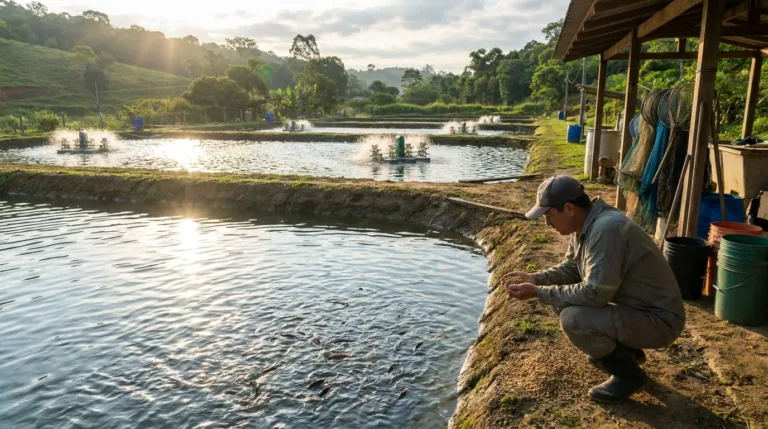
Fish farming, also called aquaculture, is the practice of raising fish in controlled environments like tanks, ponds, or ocean enclosures. It’s kind of like having a giant aquarium, but instead of keeping fish as pets, you’re raising them for food. With oceans being overfished and the world’s population growing, fish farms are helping feed millions of people every day.
But how does someone actually set up a fish farm? What do fish need to thrive? And could you even start a small one in your own backyard? Let’s dive into the fascinating world of fish farming and discover what it takes to turn a simple idea into a swimming success!
Why Would Anyone Want to Farm Fish?
Before we get into the “how,” let’s talk about the “why.” Fish farming has exploded in popularity for some pretty good reasons. First off, wild fish populations are struggling. Imagine if everyone in your school wanted to borrow the same book from the library at once. Eventually, there wouldn’t be enough copies to go around, right? That’s what’s happening in our oceans.
Fish farms help take pressure off wild fish populations while still providing the protein that billions of people rely on. In fact, did you know that fish farming now produces more fish for human consumption than wild-caught fishing does? That’s a huge deal!
There’s also the business side of things. Fish farming can be incredibly profitable if done right. People need to eat, and fish is one of the healthiest protein sources available. It’s packed with nutrients and omega-3 fatty acids that are great for your brain and heart. Plus, fish farms can be set up almost anywhere, from coastal areas to landlocked regions, even in places where traditional farming doesn’t work well.
Choosing the Right Fish for Your Farm
Not all fish are created equal when it comes to farming. Some fish are high-maintenance divas that need perfect conditions, while others are tough and adaptable. If you’re thinking about starting a fish farm, picking the right species is your first major decision.
Tilapia is like the superstar of fish farming. These fish are incredibly hardy, meaning they can survive in lots of different conditions. They grow fast, reproduce easily, and don’t need fancy equipment. Think of tilapia as the golden retriever of the fish world, friendly and easy to care for!
Catfish is another popular choice, especially in the southern United States. They’re bottom-feeders (which means they eat food that sinks to the bottom), and they’re not picky eaters. Catfish can handle warmer water and don’t need as much oxygen as some other species, making them perfect for pond farming.
Then there’s salmon, which is more challenging but also more valuable. Salmon need cooler water and lots of space. They’re like the athletes of the fish world, needing specific conditions to perform their best. Many salmon farms are set up in ocean cages where the water stays naturally cool.
The Essential Equipment You’ll Need
Setting up a fish farm requires some specific gear, but the good news is you can start small and simple or go big and high-tech. Let’s break down what you’ll need for a basic setup.
First up is your tank or pond. This is home for your fish, so you want it to be comfortable! For beginners, large tanks (like those big circular ones made of fiberglass or plastic) work great. If you have land, you could dig a pond. The size depends on how many fish you want to raise. A good rule of thumb is that you don’t want to overcrowd your fish, kind of like how you wouldn’t want 30 kids crammed into a tiny bedroom!
Next, you’ll need a filtration system. Fish are messy! They produce waste, and leftover food can pollute the water. A filter keeps the water clean and healthy. It’s similar to having a filter in your home aquarium, just way bigger. Some systems use biological filters where good bacteria break down the waste naturally.
Aeration equipment is super important too. Fish need oxygen to breathe, just like we do, except they get it from water. An aerator adds oxygen to the water, keeping your fish happy and healthy. Without enough oxygen, fish become stressed and can even die. Think of it like making sure there’s enough fresh air in a room full of people.
You’ll also need temperature control for some species. Heaters or chillers help maintain the perfect water temperature. Imagine trying to sleep when it’s way too hot or freezing cold, that’s how fish feel when the temperature isn’t right!
Getting the Water Chemistry Just Right
Here’s where fish farming gets a bit scientific, but don’t worry, it’s not as complicated as it sounds! Water quality is absolutely crucial for healthy fish. You can’t just fill up a tank with tap water and call it good.
pH levels measure how acidic or basic the water is. Most fish prefer water that’s pretty neutral, with a pH between 6.5 and 8.5. You can test this with simple strips you dip in the water (kind of like the test strips at a swimming pool). If the pH is off, you can add special chemicals to adjust it.
Ammonia and nitrite levels need to be monitored too. Fish waste produces ammonia, which is toxic. In a healthy system, beneficial bacteria convert ammonia into nitrites, then into nitrates, which are less harmful. This process is called the nitrogen cycle, and it’s like having a natural cleaning crew working 24/7 in your tank.
Temperature matters a ton as well. Different fish thrive at different temperatures. Coldwater fish like trout need water around 50-60°F, while warm-water fish like tilapia prefer 75-85°F. Getting this right is like finding your perfect hoodie, not too hot, not too cold, just right!
Feeding Your Fish and Keeping Them Healthy
Once your setup is running, feeding becomes your daily job. Fish farmers use specially formulated fish feed that contains all the nutrients fish need to grow big and strong. It’s like the difference between eating a balanced meal versus just snacking on chips all day.
Most commercial fish feed comes in pellets that float or sink depending on what type of fish you’re raising. You can’t overfeed fish, well, technically you can, but you shouldn’t! Overfeeding wastes money and pollutes the water with uneaten food. A good rule is to feed only what your fish can eat in about 5-10 minutes.
Keeping fish healthy means watching for signs of disease. Sick fish might swim strangely, stop eating, or develop spots or fuzzy patches on their bodies. It’s like when you can tell your friend isn’t feeling well because they’re acting differently. Some common fish diseases include parasites, bacterial infections, and fungal problems.
Prevention is way better than treatment. Maintaining clean water, not overcrowding your tanks, and feeding quality food will keep most diseases away. It’s similar to how eating well, getting enough sleep, and washing your hands helps keep you from getting sick!
Starting Small: Backyard Fish Farming
You don’t need acres of land or tons of money to try fish farming! Many people start with backyard setups that are perfect for learning the ropes. A simple system might include a few large tanks (maybe 100-300 gallons each), a basic filter, and an air pump.
Some enthusiasts even practice aquaponics, which is super cool. This combines fish farming with growing plants! The fish waste provides nutrients for plants growing in water above or beside the fish tank, and the plants help filter the water for the fish. It’s like creating your own mini ecosystem where everything works together.
A backyard fish farm can produce enough fish to feed your family and maybe even sell some to neighbors or at local farmers markets. Imagine telling your friends that the fish tacos you’re serving came from your own backyard, how awesome would that be?
The Business Side of Fish Farming
If you’re thinking bigger than just a backyard hobby, fish farming can be a real business. Commercial fish farms supply grocery stores, restaurants, and seafood markets. But like any business, it takes planning, investment, and hard work.
You’ll need to think about costs like equipment, fish feed, electricity for pumps and aerators, and labor. Then there’s getting the proper permits and licenses, because you can’t just start selling fish without following local regulations. It’s kind of like how you can’t just set up a lemonade stand anywhere without checking if it’s allowed!
Marketing matters too. People are increasingly interested in knowing where their food comes from. If you can show that your fish are raised sustainably, in clean conditions, and without harmful chemicals, you’ll have customers who are willing to pay good prices.
The Future Is Swimming Toward Us
Fish farming is evolving fast with new technology making it easier and more sustainable. Some farms now use recirculating aquaculture systems (RAS), which reuse up to 99% of the water by filtering and cleaning it super efficiently. It’s like having a space station for fish where everything is recycled!
There’s even research into raising fish indoors in urban areas, bringing fish farming right into cities. Imagine a fish farm on a rooftop in downtown New York! These innovative approaches could help feed growing populations while using less land and resources.
Scientists are also developing better fish feed made from insects, algae, and plant proteins instead of relying on wild-caught fish. This makes fish farming even more sustainable and helps protect ocean ecosystems.
Dive Into Something New
Fish farming might seem complicated at first, but it’s really just about creating the right environment for fish to thrive. Whether you’re interested in starting a small backyard project or dreaming of running a commercial operation, the principles are the same: clean water, proper feeding, and healthy fish.
The world needs more sustainable ways to produce food, and fish farming is definitely part of the solution. It combines science, nature, and a bit of entrepreneurial spirit. Plus, there’s something really satisfying about raising your own food and knowing exactly where it came from.
So here’s something to think about: would you ever consider trying fish farming, even on a small scale? Maybe you could start by researching what fish species live in your area or visiting a local fish farm to see how it’s done. Who knows, you might just discover your new favorite hobby, or maybe even your future career!