Picture this: you’re standing in a green pasture with the sun warming your face, and around you are dozens of fluffy sheep munching on grass. They bleat softly, almost like they’re chatting with each other. Starting a sheep farm might sound like a dream straight out of a storybook, but it’s actually a real possibility if you know what you’re doing! Whether you’re curious about where your favorite wool sweater comes from or you’re genuinely interested in farming, understanding how to start a sheep farm is pretty fascinating.
Sheep farming has been around for thousands of years, and it’s still going strong today. People raise sheep for lots of reasons: some want wool for clothing, others raise them for meat, and some just love having these gentle animals around. At Multanfarms.com, we believe that anyone with dedication and the right knowledge can start their own sheep farming adventure. So, are you ready to learn what it really takes to become a shepherd?
In this article, you’ll discover everything from choosing the right sheep breeds to setting up your farm, caring for your flock, and even making money from your woolly friends. Let’s dive in!
Understanding the Basics: What Does a Sheep Farmer Actually Do?
Before you jump into sheep farming, it’s important to understand what you’re signing up for. A sheep farmer isn’t just someone who watches sheep eat grass all day (though that does happen!). You’ll be responsible for feeding your flock, making sure they’re healthy, protecting them from predators, and helping ewes (that’s what female sheep are called) when they give birth to lambs.
Think of yourself as a combination of a doctor, a chef, and a bodyguard for your sheep. You’ll need to check them regularly for signs of illness, provide them with nutritious food and clean water, and make sure their shelter keeps them safe from harsh weather and wild animals. It’s a big responsibility, but it’s also incredibly rewarding when you see your healthy flock thriving.
Most sheep farmers also manage the business side of things. This means keeping track of expenses, selling products like wool or meat, and planning for the future. It’s like running any other business, except your “products” have four legs and say “baaaa!”
Choosing Your Sheep: Not All Breeds Are Created Equal
Here’s something cool: there are over 1,000 different sheep breeds in the world! Each breed has its own special characteristics, and choosing the right one is super important for your farm’s success. Some sheep are raised mainly for their wool, like the famous Merino sheep that produce incredibly soft fleece. Others, like the Suffolk or Dorper breeds, are raised for meat because they grow big and strong.
When you’re starting out, you’ll want to think about your climate and what you want from your sheep. If you live somewhere really hot, you might choose hair sheep breeds that naturally shed their coat instead of needing to be sheared. If you’re in a colder area, woolly breeds might be perfect. It’s kind of like choosing the right dog breed for your family, you need one that fits your lifestyle and environment.
At Multanfarms.com, we recommend starting with hardy, easy-to-manage breeds if you’re a beginner. Breeds like Katahdin or Dorper are known for being low-maintenance and adaptable. They’re like the “easy mode” of sheep farming, perfect for learning the ropes before you try more challenging breeds.
Setting Up Your Farm: Creating the Perfect Sheep Paradise
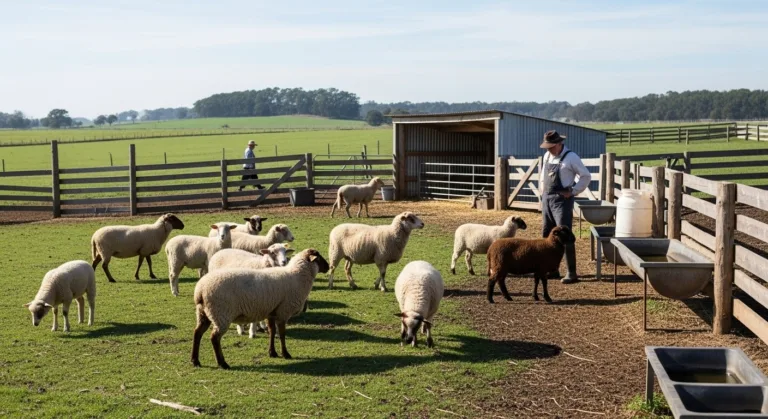
Now let’s talk about where your sheep will actually live. Sheep don’t need fancy mansions, but they do need some basic things to stay happy and healthy. First up is land. As a general rule, you can keep about 6-8 sheep per acre of pasture, depending on the quality of your grass. That means if you have two acres of good grazing land, you could start with around 12-16 sheep.
Your sheep will need shelter too, especially during extreme weather. This doesn’t have to be anything elaborate. A simple three-sided barn or shed works great, giving them a place to escape from rain, snow, or blazing sun. Think of it as their cozy clubhouse where they can hang out when the weather gets rough.
Fencing is absolutely crucial. Sheep aren’t the best escape artists (they’re not goats!), but they still need secure fencing to keep them in and predators out. A four-foot-high fence usually does the trick. You’ll also need to set up water troughs for fresh drinking water and feeding areas. Many farmers use hay feeders to keep the hay off the ground and prevent waste.
The Daily Care Routine: Keeping Your Flock Healthy and Happy
Once your farm is set up and your sheep arrive, the real work begins! Every single day, you’ll need to check on your flock. This daily walk-through is like taking attendance at school, you’re making sure everyone’s present and looking good. You’ll watch for any sheep that seem sick, injured, or acting strange. Healthy sheep are alert, have clear eyes, and move around normally.
Feeding your sheep is pretty straightforward during warmer months when there’s plenty of grass, they’ll mostly feed themselves by grazing. But during winter or dry seasons, you’ll need to provide hay and possibly grain supplements. A sheep’s digestive system is like a complex factory that needs the right fuel to run smoothly, mostly fiber from grass and hay.
One of the most important jobs is hoof care. Sheep’s hooves grow continuously, kind of like your fingernails. If they get too long, they can cause pain and health problems. You’ll need to trim them every few months using special tools. At first, this might seem tricky, but with practice, it becomes second nature. Many farmers also deworm their sheep regularly and give them vaccinations to prevent diseases.
The Money Side: How Can You Actually Profit from Sheep?
Let’s be honest, starting a farm costs money upfront, but sheep farming can definitely pay off if you plan it right. There are several ways to make money from your flock. The most common are selling wool, selling lambs for meat, or breeding and selling sheep to other farmers.
Wool prices vary depending on quality and market demand, but a good fleece can fetch anywhere from $5 to $30 or more per sheep. If you have 20 sheep and shear them once a year, that’s a decent income right there! Meat sales can be even more profitable. Lamb meat is popular in many cultures and restaurants, and you can sell directly to consumers at farmers’ markets or through local buyers.
Some smart farmers create multiple income streams. They might sell wool to craft shops, sell meat to restaurants, and charge people to visit the farm for educational tours. It’s all about being creative and finding what works in your area. At Multanfarms.com, we’ve seen farmers turn their passion into a thriving business by thinking outside the box.
Common Challenges: What to Watch Out For
Starting any farm comes with challenges, and sheep farming is no exception. Predators like coyotes, dogs, and even eagles can threaten your flock, especially lambs. Many farmers use guardian animals like dogs, llamas, or donkeys to protect their sheep. These guardians live with the flock and scare away potential threats. It’s like having a superhero bodyguard for your woolly friends!
Disease is another concern. Sheep can get parasites, foot rot, and various infections if not properly cared for. The good news? Most of these problems are preventable with good management, regular check-ups, and keeping their living areas clean. Building a relationship with a veterinarian who knows about sheep is really important.
Weather extremes can also be tough. Super hot summers can stress sheep, while harsh winters require extra feed and shelter. You’ll need to plan ahead and be ready to adapt when Mother Nature throws curveballs your way.
Making It Happen: Your First Steps
So, you’re excited about sheep farming? Awesome! Here’s how to actually get started. First, do your homework. Read books, watch videos, and visit established sheep farms in your area. Many farmers love sharing their knowledge with beginners. You could even volunteer at a local farm to get hands-on experience before investing your own money.
Next, create a business plan. Figure out your start-up costs (land, fencing, sheep, feed, equipment), and estimate your potential income. This doesn’t have to be super complicated, just a clear picture of what you’re getting into financially. Many beginning farmers start small with just 5-10 sheep to learn the basics before expanding their flock.
Connect with other sheep farmers through local farming organizations or online communities. These connections are gold! Experienced farmers can answer your questions, help you solve problems, and might even sell you your first sheep at a fair price. At Multanfarms.com, we’re building a community of passionate farmers who support each other’s success.
Your Woolly Adventure Awaits
Starting a sheep farm is definitely a big undertaking, but it’s also an incredible journey. You’ll learn new skills, connect with nature, and maybe even build a successful business. From choosing the right breeds to caring for your flock daily, every step teaches you something valuable. The satisfaction of seeing healthy lambs playing in your pasture or holding your first sheered fleece is hard to beat!
Remember, every successful sheep farmer started exactly where you are now, curious, maybe a little nervous, but willing to learn. With dedication, patience, and the right knowledge, you can create your own thriving sheep farm. The question isn’t really “Can I do this?” but rather “When will I start?”
What’s stopping you from taking that first step toward your sheep farming dream?