Hey, have you ever stared at a plate of crispy fried fish and thought, “I wonder how this guy got from the water to my fork?” It’s not just magic, you know. In Pakistan, a bunch of clever folks are turning ponds and tanks into busy nurseries where baby fish grow up strong and healthy. These spots are called fish hatcheries, and they’re like underwater schools for fish, teaching them to swim big and bold before they head to farms or markets.
Picture this: a sunny morning in Punjab, with water sparkling under the sun, and tiny fish eggs hatching into wriggly swimmers. That’s the magic of a fish hatchery. Today, we’re diving deep into how these places work in Pakistan, why they’re popping up everywhere, and what cool tricks they use to keep our rivers and plates full. You’ll learn about the fish stars, the behind-the-scenes action, and even how places like Multanfarms.com are making it all easier for everyday farmers. Stick around, because by the end, you’ll see why these hatcheries are like superheroes for our food and environment.
What Exactly Is a Fish Hatchery Anyway?
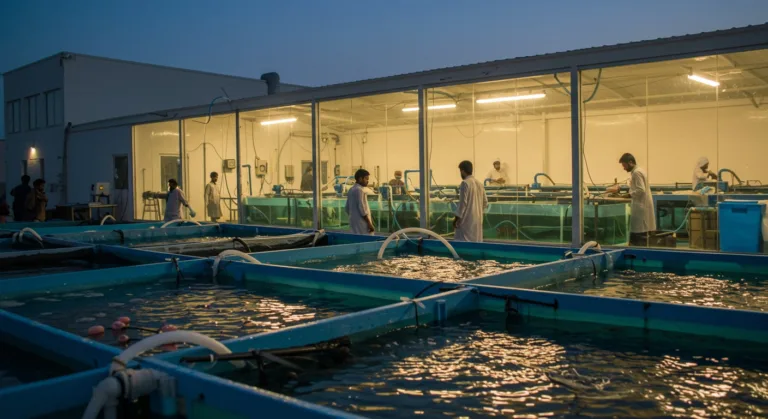
Okay, let’s break it down simple. A fish hatchery is basically a special farm where people help fish have babies and raise them from eggs to little swimmers ready for the big world. Think of it like a baby daycare for fish, but with lots of water and zero diapers. Instead of waiting for fish to breed in wild rivers, experts step in to make it happen faster and safer.
In Pakistan, these hatcheries are a big deal because our rivers and lakes can’t always keep up with how many fish we need for food. They control everything, from the temperature of the water to what the baby fish eat, so more of them survive. It’s like giving fish a head start in life, just like how your parents make sure you have breakfast before school.
Did you know? Pakistan has over 12,000 fish farms, and hatcheries supply the baby fish, or fingerlings, to all of them. Without these spots, we’d have way fewer fish on our tables.
Why Are Fish Hatcheries a Game-Changer in Pakistan?
Now, imagine Pakistan without enough fish. Sounds fishy, right? Well, that’s why hatcheries are popping up like mushrooms after rain. Our country has awesome rivers like the Indus and a long coastline, but overfishing and pollution make it hard for wild fish to keep up. Hatcheries fix that by growing more fish on purpose, helping feed millions of people who love their karahi fish or simple grilled rohu.
Plus, they’re great for jobs. In places like Punjab and Sindh, families who used to just farm crops are now raising fish too. It brings in money and keeps food cheap and healthy. Fish is packed with protein, way easier to digest than meat, and super good for growing kids like you. So, next time you munch on fish, thank a hatchery worker, they’re basically underwater chefs.
And here’s a fun fact: Pakistan’s fish farming has grown super fast, from just 10,000 tons in 2000 to over 100,000 tons by 2007. That’s like your backpack getting heavier with books every year!
Spotlight on Stars: The Top Fish in Pakistani Hatcheries
Not all fish are made equal, you know. In Pakistan’s hatcheries, they focus on tough, tasty types that love our warm waters. The big stars are the major carps, like rohu, catla, and mrigal. These are like the popular kids in fish school, big and meaty, perfect for curries.
Then there’s tilapia, the speedy grower from Africa that’s now a Pakistani favorite. It’s hardy, meaning it doesn’t mind crowded ponds, and you can pack 6,000 of them in one acre, compared to just 1,000 carps. Imagine a classroom with desks for everyone, no one squeezed on the floor!
For cooler spots up north, like in Khyber Pakhtunkhwa, they breed trout and the mighty mahseer, Pakistan’s national fish. Mahseer is like the king of rivers, strong and sporty, but climate change is making it tricky to raise them. Hatcheries help by giving them a safe spot to start.
Here’s a quick list of superstar fish and why they’re cool:
- Rohu: Sweet taste, grows fast in ponds.
- Tilapia: Super mom, lays tons of eggs.
- Mahseer: Adventure fish for rivers, tastes amazing grilled.
- Trout: Cold-water champ, like fishy ice cream on hot days.
Step-by-Step: A Day in the Life of a Hatchery
Ever wondered what happens inside those watery workshops? It’s like a science experiment meets a pet store. First, experts pick healthy adult fish, called broodstock, and give them a cozy spot to lay eggs. For carps, they squeeze the eggs and sperm together in a bucket, like mixing paint colors to get the perfect shade.
Then comes hatching. Eggs sit in trays with gentle water flow, bubbling like a soda can. In just days, tiny fish pop out, looking like see-through tadpoles. Workers feed them special crumbs, watching like hawks for any sick ones. It’s all about keeping the water clean and the temperature just right, around 25-30°C for tilapia, like a warm bath for you.
Analogy time: Raising baby fish is like baking cookies. You mix ingredients (eggs and sperm), bake in the oven (hatching trays), and check so they don’t burn. Mess up the heat, and flop! But get it right, and you’ve got a batch ready for farms.
In Punjab’s government hatcheries, they produce millions of fingerlings a year, shipping them to farmers across provinces. Cool, huh?
Hatcheries in Action: Real Spots Across Pakistan
Pakistan’s got hatcheries from north to south, each with its own vibe. Up in Malakand, the Mahseer Hatchery is like a royal nursery for the golden mahseer. They bred over 50,000 babies in one go, releasing them into rivers like Swat to boost wild numbers. It’s conservation with a splash!
In Punjab, the government’s building the biggest seed hatchery in Asia at Rajanpur, turning south Punjab into a fish hub. Places like Kataria Fish Farm in Faisalabad crank out quality breeds for nearby farmers.
Down in Sindh, Tawakal Hatchery in Thatta sells affordable seeds, helping coastal folks mix fish with shrimp. And don’t forget Bhagat Fisheries in Sargodha, with 2,000 acres of ponds, like a fish city!
Challenges? Yeah, floods and warming weather hit trout farms hard up north. But smart folks use better tech to fight back.
How Multanfarms.com Is Making Waves in the Game
Now, let’s zoom into Multan, the city of saints and sweets, where fish farming is bubbling up too. Districts like Multan and Muzaffargarh are prime spots, with clay-rich soil perfect for ponds and water from canals. Over 50 farms here study how to make profits, proving it’s a smart side hustle for crop farmers.
Enter Multanfarms.com, your friendly guide to all things farm-fresh. They’re not just about ostriches or goats, they’ve got killer tips on starting fish farms right in Multan. Want to know how much to invest? About 8 million rupees for a tilapia setup, with ponds dug deep enough for happy swimmers. They even warn about diseases, like telling you to wash your hands before snacks.
Multanfarms.com hooks you up with advice on picking spots, like checking for floods or easy water access. It’s like having a big brother who knows every pond trick. And get this: Tilapia thrives here, stocking super dense without fancy machines. If you’re dreaming of your own mini-hatchery, their site is the spot to start, making fish farming feel less scary and more like an adventure.
Rhetorical question: Wouldn’t it be awesome if every backyard in Multan had a tiny fish pond?
Hurdles and Wins: The Real Scoop on Challenges
No story’s perfect, right? Hatcheries face bumps too. Climate change is a sneaky villain, shortening cold spells for trout and causing water shortages. Floods in 2022 wrecked farms, but owners bounced back, rebuilding stronger.
Money’s another hurdle, farmers need loans for ponds and feed. But wins? Huge! Government rules protect breeding seasons, and hatcheries restock wild rivers, saving species like mahseer. Plus, eco-friendly tricks like natural ponds cut pollution.
Example: In Khanewal near Multan, farms switched to better seeds from hatcheries and doubled profits. It’s proof that with smarts, challenges turn into cheers.
Wrapping Up the Swim: Why This Matters to You
So, there you have it, from egg to plate in Pakistan’s fish hatcheries. We’ve splashed through what they are, the fish heroes they raise, daily magic, cool spots like Malakand and Thatta, and how Multanfarms.com is your go-to buddy for starting out. These places aren’t just farms, they’re lifelines keeping our waters full, jobs flowing, and bellies happy with cheap protein.
Why care? Because next time you’re at a riverside picnic or market stall, you’ll know the story behind that shiny fish. It matters for our planet too, easing pressure on wild seas and fighting hunger. Hatcheries show us we can grow food smart, without wrecking nature.
What’s your move? Maybe chat with a farmer or check out Multanfarms.com for tips. Could your family try a tiny pond someday? Dive in, the water’s fine!