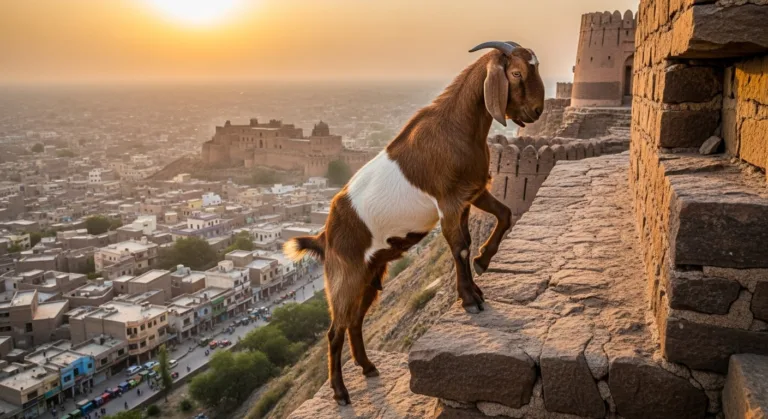
Picture this: You’re hiking up a dusty hill in the hot sun, munching on whatever scraggly bushes you spot. Now imagine doing that every day, but you’re a goat with a belly full of milk and a kid or two bouncing behind you. That’s life for the goats in Multan, Pakistan, where farms like Multanfarms.com turn these fuzzy adventurers into stars of meat, milk, and even leather.
Goats aren’t just pets here; they’re like the superheroes of farms. Pakistan has over 80 million of them, making it the third-biggest goat country in the world, and Multan in Punjab is a hotspot for raising them right. These farms produce tons of yummy goat curry ingredients and creamy milk that ends up in your cheese or yogurt. Why does it matter? Because goat farming helps families make money, feeds communities, and even keeps the land healthy.
In this story, you’ll meet the cool breeds that call Multan home, learn how to start your own mini-farm adventure, and discover secrets to keeping goats happy and healthy. Plus, fun facts that’ll make you see your next barbecue in a whole new way. Grab a snack, and let’s bleat our way through!
Spotlight on Multan’s Goat Stars: Breeds That Steal the Show
Ever seen a goat that looks like it’s dancing on its tippy toes? That’s the Nachi breed, a Multan favorite with fancy feet and a shiny black coat. These goats strut around Bahawalpur and Multan districts, perfect for hot weather and quick growth. They’re medium-sized, weighing about 28 to 33 kilograms, and their milk flows like a gentle stream, up to 150 liters in a short lactation burst.
Then there’s the Dera Din Panah, the milk machine of Punjab. Found in Muzaffargarh, Layyah, and right in Multan, these goats have black or spotted coats and Roman noses that make them look wise. Females tip the scales at 50 kilograms and pump out 1.3 to 2.2 liters of milk a day. They’re like the reliable family van of goats: big on comfort and always delivering.
Don’t forget the Beetal, a Punjab powerhouse that’s like the goat version of a marathon runner. With droopy ears and a sturdy build, they thrive in Multan’s plains and give both meat and milk. Did you know? These breeds are so tough, they munch on low-quality grass and still grow strong. At Multanfarms.com, farmers mix them for the best results, like building a dream team for your farm squad.
From Dusty Dirt to Goat Paradise: Setting Up Your Multan Farm
Starting a goat farm in Multan is like planning the ultimate playground. First, pick a spot with good grass and shade, away from floods but near water sources. Multan’s sandy soil drains fast, keeping hooves clean and happy. Aim for at least an acre to start, with room for 50 goats or so.
Build a simple shed facing south to block the rain and wind, like a cozy fort against the weather. Use bamboo or cheap wood, and add a strong fence, because goats are escape artists who’ll climb anything. Inside, spread straw for bedding, softer than your grandma’s quilt.
Here’s a quick starter checklist from Multanfarms.com pros:
- Water buckets: Clean and full, like a goat’s personal spa.
- Feed troughs: Raised off the ground to keep food dry.
- First-aid kit: Bandages and dewormer for ouchies.
Transitioning from setup to stocking feels exciting, like adding friends to your playground. Now, let’s talk about who joins the party.
Picking Your First Goats: The Smart Buyer’s Guide
Buying goats is like choosing teammates for a game, you want strong, healthy players. Head to local markets in Multan or trusted breeders at farms like Multanfarms.com. Look for bright eyes, shiny coats, and no limps, they’re signs of a winner.
Start small: Get 10 females and one male (buck) for breeding. Nachi or Dera Din Panah work great for beginners, costing around 20,000 to 50,000 rupees each. Avoid skinny or sick ones, they’re like picking a bike with a flat tire.
Analogy time: It’s like shopping for school supplies, you want quality that lasts. Check teeth for age, under one year is best. Once home, quarantine new goats for two weeks to stop any sneaky germs.
Did you know? A good buck can sire up to 50 kids a year, turning your farm into a goat kindergarten fast!
Feeding Frenzy: What Keeps Multan Goats Jumping for Joy
Goats in Multan eat like picky explorers, grazing on grass, leaves, and even kitchen scraps. Mix green fodder like berseem with grains for energy, keeping costs low at about 50 rupees per goat daily.
In hot summers, add mineral licks, like salty candy that boosts health. Fresh water is key, change it twice a day to avoid tummy troubles.
Think of feeding like packing a lunchbox: Balanced bites make strong goats. At Multanfarms.com, they use crop leftovers, turning farm waste into goat fuel. One acre of pasture feeds 20 goats, saving money and space.
Baby Goats and Beyond: Breeding and Health Hacks
Breeding starts in August, with does (females) carrying kids for 155 days. Separate the buck after, or you’ll have a goat party all year!
For health, vaccinate against pests like worms, tiny bugs that steal energy. Clean sheds weekly, and watch for coughs or limps, calling a vet fast.
Here’s a fun routine:
- Daily check: Pet and scan for bumps.
- Monthly deworm: Like a goat spa day.
- Yearly shots: Keeps everyone tough.
Challenges like floods hit hard, but Multan farmers use raised pens, like lifeboats for legs. Did you know? One healthy doe births twins often, doubling your farm family!
Cashing In: Turning Goats into Gold in Multan
Selling goats is where the fun pays off, especially during Eid when prices soar. Meat fetches 500 to 800 rupees per kilo, milk 100 rupees a liter, and skins for leather add extra bucks.
At Multanfarms.com, they deliver farm-fresh to doors, like a goat grocery service. Start local, then hit markets or online. A 50-goat farm nets 500,000 rupees yearly after costs.
Analogy: It’s like lemonade stand with fluffier profits. Jobs bloom too, from herders to sellers, boosting Multan families. One farm supports 10 workers, turning bleats into bread.
Eco-Goats: How Multan Farms Help the Planet
Goats aren’t just eaters; they’re earth helpers. They clear bushes, preventing fires, and their poop makes rich fertilizer, like nature’s compost machine.
In Multan, farms rotate grazing, letting grass regrow, like giving the field a nap. No chemicals needed, just smart herding.
Did you know? Goat farming uses less water than cows, perfect for dry Punjab. It’s sustainable fun, keeping rivers full and air clean.
So, wrapping up this goat gallop, we’ve hopped through Multan’s breeds, builds, bites, babies, bucks, and green perks. From Nachi dancers to Beetal milkers, these farms at Multanfarms.com show how goats glue communities together, feeding tummies and dreams.
Next time you spot a goat, think of the adventure behind its bleat. It powers Pakistan’s plates and pockets. Why not visit a farm or sketch your own? Would you raise a Nachi dancer or a Dera milker? The herd’s waiting, what’s your first move?