Imagine you’re at a bustling bazaar in Multan, the sun beating down, and stalls overflow with shiny red tomatoes and crunchy green okra. You grab a handful, and they taste like summer itself, juicy and full of flavor. But come winter, those same tomatoes might feel bland, no matter how fresh they look. That’s the magic of vegetable seasons in Pakistan at work, where timing turns ordinary plants into superstar ingredients.
Pakistan’s farms, especially in sunny spots like Multan, are like a giant outdoor kitchen that changes its menu with the weather. From scorching summers to chilly winters, veggies pop up right when the conditions are perfect for them to grow big and strong. In this article, we’ll explore the vegetable season in Pakistan, spotlight some favorites, and share tips from farms like Multanfarms.com to help you pick or even grow your own. Get ready to discover why eating seasonal is like hitting the jackpot for taste and health!
What’s the Deal with Seasons and Veggies Anyway?
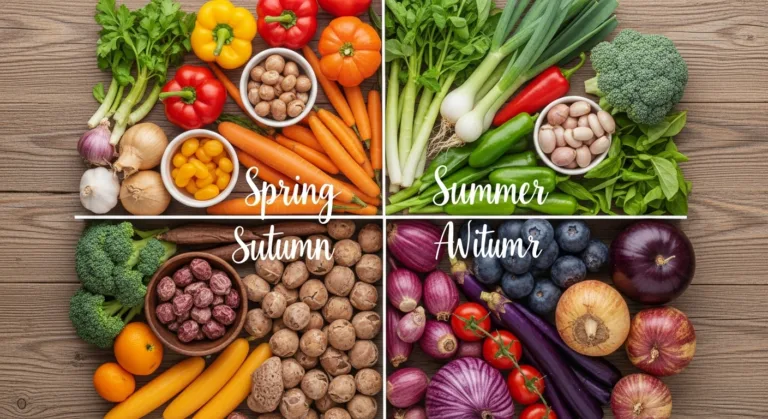
Think of vegetables like picky friends who only want to hang out in the right weather. Hot summers make some veggies explode with growth, while cool winters cozy up others. In Pakistan, we split the year into two big growing times: Kharif for the warm months (April to September) and Rabi for the cooler ones (October to March), plus a couple of short in-between bursts called Zaid. It’s like nature’s schedule, helping farmers know when to plant so the veggies turn out awesome.
Why does this matter? When you eat veggies in their season, they’re cheaper, fresher, and packed with more vitamins, kind of like how a just-picked apple beats a squishy one from storage. Farms in Multan, famous for their fertile soil, follow this calendar to grow bumper crops that end up on your plate.
Sizzling Summer Stars: Veggies That Love the Heat
Summer in Pakistan feels like a giant oven, but that’s party time for Kharif veggies. Sown in spring (February to March), they thrive on monsoon rains and shine until September or October. Picture climbing vines heavy with gourds, like a jungle gym for your salad.
Top picks include:
- Okra (Bhindi): Those ridged green pods that make your bhindi masala pop. Grown in Multan and Faisalabad, they’re ready by June, full of fiber to keep you full.
- Eggplant (Brinjal): Shiny purple beauties for grilling or curries. They love the heat and grow huge in Punjab’s fields.
- Bitter Gourd (Karela): Wrinkly and bold, it’s a summer fighter against tummy troubles. Harvested July to September, it’s like nature’s detox drink in veggie form.
Did you know? In hot spots like Multan, farmers use drip irrigation to keep these heat-lovers hydrated, turning dusty fields into green oases. One bite of fresh summer okra, and you’ll see why it’s a staple at iftar tables.
Cozy Winter Wonders: Crunchy Picks for Chilly Days
As leaves turn gold and air nips your nose, Rabi veggies take center stage from October to March. Sown in fall (September-October), they love the mild chill and produce until early spring. It’s like wrapping your garden in a blanket, coaxing out root veggies that hide underground like buried treasure.
Here’s the winter lineup:
- Cauliflower and Cabbage: White heads and leafy bundles that make creamy sabzis. Planted in October, they’re harvested by December, loaded with vitamin C to fight off colds.
- Carrots and Radish: Sweet orange sticks and spicy red roots, perfect for munching raw. They grow fast in cool soil, ready in two months.
- Spinach (Palak): Dark green leaves for saag, packed with iron. It’s a winter warrior, growing even in foggy mornings.
Fun fact: In northern areas like Islamabad, you start some seeds indoors in December to beat the frost, then transplant in February. Imagine pulling a carrot from Multanfarms.com’s winter plot, crisp and sweet, way better than store-bought.
Sneaky Spring and Fall Surprises: The In-Between Heroes
Not every veggie waits for the big seasons; some sneak in during Zaid Rabi (March-April) and Zaid Kharif (September-October). These short windows bridge the gaps, like bonus levels in a video game. They’re great for quick growers that dodge the extremes.
Spring brings early peas and lettuce, sown in February for April harvests. Peas climb like tiny acrobats, giving sweet pods by May. Fall’s Zaid Kharif revives cucumbers and tomatoes, using leftover summer warmth.
Analogy time: It’s like scheduling study sessions between big tests, keeping your veggie game steady. In Multan, these transitional crops help farmers at places like Multanfarms.com supply year-round without huge greenhouses.
How Location Changes the Veggie Game in Pakistan
Pakistan’s like a patchwork quilt of climates, from snowy north to steamy south, so vegetable seasons shift a bit by region. In cool Gilgit-Baltistan, winter veggies like beets stretch longer, while Karachi’s eternal summer lets tomatoes grow all year. Multan, in Punjab’s heart, hits a sweet spot with long, hot summers for okra and mild winters for spinach.
For example, Punjab farmers sow summer gourds in February, harvesting by monsoon. Up north, you might delay carrots to avoid early frosts. It’s like picking the right outfit for different weather, ensuring your veggies don’t flop.
Did you know? Floods in monsoon can boost some crops but drown others, so smart farmers rotate fields like a chess master. Checking local calendars from Multanfarms.com keeps you one step ahead.
Super Easy Tips to Grow or Shop Your Seasonal Veggies
Ready to get your hands dirty? Growing veggies at home is like starting a mini farm adventure, super rewarding. Start small: Grab seeds from Multanfarms.com and follow their guide. Sow winter spinach in September in a sunny pot, water gently, and watch it sprout in weeks.
Shopping smart? Hit markets when seasons peak for deals, like Rs. 20/kg for fresh cauliflower in December. Look for firm, colorful picks, no wilts. Pro tip: Use shade nets in summer to extend harvests, just like big farms do.
- For beginners: Try radish, ready in 30 days, like fast-forward farming.
- Family fun: Plant tomatoes together in March, harvest for summer salads.
- Eco-win: Seasonal eating cuts transport costs, helping the planet.
One real example: A Lahore kid planted okra in her balcony last summer, yielding enough for weekly stir-fries. See? You can too!
Why Go Seasonal? It’s a Win for Your Plate and the Planet
Eating with the seasons isn’t just trendy; it’s smart. Seasonal vegetables in Pakistan burst with nutrients because they grow naturally, no forcing with chemicals. Plus, they’re cheaper, stretching your pocket money further.
From Multan’s okra fields to your dinner table, it connects you to farmers’ hard work. Imagine the story behind that carrot: Sown in fall, nurtured through winter, picked fresh. It’s food with roots!
Did you know? Pakistan grows over 35 veggie types, exporting millions, proving our soil’s gold. Choosing seasonal keeps farms buzzing and your meals exciting.
Wrapping Up the Veggie Voyage: Your Turn to Dig In
So, from heat-loving okra in Kharif summers to cozy cauliflower in Rabi winters, the vegetable season in Pakistan is a colorful calendar of growth and grub. We’ve covered the stars, the shifts by region, and tips to try it yourself, all inspired by pros at Multanfarms.com.
This matters because fresh, seasonal eats fuel your energy for school, sports, and fun, while supporting local farms that feed the nation. It’s like being part of a big, green team.
What’s your first move? Plant a pot of peas this fall, or scout the market for winter radish? Dive in, taste the difference, and who knows, you might start a veggie revolution at home!