Imagine biting into a juicy mango on a hot summer day, the sweet juice dripping down your chin, and suddenly wondering, “Where did this amazing fruit come from?” You’re not alone, because mangoes are like the rock stars of the fruit world, loved by kids and adults everywhere. But there’s a super cool fun fact about mangoes that might blow your mind and make you see them in a whole new way.
In this article, we’ll dive into that awesome secret and explore more about mangoes, from how they grow to why they’re so special. Get ready to learn stuff that’ll make you the mango expert among your friends, and maybe even inspire you to grab one from Multanfarms.com for your next snack!
What Makes Mangoes the “King of Fruits”?
Mangoes aren’t just tasty, they’re basically royalty in the fruit kingdom. People call them the “king of fruits” because there are over 1,000 different kinds, each with its own flavor and color. Think of it like choosing your favorite video game character, there’s one for every mood!
Did you know that mango trees can grow taller than a three-story building? Some reach up to 100 feet high, like a giant umbrella shading everything below. And here’s a fun analogy: just like how you need sunlight to play outside, mango trees soak up tons of sun to make those delicious fruits we love.
The Shocking Fun Fact: Mangoes Are Related to Poison Ivy?
Okay, here’s the wild fun fact about mango you’ve been waiting for: mangoes are in the same plant family as poison ivy! Yep, that itchy stuff that ruins camping trips is a distant cousin to your sweet mango. Don’t worry, though, mangoes won’t make you itch unless you touch the sap on the skin or stem, which has the same oily stuff called urushiol.
Why does this happen? It’s like how some families have members who look totally different but share the same genes. The cashew family, or Anacardiaceae, includes mangoes, cashews, and pistachios too. Next time you eat a mango, you can brag to your friends, “I’m munching on poison ivy’s nice cousin!”
To stay safe, always wash mangoes well and peel them before eating. If you’re super sensitive, wear gloves, just like you would when handling something sticky.
How Do Mangoes Grow from Tiny Seeds to Juicy Treats?
Picture this: a mango starts as a small seed inside the fruit you eat. Farmers at places like Multanfarms.com plant these seeds or graft branches from the best trees to grow new ones. Grafting is like attaching a superhero arm to a regular plant to make it stronger and fruitier.
Mango trees need warm weather, lots of water at first, and then just the right amount of sun. It’s a bit like raising a pet, you have to give it food, water, and love. In about 3 to 5 years, the tree starts producing mangoes, and one tree can give hundreds of fruits each season!
- Step 1: Plant the seed in rich soil.
- Step 2: Water it regularly but not too much.
- Step 3: Wait for flowers to bloom, then fruits to form.
- Step 4: Pick them when they’re ripe and yellow or red.
Ever tried growing something from a seed, like a bean in science class? Mangoes are way bigger, but the idea is the same!
Why Are Mangoes Super Healthy for You?
Mangoes aren’t just fun to eat, they’re packed with goodies that help your body. One mango has more vitamin C than an orange, which keeps your immune system strong, like a shield against colds. They also have vitamin A for good eyesight, kind of like how carrots help you see in the dark.
Fiber in mangoes helps your tummy digest food smoothly, preventing those annoying stomach aches after a big meal. And they’re low in calories but high in natural sugar for quick energy, perfect for after-school sports.
Here’s a quick list of mango superpowers:
- Boosts immunity: Fights off germs.
- Improves skin: Makes it glow from the inside.
- Helps digestion: Keeps things moving.
- Gives energy: Better than a candy bar!
Imagine eating a mango smoothie instead of chips, your body would thank you!
Where Do the Best Mangoes Come From, Anyway?
Mangoes love hot places like India, Pakistan, and Mexico. In Pakistan, the city of Multan is famous for its mango farms, that’s why Multanfarms.com has some of the yummiest ones. These farms pick mangoes at just the right time so they’re sweet and fresh when they reach you.
Fun fact: The world’s most expensive mango, called Miyazaki, comes from Japan and can cost $50 each! But you don’t need that, regular ones from good farms taste amazing. It’s like comparing a fancy bike to your trusty one, both get you where you want to go with a smile.
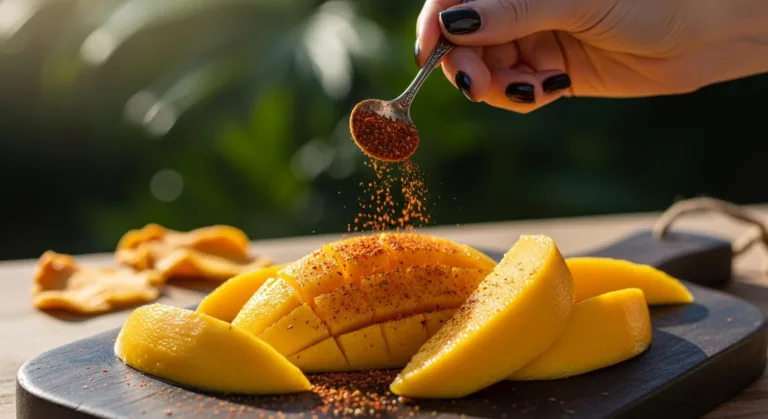
Have you ever tasted a mango from a different country? They all have unique twists, like spicy chaat masala on top in some places.
Cool Ways to Enjoy Mangoes Beyond Just Eating Them
Mangoes are versatile, meaning you can use them in tons of ways. Slice them into a salad for a sweet crunch, or blend them into a milkshake, it’s like a tropical vacation in a glass. In some countries, people make mango pickles or dried mango chips for snacks.
Try this easy recipe at home:
- Cut a mango into cubes.
- Mix with yogurt and a sprinkle of chili powder.
- Enjoy your own mango lassi!
It’s fun to experiment, just like mixing colors in art class to create something new.
Mangoes in Stories and Around the World
Mangoes pop up in legends too. In India, there’s a story about a mango tree that granted wishes, kind of like a fruity genie lamp. People celebrate mango seasons with festivals where everyone shares the harvest.
Even animals love them, monkeys in the wild swing from branches to grab ripe ones. Next time you’re at the zoo, watch for that!
Why This Mango Fun Fact Changes Everything
We’ve uncovered that crazy connection to poison ivy, learned how mangoes grow into kings of fruits, and discovered their health boosts and fun uses. From the farms at Multanfarms.com to your lunchbox, mangoes are more than a snack, they’re a adventure in every bite.
This matters because knowing where your food comes from makes eating it even better, and it connects you to farms and farmers working hard. Plus, sharing these facts can make you the coolest kid at the table.
So, what’s your favorite way to eat a mango, and will you try spotting its “cousin” traits next time? Grab one today and taste the magic!