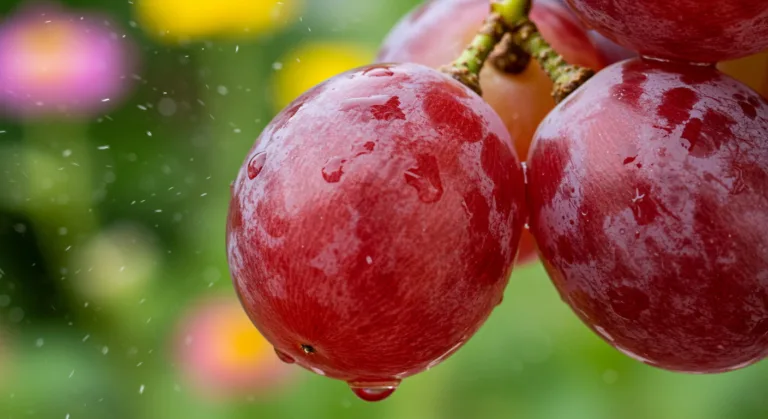
Picture this: You’re at a bustling market in Multan, the air thick with the scent of ripe fruits and spices. You spot clusters of plump, green grapes dangling like shiny jewels from twisting vines. One bite, and juice explodes with sweetness that dances on your tongue, like nature’s own candy. These aren’t just any grapes—they’re Pakistan’s pride, grown under the blazing sun that turns ordinary vines into flavor factories.
In Pakistan, grapes aren’t new; they’ve been part of stories and feasts for centuries. From ancient traders crossing deserts to modern farms buzzing with activity, these fruits connect us to history and help feed families today. Places like Multanfarms.com are making it easier for farmers to grow them right, sharing tips that turn dusty fields into green goldmines. Stick around, and you’ll learn about their wild journey, cool varieties, and why a simple grape can make a big difference in everyday life.
How Did Grapes Become Pakistan’s Sweet Secret?
Long ago, around 6,000 to 8,000 years back, grapes started their adventure in the Near East, places like modern-day Turkey and Iran. Traders carried these juicy clusters along ancient routes, and by 1300 A.D., Persian invaders brought them to the Indian subcontinent, including what’s now Pakistan. Imagine caravans loaded with vines, planting them in fertile valleys where they thrived like old friends reuniting.
In Pakistan, grapes found perfect homes in Balochistan’s cool hills and Punjab’s sunny plains. Early on, locals grew them for fresh eats and raisins, turning sunny days into snacks that lasted through winters. Today, with over 39,000 hectares dedicated to grapes, production hits around 170,000 tons yearly, mostly from Balochistan, but Punjab spots like Multan are catching up fast. It’s like grapes went from backpackers’ treats to superstars on dinner tables.
Did you know? Balochistan alone pumps out 99% of Pakistan’s grapes, earning it the nickname “Fruit Basket of Pakistan.” That’s enough to fill thousands of fruit baskets for your whole school!
What Kinds of Grapes Swing from Pakistan’s Vines?
Ever wondered why grapes come in so many outfits? In Pakistan, farmers pick varieties that match the land’s vibe, like choosing the right sneakers for a game. Thompson Seedless tops the list—pale green, super sweet, and no pesky seeds, perfect for popping like tiny water balloons. Then there’s Flame Seedless, with bright red skins that crunch like fresh apple slices, ideal for salads or just munching during recess.
Don’t miss Perlette, an early bird that ripens in June, white and juicy like summer’s first ice pop. In Balochistan, Sundarkhani steals the show—long, blackish-purple grapes that taste like caramelized sugar, hanging in bunches big enough to share with friends. And for the bold, Kings Ruby brings deep red gems packed with antioxidants, those body-boosting helpers that fight off tiredness.
At Multanfarms.com, they spotlight these stars, showing how each one fits Pakistan’s hot days and cool nights. Analogy time: Picking a grape variety is like choosing candy flavors—one’s zingy, another’s mellow, but all make your taste buds happy.
Top Varieties Quick Pick:
- Green and Seedless: Thompson—easy snacker, like nature’s gummy bears.
- Red and Crunchy: Flame—fun for fruit kabobs.
- Purple Power: Sundarkhani—sweet as dates, from Balochistan’s hills.
These choices keep farms buzzing and markets colorful.
Why Does Pakistan’s Sun Turn Grapes into Superfruits?
Pakistan’s weather is like a personal trainer for grapes: Tough but rewarding. Hot, dry summers crank up the sugar, making each berry burst with flavor, while chilly winters give vines a cozy nap to recharge. In Multan, temperatures soar to 110°F, baking sweetness into the fruit like an oven does cookies. But too much rain? That’s a grape’s nightmare—it dilutes the taste and invites bugs to the party.
Farmers fight back with smart tricks. They use drip irrigation, a system that trickles water right to roots, saving up to 50% compared to flooding fields, like sipping from a straw instead of gulping from a hose. Compost from local scraps feeds the soil naturally, keeping it rich without chemicals. Smooth transition: This perfect setup doesn’t just grow grapes; it grows success stories you’ll love.
Real-world example: In Rahim Yar Khan, farmers switched to these methods and boosted yields from 4 tons per acre to 6, turning extra grapes into juice that sells in big cities. It’s like upgrading your bike—faster rides, more fun.
Did you know? Grapes need 1,800 hours of sunshine yearly to shine brightest, and Pakistan delivers just that, making our fruits sweeter than imports from afar.
Growing Grapes: From Tiny Cuttings to Vine Parties
Ready to play farmer? Growing grapes starts simple, like planting a bean in science class, but on a bigger scale. Farmers take cuttings—snips from healthy vines about thumb-thick—and plant them in spring, spacing them 8 feet apart like kids on a playground line. They build trellises from bamboo and wire, giving vines a climb like monkey bars to spread leaves and catch sun.
Care’s key: Water deeply but not daily, especially during flower time when tiny blooms turn to berries. Prune in winter, snipping old branches to focus energy on new fruit, like trimming split ends for healthier hair. Pests like leafhoppers sneak in, but natural sprays from neem leaves keep them at bay, safe and green.
At Multanfarms.com, guides walk you through it, from soil prep to harvest in 13 months. First fruits? Around 5 kg per plant, ramping to 7 kg later—like your savings account growing with each chore done.
Analogy alert: Vines are like party planners; they need space, food, and friends (pollinators) to throw the best grape bash ever. One Punjab farmer, Ahmed from Chakwal, planted on 7 acres and earned enough for his kids’ bikes—talk about fruitful fun!
Step-by-Step Starter Guide:
- Prep Soil: Dig deep, add compost for fluffy beds.
- Plant Cuttings: Slant them in, water gently.
- Train Up: Tie to trellises as they grow tall.
- Harvest Joy: Pick in summer when grapes plump up.
It’s hands-on magic that anyone can try.
From Farm to Fork: How Grapes Feed Fun and Families
Grapes aren’t just pretty; they’re powerhouse players in Pakistan’s food game. Fresh off the vine, they’re snack kings—toss in a lunchbox for a juicy surprise. Dry them into raisins, and they’ve got a shelf life like your favorite video game, perfect for trail mix or biryani twists. Juice them up for drinks that quench summer thirst, or mash into jams that stick to toast like glue.
In Pakistan, grapes fuel 27% of fresh fruit eats and rake in millions from exports to the Middle East and Europe. But here’s the cool part: They’re loaded with vitamin C for strong bones and antioxidants to zap germs, like tiny shields for your body during playtime. Multanfarms.com shares recipes, turning grapes into yogurt parfaits that taste like dessert but count as healthy.
Example in action: During Eid in Multan, families feast on grape-stuffed sweets, blending tradition with freshness. Another win? Juice factories in Lahore buy tons, employing locals and keeping traditions alive.
Fun fact: One acre of grapes can yield 4,200 kg, enough to make 8,000 bottles of juice—thirsty yet?
Rhetorical question: Wouldn’t you love turning a bunch into your own homemade treat?
Challenges and Wins: Keeping Pakistan’s Grapes Rolling
Growing grapes isn’t all sunshine; it’s got plot twists. Heavy monsoons in Punjab can rot clusters, like rain spoiling a picnic, while bugs like mealybugs munch leaves if unchecked. Roads in Balochistan bump up transport woes, sometimes bruising berries before market. But farmers are pros at fixes—early-ripening varieties dodge rains, and cold storage in spots like Multan keeps them crisp.
Government teams and sites like Multanfarms.com offer free tips on pest sprays and better roads, turning headaches into high-fives. One Chaman grower beat hail damage by netting vines, saving his crop and selling extra to Kabul. It’s resilience in action, like bouncing back from a scraped knee.
These hurdles build stronger farms, proving grapes adapt like chameleons. Plus, with imports costing Rs 11 billion yearly, homegrown wins save cash for schools and parks.
Sweet Wrap-Up: Why Grapes Are Your New Favorite Fruit
We’ve wandered from ancient vines to Multan’s modern fields, uncovering how Pakistan’s grapes blend history, hard work, and pure deliciousness. From Thompson’s seedless pops to Sundarkhani’s caramel kicks, these berries thrive in our unique climate, powering snacks, juices, and even exports that lift communities. Farms like those on Multanfarms.com make it accessible, showing anyone can join the grape game with a little sun and smarts.
So, next time you snag a cluster at the store or market, remember the sunny stories behind each bite—they’re not just fruit; they’re flavor adventures connecting farms to your fork. Why not grab some grapes today and invent your own recipe? Or better yet, convince a grown-up to plant a vine—what sweet surprise might grow in your backyard?