Imagine biting into a tangy treat that makes your mouth pucker up, and guess what, it didn’t come from a factory full of machines. Nope, it’s straight from nature! That’s the magic of dry imli, those little brown pods you might snack on during recess or mix into your favorite chaat. Today, we’re diving into everything about dry imli, from where it grows to why it’s a superstar in your kitchen. You’ll learn cool facts, simple recipes you can try at home, and even how it keeps you healthy. Ready to turn sour into super fun?
Think about your go-to sour candy, like those lemon drops that wake up your taste buds. Dry imli is like the original version, but way cooler because it’s packed with real fruit power. We’ll explore its journey from tree to table and why kids like you are loving it more than ever.
What Exactly Is Dry Imli, Anyway?
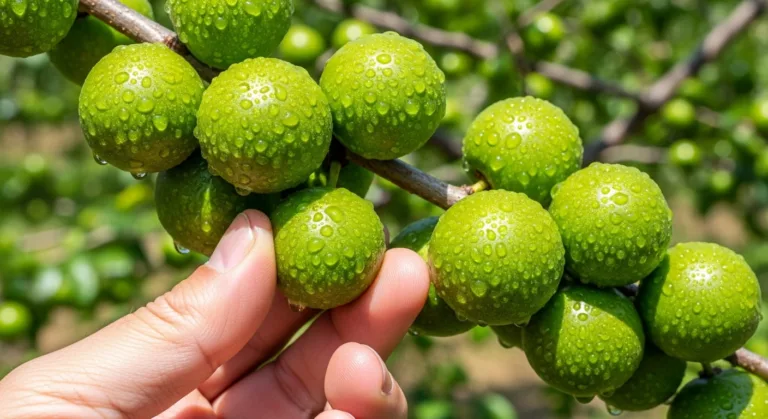
Okay, let’s start with the basics. Dry imli is just another name for dried tamarind, which comes from the tamarind tree. Picture a big, shady tree with long pods hanging like green beans at first, but then they turn brown and get all wrinkly when dried. It’s not some weird science experiment, it’s nature’s candy!
You know how raisins are dried grapes? Well, dry imli is dried tamarind pulp. The fresh pods are sticky and sour inside, but drying them makes them easy to store and use anytime. Did you know that tamarind trees can live for over 200 years? That’s older than your grandparents’ grandparents!
Where Does Dry Imli Grow and How Do Farmers Get It Ready?
Tamarind trees love hot, sunny places, kind of like how you love summer vacations. They grow best in countries like India, Pakistan, and parts of Africa. On Multanfarms.com, they pick the ripest pods from their own farms in Pakistan, where the soil is perfect for these trees.
First, farmers wait for the pods to mature on the tree. Then, they harvest them, crack open the hard shell, and scoop out the gooey pulp with seeds. To make dry imli, they dry that pulp in the sun or special dryers until it’s hard and dark. It’s like making beef jerky, but for fruit, turning soft stuff into chewy snacks that last forever without a fridge.
Ever helped your mom dry clothes on a line? That’s the idea, but for tamarind, it concentrates all that sour flavor. Farms like Multanfarms.com make sure it’s clean and natural, no funky chemicals added.
Why Does Dry Imli Taste So Sour and Awesome?
Have you ever squeezed a lemon and felt that zing? Dry imli gets its super sour kick from something called tartaric acid, which is totally natural. It’s what makes your cheeks squeeze when you pop a piece in your mouth. But it’s not just sour, there’s a hint of sweetness too, like a sour patch kid candy.
Think of it as nature’s flavor booster. A little bit of dry imli can make boring rice taste like a party. In fact, in many homes, it’s the secret ingredient in tangy sauces or drinks that cool you down on hot days. Did you know that astronauts even take tamarind paste to space because it’s lightweight and adds zip to their food?
How Can You Use Dry Imli in Your Everyday Snacks?
Alright, this is the fun part, putting dry imli to work! You don’t need to be a chef. Start simple: soak a small piece in warm water for 10 minutes, mash it up, and mix with sugar for homemade imli candy. It’s like making your own sour gummies, but healthier.
- Chaat time: Crumble dry imli over yogurt or fruits for a quick snack. Add chili powder if you dare!
- Drinks: Boil some with water, strain, add sugar and ice, boom, imli sharbat to beat the heat.
- Cooking helper: Toss it in curries or soups for that tangy twist, just like how lemon brightens up chicken.
Remember that time you mixed Kool-Aid packets? Dry imli is your natural version, and Multanfarms.com has packs ready for your experiments. One kid I heard about made imli popsicles that were a hit at his school fair!
Is Dry Imli Actually Good for Your Body?
You bet it is! Dry imli isn’t just tasty, it’s like a tiny health hero in disguise. It’s full of vitamins that help your eyes stay sharp, kind of like how carrots do, but sour-style. Plus, it has fiber that keeps your tummy happy and running smooth.
Ever feel stuffed after a big meal? A little imli tea can help digestion, acting like a gentle push for your stomach. It even has antioxidants, which are like shields protecting your cells from bad stuff. But hey, don’t go overboard, too much sour can upset your teeth or belly, just like too many candies.
Scientists say tamarind can even help with sore throats. Next time you’re sniffly, ask for imli water instead of medicine, it might just do the trick!
Fun Facts About Dry Imli That’ll Blow Your Mind
Let’s sprinkle in some wow moments. Did you know the tamarind tree’s wood is so strong it’s used to make furniture that lasts forever? Or that in some places, kids play games with the seeds, like marbles?
- In Mexico, they mix tamarind with chili for spicy lollipops.
- Ancient Egyptians used it in mummification, talk about old-school!
- One tree can produce up to 300 pounds of pods a year, that’s a ton of sour power.
And get this: elephants love fresh tamarind pods. Imagine a giant elephant munching on your favorite snack!
Wrapping Up the Sour Adventure
So, there you have it, dry imli is way more than a puckery treat. From growing on sunny farms like those at Multanfarms.com to jazzing up your snacks and boosting your health, it’s a total game-changer. You’ve learned how it’s made, why it’s sour, and even easy ways to use it at home.
Next time you grab a piece, think about the tree it came from and all the flavor packed inside. Why not try making your own imli snack this weekend? What crazy recipe will you invent with it? Go on, get sour and creative!