Imagine biting into a warm bowl of saag on a chilly evening, the leafy greens melting with butter and spices, making your taste buds dance. That’s palak, or spinach, Pakistan’s superstar veggie that’s not just yummy but packs a punch of power like a superhero in your meal. Ever notice how it shows up fresh and cheap at markets during certain months, tasting way better than the wilted stuff other times?
We’re spinning into the palak season in Pakistan today, exploring when it grows like crazy, why winter loves it, and how farms like Multanfarms.com harvest bundles of this green gold. You’ll learn growing tricks, health perks, and even easy recipes to try at home. Get ready, because palak isn’t just a side dish, it’s a seasonal sensation waiting to boost your dinners!
What Exactly Is Palak and Why Does It Matter?
Palak is that vibrant green leafy vegetable you see in bunches, related to beets and quinoa but way more fun in curries. In Pakistan, it’s a staple, stirred into palak paneer or blended into smoothies for a quick energy hit. Think of it as nature’s multivitamin wrap, loaded with iron to keep your blood strong and vitamins for glowing skin.
It grows from tiny seeds into bushy plants with broad leaves, soaking up sun and water like a sponge. Did you know palak originated in ancient Persia and traveled to Pakistan centuries ago, becoming a desi favorite? At Multanfarms.com, farmers grow it organically, meaning no harmful chemicals, just pure soil magic.
This veggie hates extreme heat, which is why its season ties to cooler weather. Ever tried growing basil on your windowsill? Palak’s similar, thriving when you’re cozy in sweaters.
When Does Palak Season Kick Off in Pakistan?
Palak season in Pakistan runs from October to March, peaking in the winter months of December to February. That’s when the cool temps, around 10-20°C, make leaves tender and tasty without bolting, which means shooting up flowers too soon and turning bitter. In regions like Punjab and Sindh, including Multan, sowing starts in late September so harvests roll in by November.
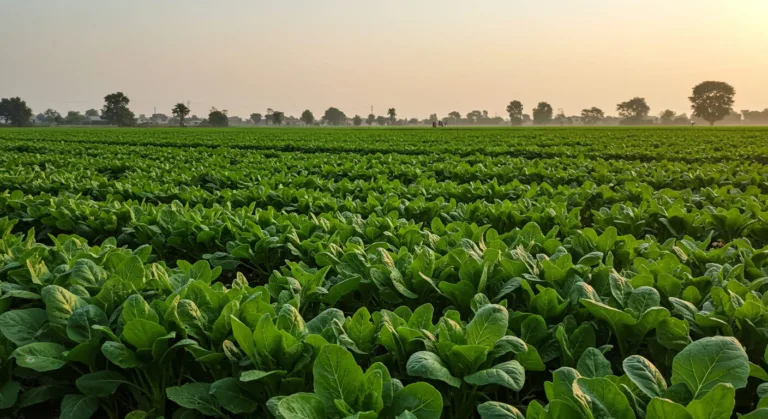
Picture the fields like a green carpet unrolling under foggy mornings, plants loving the mild sun instead of summer’s scorch. Monsoon rains before season help prepare the soil, but too much wet can rot roots, so farmers watch the sky closely.
At Multanfarms.com, they plant varieties like desi palak that handle local chills, harvesting every few weeks for fresh supply. Why winter? Cold slows pests and sweetens the flavor, like chilling fruit makes it juicier.
How Do Farmers Grow Palak During Its Prime Time?
Growing palak starts with rich, loamy soil that’s loose like playground sand, mixed with compost for nutrients. Farmers at Multanfarms.com sow seeds about 1 cm deep, spacing them so plants don’t crowd like kids in a lunch line. Water gently at first, then regularly, but not too much to avoid soggy feet.
Sunlight for 4-6 hours daily keeps them happy, and in winter’s short days, that’s perfect. They weed out invaders and use natural pest sprays, like neem leaves boiled into tea. Analogy time: it’s like building a Lego set, step by step, with fertilizer as the glue holding growth together.
- Sowing: October for early crops.
- Harvesting: Cut outer leaves first, letting the center regrow for multiple picks.
- Varieties: All Green or Punjab Palak, tough against cold snaps.
Did you know one plant can give leaves for a month if picked right? In Multan, canal water irrigates fields, turning dry lands productive.
Why Winter Makes Palak Taste and Grow Better?
Winter’s chill acts like a flavor booster, stressing the plant just enough to pack in more sugars and nutrients. Heat in summer makes palak bolt fast, leaves turning tough like old rubber bands. Cool air keeps it lush, and less bugs mean cleaner crops.
In Pakistan’s north, like Lahore, frost kisses the leaves for extra crunch, while south in Multan, milder winters allow longer seasons. Ever eaten ice cream that melts too quick in heat? Palak wilts the same way off-season.
Farms like Multanfarms.com rotate crops, planting wheat after palak to keep soil healthy. A cool fact: palak absorbs iron better in cold, helping fight anemia, a common issue where blood lacks strength.
This seasonal sync means markets flood with bundles at low prices, about 20-50 rupees a kilo in peak.
Fun Ways to Enjoy Palak in Season
Grab fresh palak and whip up palak gosht, mixing with meat for a hearty stew that’s like a warm hug. Or blend into smoothies with bananas, hiding the green for picky eaters. Simple saute with garlic and salt makes a quick side, crisp and buttery.
Try this analogy: palak is like a blank canvas, soaking up spices in aloo palak or cheese in palak paneer. Kids love palak paratha, rolled flatbreads stuffed green for school lunches.
At home, wash leaves triple to remove dirt, then chop for salads. Multanfarms.com suggests buying organic for best taste, direct from fields to your kitchen.
Did you know cartoon Popeye munched spinach for strength, and real palak gives calcium for bones too?
Health Boosts from Seasonal Palak Picks
Palak shines with vitamin A for sharp eyes, like carrots but greener. Iron fights tiredness, folate helps brains think clear, great for homework marathons. Low calories keep you fit, fiber aids digestion like a broom sweeping clean.
Eating in season maxes nutrients, fresher than stored stuff losing punch over time. Example: a bowl daily during winter builds immunity against colds, nature’s shield.
But oxalates in palak can block some minerals, so cook it to reduce, like boiling briefly. Pair with lemon for better iron grab, vitamin C as a helper friend.
Wrap Up the Green Goodness
Palak season in Pakistan, from fall sow to winter harvest, turns cool weather into nutrient-packed feasts, with farms like Multanfarms.com leading the charge. It grows best in chill, tastes amazing fresh, and loads you with health perks from iron to vitamins.
This leafy wonder shows how seasons dictate delicious eats, saving money and supporting local growers. Next time winter hits, why not plant some palak seeds in a pot and watch it grow? What dish will you make first to celebrate the season? Dive into your local market, snag a bunch, and let palak power up your plate!