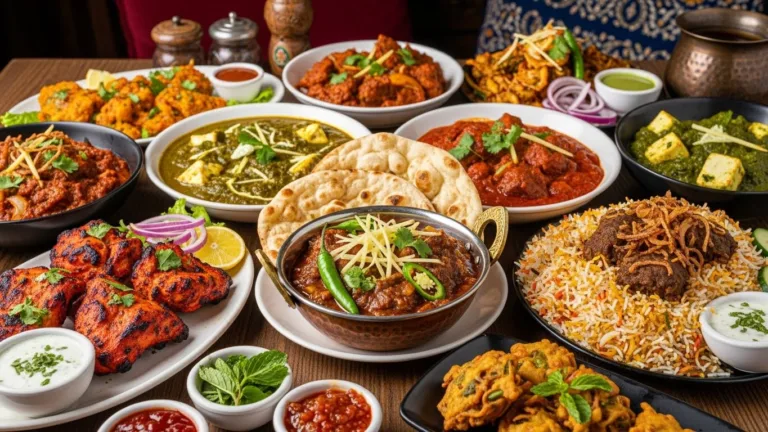
Picture this: you scoop up a big bite of spicy aloo bhujia, dip your naan into creamy bhindi masala, or crunch into a fresh salad with juicy tomatoes and cool cucumbers. Your taste buds explode with flavor! Guess what? Almost every single veggie on that plate came straight from Pakistan’s soil. Pakistan grows some of the tastiest, freshest, and most colorful vegetables on the planet, and today you’re going to discover why they’re total superstars.
Ready to meet the vegetables that make biryani, karahi, and even your school lunch salad taste amazing? Let’s jump in!
Pakistan’s vegetable adventure!
The Secret Weapon: Pakistan’s Crazy-Good Growing Conditions
Pakistan is like nature’s giant vegetable kitchen. It has super fertile land (thanks to the Indus River dumping rich mud everywhere), blazing sunshine almost all year, and four seasons that let farmers grow different veggies round the clock.
In winter, the fields turn bright green with spinach and cauliflower. In summer, they explode with red tomatoes and shiny purple eggplants. It’s like the ground never gets tired of making food!
Meet Pakistan’s Top Vegetable All-Stars
Here are the veggies you’ll find in almost every kitchen and market:
- Potatoes (Aloo) – The king of comfort food! Pakistan is one of the top 20 potato countries in the world.
- Tomatoes – So sweet and juicy you can eat them like fruit. Farmers grow over 600,000 tons every year.
- Onions – Pakistan grows so many onions that trucks full of them leave for other countries every single day.
- Okra (Bhindi) – Slimy in a delicious way, perfect for sticky bhindi masala.
- Cauliflower & Cabbage – Huge snowy-white heads that show up in winter and get turned into spicy gobi masala.
- Chili Peppers – From mild green to fire-breathing red, these make Pakistani food exciting!
From Tiny Seed to Your Dinner Plate in Just Weeks
Growing vegetables in Pakistan is like a real-life video game with levels. Farmers start with tiny seeds (some smaller than a pencil eraser), plant them in neat rows, and then… magic happens.
They water the plants with canals that come all the way from giant rivers, add natural cow-dung fertilizer, and chase away bugs (sometimes with helpful ladybugs instead of chemicals). In just 60–90 days, boom, the plants are ready to pick! It’s way faster than waiting for a new Fortnite season.
The Giant Vegetable Party: Winter vs. Summer Seasons
Pakistan has two huge growing seasons, kind of like two different menus at your favorite restaurant.
Winter squad (October–March): Spinach, carrots, peas, turnips, cauliflower, lettuce – all the cool kids.
Summer squad (April–September): Tomatoes, eggplants, okra, bitter gourd, cucumbers – the hot and spicy team.
Because of this double season trick, fresh veggies never run out. You can eat salad in December and sizzling hot bhindi in July!
How Vegetables Travel from Farm to Your Table
Imagine a tomato’s journey:
- A farmer in Multan or Okara picks it at sunrise when it’s still cool.
- It hops onto a colorful truck decorated with jingly bells.
- By afternoon, it’s chilling in an ice box at the local markets (sabzi mandi).
- Your mom or dad picks the shiniest ones, and by dinner it’s in your salan!
Some veggies even travel all the way to Dubai, England, and Canada because people there love Pakistan’s flavor too.
Why Eating Pakistani Vegetables Is Like Eating Sunshine
These veggies aren’t just tasty, they’re packed with superpowers:
- Carrots give you night-vision vitamins (perfect for gaming in the dark).
- Spinach makes your muscles strong (Popeye wasn’t lying).
- Tomatoes have stuff that keeps your heart happy.
- Green chilies crank up your bravery level when you eat spicy food!
Plus, most are grown with way fewer chemicals than in some countries, so they’re extra healthy.
Growing Your Own Mini Pakistan Garden (Yes, You Can!)
You don’t need a huge farm. Even on a balcony or windowsill you can grow:
- Cherry tomatoes in a pot (they grow like crazy) Mint and coriander in old plastic bottles Chili plants that look like mini Christmas trees covered in red and green lights
Just add soil, water, sunlight, and a little love. In a few weeks you’ll be eating veggies you grew yourself, how cool is that?
So, What’s Your Favorite Pakistani Vegetable?
Next time you’re eating aloo paratha for breakfast, bhindi for lunch, or tomato-cucumber salad with dinner, remember there’s an army of farmers waking up at 4 a.m. to make it happen. Pakistan’s vegetables don’t just feed millions of people here, they bring color, flavor, and happiness to tables all over the world.
Which one would you crown Vegetable King or Queen of Pakistan? Drop your vote: potato, tomato, onion, or okra? Or better yet, grab a carrot, take a crunchy bite, and thank the soil that made it so sweet. Pakistan’s vegetables aren’t just food, they’re little packets of sunshine, hard work, and pure deliciousness!