Have you ever seen a field of golden wheat swaying in the breeze, looking like a sea of tiny waves? It’s beautiful, right? But sometimes, those tall wheat stalks can flop over, almost like they’re too tired to stand up. This problem is called lodging, and it’s a big headache for farmers because it can ruin their crops. Imagine spending months growing your favorite plants, only to see them collapse before you can harvest them! In this article, we’ll explore what lodging is, why it happens, and how farmers, like those at Multanfarms.com, can keep their wheat standing tall and strong.
Wheat is one of the world’s most important crops, used to make bread, pasta, and even your favorite cookies. But when wheat lodges, it makes harvesting tricky and can lower the quality of the grain. Don’t worry, though—farmers have some clever tricks to reduce the risk of lodging. By the end, you’ll know why this matters and how these strategies help grow the food on your plate!
What Is Lodging, Anyway?
Picture a field of wheat like a crowd of people standing close together. If a big gust of wind comes along or it rains a lot, some of those people might lose their balance and fall over. That’s what lodging is—when wheat stalks bend or fall flat on the ground because they can’t stay upright. It usually happens when the stalks are weak, or the weather gets wild, like during heavy rain or strong winds.
Lodging is bad news because it makes it hard for farmers to harvest the wheat with machines. Plus, when the stalks are lying on the ground, the grains can get wet, moldy, or even start sprouting too early. Think of it like dropping your sandwich on the floor—you might still eat it, but it’s not as good as it was!
Why Does Wheat Fall Over?
So, why does wheat decide to take a nap in the field? There are a few reasons, and they’re kind of like the challenges you face when building a tall tower with blocks. If the blocks are too heavy or the base isn’t strong, the whole thing topples. Here are the main culprits behind lodging:
- Weak Stalks: Some wheat plants grow tall but have thin, weak stems that can’t hold up the heavy grain heads.
- Bad Weather: Heavy rain, strong winds, or storms can push wheat over, especially if the soil gets soggy.
- Too Much Fertilizer: Fertilizer is like food for plants, but too much can make wheat grow too fast and tall, making it wobbly.
- Crowded Plants: If wheat is planted too close together, the stalks compete for sunlight and grow taller and weaker.
Did you know that lodging can reduce a farmer’s harvest by up to 50%? That’s like losing half your Halloween candy before you even get home!
Choosing the Right Wheat: Stronger from the Start
One way farmers fight lodging is by picking the right kind of wheat. Not all wheat is the same, just like how some dogs are tiny Chihuahuas and others are big Great Danes. Scientists have developed dwarf wheat varieties with shorter, stronger stalks that are less likely to fall over. These plants are like the sturdy base of a Lego tower—they’re built to stand tall.
For example, at Multanfarms.com, farmers might choose a variety like “Seher-06,” a popular wheat type in Pakistan known for its strong stems. By starting with tough plants, farmers give their crops a better chance to stay upright, even when the wind howls or the rain pours.
Feeding Wheat Just the Right Amount
You know how eating too much candy can give you a sugar rush and make you feel wobbly? Wheat can get a similar problem if farmers use too much fertilizer. Nitrogen fertilizer helps wheat grow big and green, but too much makes the stalks grow too tall and weak, like a stretched-out rubber band.
Farmers at Multanfarms.com use a trick called precision farming. They test the soil to figure out exactly how much fertilizer the wheat needs—no more, no less. It’s like giving your plants a balanced diet instead of a candy overload. This keeps the stalks strong and less likely to lodge.
Planting Smart to Avoid a Fall
Imagine you’re playing a game of Jenga, and you stack the blocks too close together. The tower gets shaky, right? The same thing happens when wheat is planted too densely. If the plants are too crowded, they grow tall and spindly as they compete for sunlight, making them more likely to fall over.
Farmers can reduce lodging by planting wheat at the right spacing. This gives each plant enough room to grow a strong root system, like a tree with deep roots that can stand up to a storm. They also plant at the right time to avoid wet seasons when lodging is more likely. For example, in Multan, farmers might plant wheat in November to make sure it grows strong before the rainy season hits.
Helping Wheat Stay Strong with Support
Sometimes, wheat needs a little extra help to stay upright, just like you might lean on a friend when you’re feeling tired. Farmers can use plant growth regulators, which are like special vitamins for plants. These chemicals make the wheat stalks thicker and stronger, so they’re less likely to bend or break.
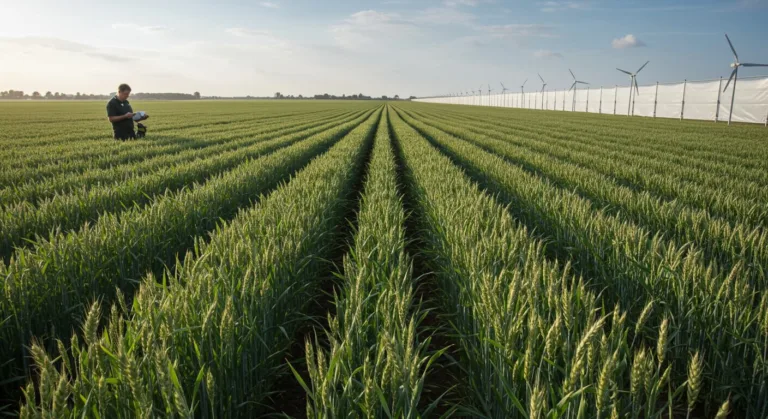
Another cool trick is using cover crops or barriers like rows of tall grasses around the wheat field. These act like a windbreaker jacket, slowing down strong winds that could knock the wheat over. It’s like building a fence around your sandcastle to protect it from waves!
Why Does This Matter to You?
You might be wondering, “Why should I care about wheat falling over?” Well, think about your favorite foods—pizza, bread, noodles, or even cake. They all start with wheat! If lodging ruins a farmer’s crop, there’s less wheat to make these yummy foods, and prices might go up. Plus, farmers like those at Multanfarms.com work hard to feed millions of people, and reducing lodging helps them grow more food for everyone.
By using smart strategies like choosing strong wheat varieties, balancing fertilizer, spacing plants right, and adding extra support, farmers can keep their wheat standing tall. These tricks don’t just save the crop—they help make sure we all have enough food to enjoy.
So, next time you bite into a slice of bread or a bowl of spaghetti, think about the farmers who battled lodging to get that wheat to your table. What other ways do you think farmers could keep their crops strong and healthy?