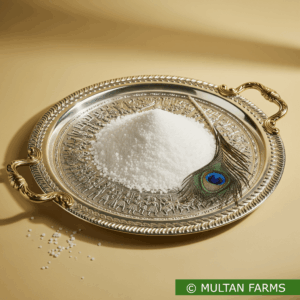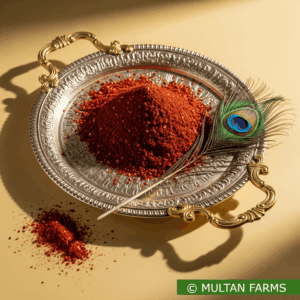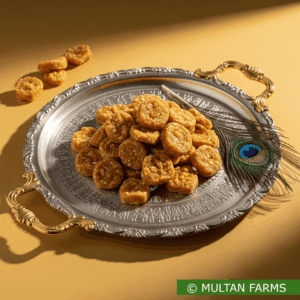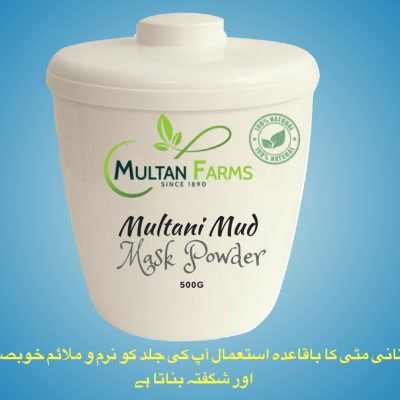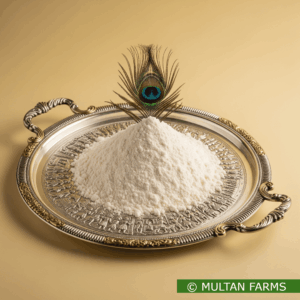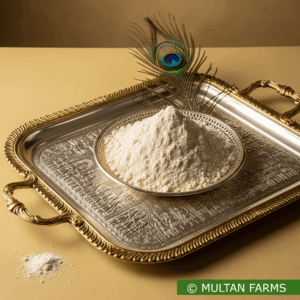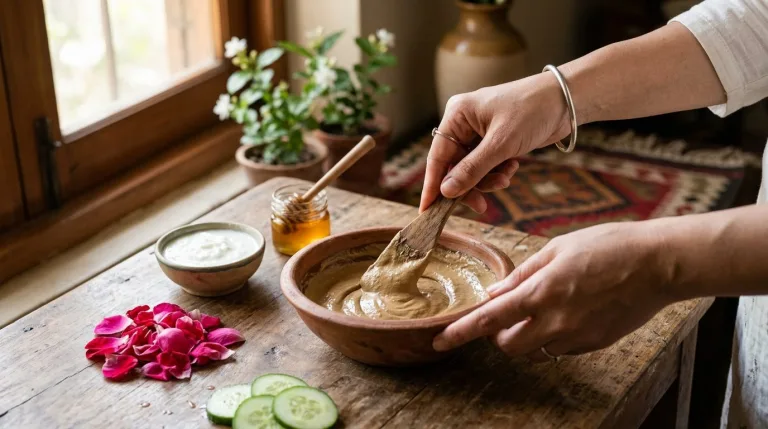
There’s a good chance your grandmother used it. Her mother used it before her. And somewhere in a small clay vessel on a shelf in Multan, it’s probably sitting right now, waiting. Multani mitti has been a staple of South Asian skincare for centuries, and not because of clever marketing or flashy packaging. It works, it’s affordable, and everything you need to turn it into an effective face pack is likely already sitting in your kitchen.
The beauty industry is full of expensive serums and imported creams that promise flawless skin in seven days. But if you look at what most of them actually do, you’ll find that multani mitti, mixed with a few simple household ingredients, can achieve the same results for a fraction of the cost. This article covers what multani mitti actually is, why it’s so effective, and exactly how to make homemade face packs that suit your specific skin type.
What Exactly Is Multani Mitti?
Multani mitti gets its name from Multan, the ancient city in South Punjab where it was first widely mined and used. In English, it’s known as Fuller’s Earth, a name that comes from the old textile trade, where cloth workers called “fullers” used this clay to pull grease and oil out of raw wool. That same absorbent quality is exactly what makes it so useful for skin.
It’s a naturally occurring mineral-rich clay, composed mainly of calcium montmorillonite, along with varying amounts of silica, magnesium, iron, and aluminium. These minerals give the clay its characteristic pale grey-green colour and its ability to bond with oils, impurities, and dead cells on the surface of the skin. When it dries on your face, it acts like a sponge pulling out everything your pores have collected.
Why Does It Work So Well on Skin?
The science behind multani mitti is straightforward once you understand what it’s doing. The clay carries a mild negative electrical charge when wet, and many of the oils, toxins, and bacteria on your skin carry a positive charge. Opposite charges attract, so the clay draws impurities out rather than just sitting on top of them. It’s a simple mechanism, but it’s remarkably effective.
Beyond absorption, multani mitti has a natural cooling and anti-inflammatory effect on the skin. This is why it’s been used for generations to treat heat rashes, sunburn, and irritation. It doesn’t just clean the surface, it calms the skin underneath. For people with oily or acne-prone skin in particular, this combination of deep cleansing and inflammation reduction makes it one of the most practical natural ingredients available.
What You’ll Need Before You Start
Making a homemade multani mitti face pack doesn’t require any special equipment. You’ll need a small clean bowl, a spoon or spatula for mixing, and the clay itself, which is widely available at pharmacies, herbal stores, and agricultural markets across Pakistan. When buying, look for food-grade or cosmetic-grade multani mitti that is free from added chemicals or artificial colours.
The mixing ingredients vary depending on your skin type and what you want the pack to do. Common additions include rose water, yogurt, honey, lemon juice, turmeric, milk, and sandal powder. Most of these are already in any Pakistani kitchen, which is part of the reason this tradition has survived so long. No imports required.
Homemade Multani Mitti Face Pack Recipes by Skin Type
For oily and acne-prone skin: Mix two tablespoons of multani mitti with enough rose water to form a smooth paste. Add half a teaspoon of lemon juice and a pinch of turmeric. This combination targets excess sebum, tightens pores, and uses turmeric’s natural antibacterial properties to address breakouts. Apply twice a week for best results.
For dry and sensitive skin: Mix two tablespoons of multani mitti with two tablespoons of raw whole milk and a few drops of honey. The milk adds moisture and lactic acid, which gently exfoliates without stripping the skin, while honey seals in hydration. This is a gentler recipe that prevents the tight, flaky feeling dry skin types sometimes get after clay masks.
For dull or uneven skin tone: Mix two tablespoons of multani mitti with one tablespoon of plain yogurt, a pinch of turmeric, and enough rose water to form a thick paste. Yogurt contains lactic acid, which helps fade pigmentation and brighten the skin over time. This recipe is a close version of what has been used in traditional Pakistani bridal routines for decades.
For normal or combination skin: A straightforward mix of multani mitti and rose water works well as a weekly maintenance pack. Rose water balances the skin’s natural pH while the clay keeps pores clean. If your skin tends to get oily in the T-zone but dry on the cheeks, you can apply the pack selectively, focusing it on the oilier areas only.
How to Apply Your Face Pack the Right Way
Application technique matters more than most people realise. Start by washing your face with a gentle cleanser and patting it dry. Slightly damp skin absorbs the pack better and makes application easier. Using clean fingers or a flat brush, spread an even layer across your face, avoiding the area directly under your eyes and around your lips.
Leave the pack on for 15 to 20 minutes. For people with dry or sensitive skin, take it off before it dries out completely, because a fully hardened clay mask can pull moisture out of already-dry skin. For oily skin types, letting it dry fully is fine and will give you the maximum cleansing effect. Rinse with lukewarm water using gentle circular motions, which gives a light exfoliation as the clay comes off.
Important Precautions You Should Know
Before applying any new pack to your full face, do a patch test by applying a small amount to the inside of your wrist or behind your ear. Wait 24 hours and check for any redness or irritation. Skin reactions to even natural ingredients are possible, and this simple step can save you from unnecessary discomfort.
Don’t use multani mitti face packs on broken skin, active wounds, or areas with severe eczema. Limit use to once or twice a week at most. Over-using clay masks can strip the skin’s natural protective barrier, which leads to dryness, increased sensitivity, and in some cases more oiliness as the skin overcompensates. More frequent isn’t more effective with this ingredient.
The Bottom Line on Homemade Multani Mitti Face Packs
Multani mitti face packs are one of those rare skincare solutions that have proven themselves across generations for a very good reason: they deliver real results using simple, accessible ingredients. Whether you’re dealing with oily skin, uneven tone, or just want a weekly deep clean, there’s a homemade recipe here that fits your needs. The entire process costs almost nothing, takes under 30 minutes, and draws on a tradition rooted right here in Pakistani soil.
The next time you walk past an expensive imported face mask in a pharmacy, consider what’s already sitting in your kitchen cabinet. Chances are, it’s already doing the job just as well.
For more on Pakistan’s natural skincare traditions, agricultural heritage, and homemade remedies rooted in the Multan region, visit Multanfarms.com.