Have you ever cracked open an egg for breakfast and wondered where it came from? Those eggs on your plate might have started their journey in a layer hatchery in Pakistan, where farmers work like super-smart chefs to raise chickens that lay tons of eggs! Places like Multanfarms.com share tips on how these hatcheries keep the egg supply flowing, helping feed millions of people. It’s like a giant egg factory, but with fluffy chicks and high-tech care!
A layer hatchery is a special place where eggs are hatched into baby chicks that grow up to be egg-laying hens. These hens are the superstars of the egg world, producing the eggs you eat in omelets, cakes, or even your favorite egg salad sandwich. In this article, we’ll explore what a layer hatchery does, how it works, why it’s so important in Pakistan, and how farmers make sure those chicks grow up healthy. Let’s dive into the egg-citing world of layer hatcheries!
What Is a Layer Hatchery?
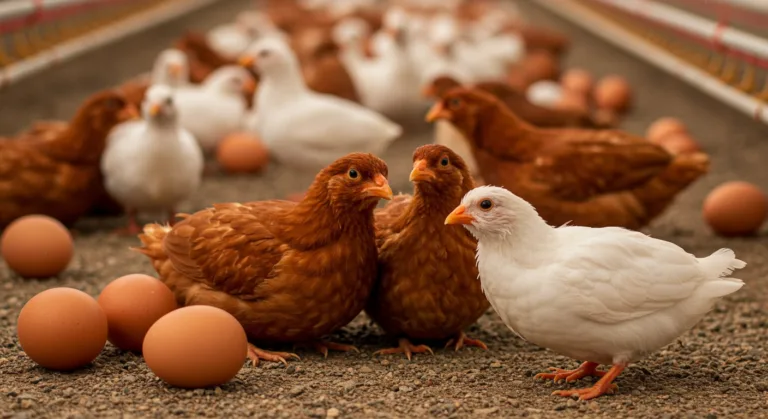
Imagine a nursery, but instead of babies, it’s filled with eggs waiting to hatch into chicks. That’s what a layer hatchery is! It’s a place where farmers carefully hatch eggs to produce hens that will lay eggs for years. These hens, called layer hens, are special because they can lay about one egg a day when they’re grown, kind of like a vending machine that pops out eggs!
In Pakistan, hatcheries like the ones described on Multanfarms.com use machines called incubators to keep eggs warm and cozy, just like a mom hen would. Did you know that Pakistan is one of the top ten egg-producing countries in the world? That’s a lot of eggs coming from hatcheries
How Do Hatcheries Turn Eggs into Chicks?
Turning an egg into a chick is like baking a cake—you need the right ingredients and conditions to make it work. In a layer hatchery, farmers start with fertile eggs from special breeder chickens. These eggs are placed in incubators, which are like high-tech ovens that keep the eggs at the perfect temperature (about 99.5°F) and humidity, so the chicks inside can grow.
After about 21 days, the eggs start to crack, and tiny chicks pop out! It’s like a birthday party for hundreds of chicks at once. Farmers then check the chicks to make sure they’re healthy, give them vaccinations to protect against diseases, and send them to farms where they’ll grow into egg-laying hens. Think of it like sending kids to school with a backpack full of supplies to get them ready for the future.
Why Are Layer Hatcheries a Big Deal in Pakistan?
Pakistan loves its eggs! Whether it’s a spicy omelet for breakfast or eggs used in baking, eggs are a huge part of the diet. Layer hatcheries make sure there are enough hens to keep up with this demand. Places like Multanfarms.com explain how farmers in areas like Punjab, where Multan is located, raise millions of layer hens to produce billions of eggs every year.
Hatcheries also create jobs for people who take care of the eggs and chicks, kind of like how a team works together to put on a big school play. Plus, they help farmers make money by selling eggs, which keeps the economy strong. Did you know that Pakistan’s poultry industry employs over 1.5 million people? That’s like filling a huge stadium with workers
Keeping Chicks Healthy and Happy
Raising healthy chicks is super important because only strong hens lay lots of eggs. In a layer hatchery, farmers act like doctors and parents rolled into one. They make sure the chicks have:
- Clean Water: Chicks need fresh water to stay hydrated, just like you need a drink after playing outside.
- Good Food: They get special feed with protein and vitamins, like a super healthy smoothie for chickens.
- Warm Homes: Hatcheries keep the temperature just right, so chicks don’t get too hot or cold, like keeping your room cozy in winter.
- Vaccinations: These protect chicks from diseases, like how you get a flu shot to stay healthy.
Multanfarms.com suggests giving chicks a mix of glucose and water when they first arrive to help them recover from their trip from the hatchery, kind of like giving them a quick energy boost after a long day.
Cool Technology in Layer Hatcheries
Hatcheries aren’t just about eggs and chicks—they’re packed with cool technology! Modern hatcheries in Pakistan use machines to control temperature, humidity, and even turn eggs automatically so the chicks grow properly. It’s like having a robot babysitter for eggs! Some hatcheries, like those mentioned in poultry news, use advanced systems from companies like ChickMaster to make sure every egg has the best chance of hatching.
For example, a hatchery might have setters, which are machines that hold thousands of eggs and keep them warm, and hatchers, where the eggs move after a few weeks to finish hatching. This high-tech setup helps farmers produce millions of chicks a year, ensuring there are plenty of eggs for everyone.
Challenges Hatcheries Face
Running a layer hatchery isn’t always easy—it’s like trying to keep a huge group project running smoothly. One big challenge is disease. If one chick gets sick, it can spread fast, like a cold in your classroom. Farmers use vaccinations and keep everything super clean to prevent this. Another challenge is keeping the hatchery at the right temperature, especially in Pakistan’s hot summers or chilly winters.
Sometimes, hatcheries also face problems like power outages, which can mess with the incubators. That’s why many have backup generators, like a superhero sidekick ready to save the day. By solving these challenges, farmers keep the egg supply steady for markets across Pakistan.
Why Should You Care About Layer Hatcheries?
You might be thinking, “Eggs are just food, so why does this matter?” Well, every time you eat an egg, you’re connected to the hard work of farmers and hatcheries in places like Multan. These hatcheries make sure there are enough eggs for your breakfast, your birthday cake, or even the mayonnaise in your sandwich. They also help farmers earn a living and keep food prices affordable.
By learning about layer hatcheries, you’re peeking into a world that feeds millions of people. Farmers at Multanfarms.com and other places work hard to raise healthy chicks, using science and care to keep eggs coming. So, next time you crack an egg, think about the journey it took from a hatchery to your plate. What’s your favorite way to eat eggs, and how would you feel visiting a hatchery to see those fluffy chicks in action?