Have you ever bitten into a warm, fluffy roti or slurped up a bowl of hot noodle soup and wondered where all that golden goodness comes from? That magic ingredient is wheat, the grain that turns into flour for your favorite breads, cookies, and even pasta. In Pakistan, wheat isn’t just food, it’s like the country’s secret superpower, feeding millions of people every single day. Farms across the land, including those in sunny spots like Multan, work hard to grow this staple crop that keeps everyone going strong.
Pakistan grows a ton of wheat, making it one of the top players in the world, and places like Multanfarms.com show how local farmers are part of this big adventure. In this article, we’ll zoom in on how wheat gets from seed to your plate, why it’s such a big deal, and some fun facts that’ll make you see your next chapati in a whole new light. You’ll learn about the fields, the challenges, and even how farmers are like real-life heroes battling the weather. Ready to dig in?
What’s the Big Deal with Wheat in Pakistan?
Wheat is like the MVP of Pakistan’s food team. It’s the main crop that turns into atta (that’s flour to you), which shows up in roti, naan, paratha, and heaps more. Pakistan eats so much wheat that each person chows down about 124 kilograms a year, more than almost anywhere else! That’s like stacking 200 rotis on your plate every year, crazy right? Without it, kitchens would be in big trouble.
This isn’t new, either. People in ancient Pakistan started growing wheat over 8,000 years ago, way before pyramids popped up in Egypt. Imagine your great-great-grandparents’ ancestors scratching seeds into the dirt near the Indus River, watching them sprout into fields of gold. Today, wheat powers about 23% of Pakistan’s economy and gives jobs to nearly half the workforce, from farmers in Punjab to bakers in bustling cities. So next time you tear into a fresh paratha, remember you’re tasting history!
Where Does All This Wheat Come From?
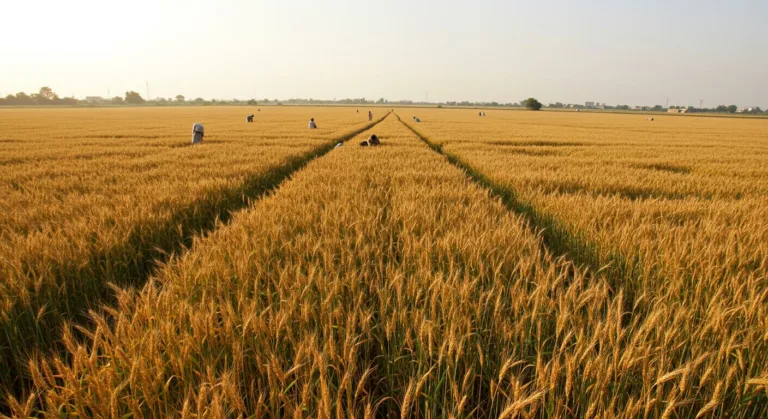
Picture vast golden waves rippling under the sun, that’s Punjab province for you, the heart of Pakistan’s wheat world. Punjab pumps out around 20 million metric tons of wheat each year, which is most of the country’s total. Sindh chips in about 5 million tons, while spots like Khyber Pakhtunkhwa add their share too. But zoom into Multan, a bustling city in southern Punjab, and you’ll find fields bursting with wheat alongside mango groves. Farms like those at Multanfarms.com highlight how this region mixes grains with fruits, using the rich soil and canals from the Indus River to keep things growing.
It’s all about the land and water. Pakistan has one of the world’s biggest irrigation systems, like a giant network of veins pumping life into the soil. Farmers plant wheat in the cool winter months, from October to December, and harvest it in spring, April to May. That’s the Rabi season, perfect for this crop because the weather’s just right, not too hot or rainy. Without these setups, wheat wouldn’t thrive, but with them, Pakistan ranks as the 8th biggest wheat maker globally.
Did you know? In 2024, Pakistan hit a record 31.4 million tons, but 2025 brought some dips due to dry spells. Still, that’s enough to fill massive silos and keep the flour mills humming!
How Do Farmers Grow This Golden Crop?
Growing wheat is like training for a big game, you need the right seeds, water, and timing. Farmers start by picking strong seeds, like the super variety called Akbar 2019, which packs extra zinc for better health and fights off bugs better. They plow the fields, scatter seeds about 20-30 cm apart, and cover them lightly with soil, just like tucking them into bed.
Water is key, so they rely on canals and tube wells, but it’s tricky. Too little, and plants get thirsty; too much, and roots drown. Fertilizers give a nutrient boost, like energy drinks for plants, helping them grow tall and strong. In irrigated spots like Multan, farmers aim for about 3 tons per hectare, but they could hit 6 tons with better tricks. When harvest time rolls around, combines (big machines like hungry monsters) zip through the fields, chomping stalks and spitting out grains.
It’s hands-on work. A farmer in Khanewal near Multan might wake at dawn, check the soil, and chat with neighbors about the latest weather app tips. Modern tools, like apps for pest alerts, make it easier, turning old-school farming into a tech-savvy quest.
Facing Tough Times: Weather and Other Challenges
Farming wheat isn’t always smooth sailing, it’s more like riding a rollercoaster. In 2025, dry weather hit hard, with 39% less rain from January to April, especially in southern areas like Sindh and Balochistan. This water stress shrank fields to 9.1 million hectares from a hoped-for 10.4 million, dropping output to about 28 million tons, a 10% slide from last year. Imagine your garden wilting because the hose ran dry, that’s what rain-fed farms face.
Pests and high costs add drama too. Fertilizer prices soared, making it tough for farmers like those in Punjab to afford the basics. Policy puzzles, like import floods, sometimes crash local prices, leaving growers feeling shortchanged. But hey, farmers protest and push for fair deals, showing their grit. In Multan, where canals help, things are steadier, but everyone dreams of smarter ways to beat the drought.
Fun twist: Some wheat varieties are like superheroes, bred to resist rust (a sneaky fungus), keeping fields safe without tons of chemicals.
From Field to Your Fork: Wheat’s Journey
Once harvested, wheat heads on an epic trip. Trucks haul golden bundles to mills, where machines grind them into fine flour, like a giant blender party. In Pakistan, most stays home for rotis and breads, but some exports add to the global mix.
At home, it’s transformed into everyday heroes. Think of your school lunch: wheat in the samosa wrapper or the biscuit for snack time. Farmers at spots like Multanfarms.com might sell straight to markets, ensuring fresh grains reach nearby kitchens fast. It’s a chain reaction, from soil to stomach!
Here’s a quick peek at the steps:
- Planting: Seeds go in during cool fall.
- Growing: Green shoots push up, fed by sun and water.
- Harvesting: Machines collect the ripe grains in spring.
- Milling: Turns into flour for baking magic.
Cool fact: One wheat kernel can make a tiny loaf all by itself if you plant it right!
Super Fun Facts to Wow Your Friends
Wheat’s got stories that’ll make you a trivia champ. First off, Pakistan’s wheat fields cover more ground than 10,000 soccer pitches, waving like oceans of gold in Punjab. Did you know wheat’s older than your favorite video game? Humans grew it 10,000 years ago, and today, all modern types have extra chromosomes (like bonus levels in DNA) for bigger yields.
Another zinger: In ancient tombs, pharaohs buried wheat seeds for the afterlife, hoping for eternal bread. And get this, Pakistan’s irrigation canals stretch longer than 100 marathons, quenching thirst for crops that feed 240 million people. Share that at lunch, and you’ll steal the show!
Why Wheat Matters to You and the World
Wheat in Pakistan isn’t just numbers on a farm report, it’s the glue holding families together over shared meals. From Multan’s fertile fields to your dinner table, it shows how hard work and nature team up to fight hunger. Even with 2025’s dry bumps dropping production to around 27.5-28 million tons, farmers keep innovating with tough seeds and smart water tricks. This crop boosts jobs, cash, and health, proving food security is everyone’s win.
So, why care? Because understanding wheat helps you appreciate the journey behind every bite, connecting you to farmers halfway around the world. Next time you spot a wheat field on a trip or help knead dough at home, think of the adventure it took to get there. What’s one way you’ll celebrate wheat this week, maybe bake some cookies or chat with a farmer online? Your turn to keep the story growing!