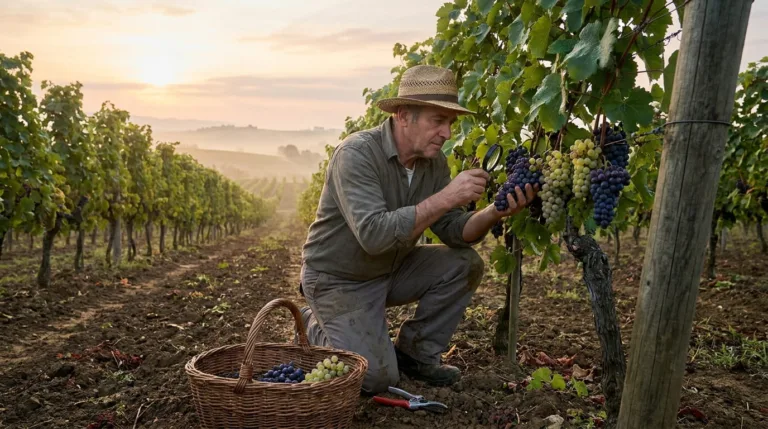
Imagine biting into a juicy, sweet grape on a hot summer day. Delicious, right? Now imagine that grape came from vines you planted and cared for yourself! Sounds pretty amazing, doesn’t it? But here’s what most people don’t realize: growing grapes isn’t just about sticking some seeds in the ground and waiting for fruit to appear. It’s actually part science, part art, and a whole lot of patience.
Grapes have been grown by humans for over 8,000 years, making grape cultivation one of the oldest farming practices in the world. Ancient civilizations from Egypt to Rome figured out how to turn these incredible fruits into wine, juice, and snacks. Today, grape farming is a massive industry worth billions of dollars globally, and it all starts with understanding how to properly grow these climbing plants.
Whether you’re dreaming of having your own backyard vineyard or you’re just curious about where your favorite snack comes from, learning about grape cultivation is fascinating. From choosing the right variety to dealing with pests that seem to love grapes as much as we do, there’s so much more to this process than meets the eye. Let’s dig into what it really takes to grow grapes successfully!
Picking Your Perfect Grape: It’s Not Just About Taste
Before you plant a single vine, you’ve got to make the most important decision in grape growing: which variety should you choose? This isn’t like picking your favorite flavor of ice cream, it’s way more complicated! There are over 10,000 grape varieties in the world, and each one has different needs, flavors, and purposes.
Table grapes are the ones you munch on straight from the bag. Popular varieties like Thompson Seedless, Red Globe, and Flame Seedless are bred to be sweet, crispy, and perfect for snacking. They’re usually bigger and have thicker skins than other types. If you’re growing grapes to sell at markets or just to enjoy fresh, these are your best bet.
Wine grapes are a totally different story. Varieties like Chardonnay, Merlot, and Cabernet Sauvignon are smaller, sweeter, and have seeds (yes, seeds!). They’re packed with more sugar and complex flavors that make them perfect for making wine. Even if you’re not planning to make wine, understanding the difference helps you pick the right grape for your goals.
Here’s the tricky part: not every grape grows well everywhere. Just like how polar bears wouldn’t do well in the desert, certain grape varieties need specific climates to thrive. Some grapes love hot, dry summers while others prefer cooler temperatures. Resources like Multanfarms.com can help you figure out which varieties work best in your specific area. Think of it like finding the right fish for your aquarium, you wouldn’t put a saltwater fish in freshwater, right?
Getting Your Ground Ready: The Foundation of Success
You wouldn’t build a house on quicksand, and you shouldn’t plant grapes in bad soil either! Preparing your land properly is absolutely crucial for grape cultivation. This step can make the difference between vines that produce tons of delicious fruit and vines that barely survive.
Soil testing is your first mission. Grapes prefer soil with a pH between 5.5 and 7.0, which is slightly acidic to neutral. Too acidic? Your grapes won’t absorb nutrients properly. Too alkaline? Same problem. You can buy simple soil test kits at garden stores for about $10-$20, or send samples to a lab for more detailed results. It’s like giving your soil a health checkup before you plant anything.
Drainage is another huge deal. Grapevines absolutely hate having “wet feet,” meaning they don’t want their roots sitting in water. If your soil holds water like a sponge, you’ll need to create raised beds or install drainage systems. Picture it this way: you wouldn’t want to wear wet socks all day, and grapevines don’t want soggy roots all season!
Before planting, most farmers add organic matter like compost or aged manure to improve soil structure. This helps with drainage, adds nutrients, and creates a healthy environment for beneficial microorganisms (tiny creatures that help plants grow). Mix in about 2-4 inches of compost into the top foot of soil. It’s kind of like making a perfect recipe, you’re creating the ideal “meal” for your future vines.
Planting Day: Starting Your Grape Journey Right
Alright, you’ve picked your variety and prepped your soil. Now comes the exciting part, actually putting those vines in the ground! But timing is everything in grape cultivation. Plant too early, and a late frost might kill your baby vines. Plant too late, and they won’t establish strong roots before winter.
The best time to plant is typically early spring after the last frost, or late fall before the ground freezes. The exact timing depends on your climate zone. In warmer areas, fall planting works great because the soil is still warm enough for roots to grow, but the cooler air prevents the vine from putting energy into leaves. In colder regions, spring planting is safer. Check local farming resources or sites like Multanfarms.com for specific timing in your area.
When you plant, dig a hole about 12 inches deep and 12 inches wide, basically the size of a basketball. If you’re planting multiple vines (and you probably are because grapes are social plants that do better in groups), space them 6-8 feet apart in rows that are 8-10 feet apart. This gives them room to spread out their roots and leaves without competing for resources.
Here’s a pro tip that beginners often miss: soak the roots in water for 3-4 hours before planting. Grapevines are often sold as bare-root plants (meaning no soil around the roots), and they can get pretty dried out during shipping. Soaking them is like giving a thirsty person a big glass of water, it helps them recover and get ready to grow. Spread the roots out in the hole, cover with soil, water thoroughly, and you’re off to the races!
The Support System: Why Grapes Need a Little Help
Here’s something that surprises a lot of new grape growers: grapevines can’t stand up on their own! They’re climbing plants that need support structures to grow properly. Without support, they’ll just sprawl on the ground like a lazy cat, and that’s not good for fruit production or plant health.
Trellises are the most common support system. Think of a trellis like a ladder or fence that the vine can climb. The simplest setup is a post-and-wire system where you drive sturdy posts into the ground every 15-20 feet and string heavy-gauge wire between them at different heights. The lowest wire is usually about 3 feet from the ground, with additional wires every 12-18 inches above that.
Building a trellis isn’t just about giving the vine something to grab onto, it’s also about air circulation and sunlight exposure. When grape leaves and fruit are up off the ground and properly spaced, air can flow freely around them. This reduces the risk of fungal diseases (like mildew) that love damp, crowded conditions. It’s similar to how hanging your wet towel to dry works better than leaving it in a pile.
Most grape growers install their trellises at the same time they plant, or even before. This prevents you from accidentally damaging roots later when you’re trying to drive posts into the ground around established vines. Materials aren’t super expensive, you’re looking at about $5-$15 per linear foot for a basic system. Sure, it’s some upfront work and cost, but it’s absolutely essential for successful grape cultivation.
Caring for Your Vines: The Daily (Well, Weekly) Grind
Once your grapes are planted and supported, the real work begins! Grapevines need regular attention throughout the growing season. Don’t worry though, it’s not like babysitting a puppy that needs constant attention. It’s more like having a pet fish that needs feeding and tank cleaning on a schedule.
Watering is critical, especially for young vines. For the first year, water deeply once or twice a week, giving each vine about 2-3 gallons. “Deeply” means you want the water to soak down at least 12 inches, encouraging roots to grow downward rather than staying shallow. Once established (after 2-3 years), grapevines are surprisingly drought-tolerant and often only need water during extended dry spells. Overwatering is actually more dangerous than underwatering because it can lead to root rot and weak growth.
Pruning is probably the most important and most intimidating task for beginners. Every winter when vines are dormant (not actively growing), you need to cut away most of the previous year’s growth. I know it sounds crazy, why would you cut away perfectly good vine? But here’s the secret: grapes produce fruit on new growth that sprouts from one-year-old wood. Pruning forces the vine to put its energy into fewer, healthier shoots that will produce better quality grapes.
Fertilizing is another key element. Grapevines aren’t super hungry plants, but they do need nutrients. A balanced fertilizer applied in early spring helps them start the season strong. Too much nitrogen, though, and you’ll get lots of leaves but not much fruit. It’s like if you ate nothing but protein, you’d build muscle but might not have energy for other things your body needs.
Dealing with Problems: When Things Get Tricky
Let’s be real, grape cultivation isn’t all sunshine and sweet fruit. There are some serious challenges you’ll face, and being prepared for them is half the battle. The good news? Most problems are totally manageable once you know what to look for!
Pests love grapes almost as much as we do. Birds are probably your biggest headache, they can strip a vine of ripe fruit in a single morning. Many growers use netting to cover their vines as harvest time approaches. Imagine it like putting a screen over your window to keep bugs out, same principle! Insects like Japanese beetles and grape berry moths can also cause damage. Regular inspection and early intervention (either with organic sprays or beneficial insects) can keep them under control.
Diseases are another major concern. Powdery mildew, a fungal disease that looks like someone dusted your leaves with baby powder, thrives in warm, humid conditions. Black rot can destroy entire crops by turning grapes into shriveled, rotten mummies (gross, right?). The best defense is prevention: proper spacing for air circulation, regular pruning, and removing fallen leaves and fruit that could harbor disease. Some growers also use organic or conventional fungicides during the growing season.
Weather can be your friend or your worst enemy. Late spring frosts can kill tender new growth. Hail can damage leaves and developing fruit. Too much rain near harvest can cause grapes to split and rot. While you can’t control the weather, you can choose resistant varieties for your area and use strategies like wind machines or overhead sprinklers (yes, spraying water actually protects from frost!) to minimize damage. Check out Multanfarms.com for specific advice on dealing with weather challenges in different regions.
Harvest Time: The Sweet Reward
After months of work, harvest time finally arrives! This is when all your effort pays off, literally. But here’s the thing, knowing exactly when to pick your grapes is more art than science. Pick too early and they’re sour and underdeveloped. Pick too late and they might be overripe or damaged by weather and pests.
Testing for ripeness involves several factors. Color is obvious, red grapes should be fully red, white/green grapes should be golden-yellow. But color alone doesn’t tell the whole story. Professional growers measure sugar content using a tool called a refractometer (it’s like a mini telescope that measures sweetness). For table grapes, you’re looking for at least 16-18% sugar content. The easiest test? Taste them! They should be sweet, flavorful, and have the texture you want.
Harvesting itself is pretty straightforward but labor-intensive. Most small growers do it by hand, using pruning shears to cut whole clusters from the vine. Be gentle, grapes bruise easily and damaged fruit won’t store well. Some people harvest in the cool morning hours to keep grapes fresh, while commercial wine grape growers sometimes even harvest at night!
Your Grape Growing Adventure Awaits
So, is growing grapes hard? Well, it’s definitely not a “plant and forget” kind of situation. It requires knowledge, preparation, regular maintenance, and problem-solving skills. But here’s the amazing part: thousands of people around the world successfully grow grapes, from massive commercial operations to tiny backyard vineyards. If they can do it, why couldn’t you?
The key is starting with realistic expectations, good information, and a willingness to learn as you go. Your first year might not produce perfect fruit, and that’s totally okay! Grape cultivation is a skill that improves with experience. Each season teaches you something new about your vines, your soil, and your local climate.
Whether you’re interested in growing a few vines for fresh eating or dreaming of a larger operation, the journey starts with taking that first step. What’s stopping you from planting your first grapevine this spring? Who knows, a few years from now, you might be the one sharing advice with other beginners!