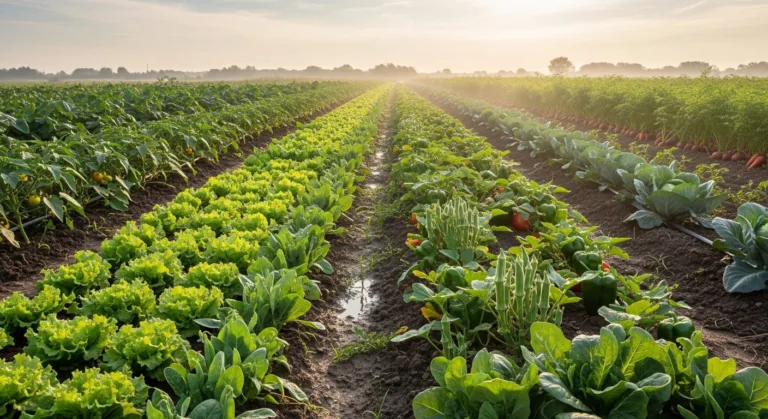
Have you ever heard your grandparents say something like, “Vegetables just don’t taste the same as they used to”? You might have rolled your eyes, thinking it’s just another “back in my day” story. But here’s the surprising truth: they’re actually right! Vegetables these days are really different from the ones people ate 50 or even 20 years ago. From how they’re grown to how they look on your plate, the vegetable world has transformed in some pretty wild ways.
Walk into any supermarket today and you’ll see rows of perfect-looking vegetables, all the same size and color, available year-round. Sounds great, right? Well, it’s complicated. Modern farming, technology, and global trade have changed vegetables in ways that are both amazing and concerning. Some changes have made vegetables more accessible and affordable, while others have affected their taste, nutrition, and even the environment.
At Multanfarms.com, we’re passionate about growing vegetables the right way while keeping up with modern times. So let’s dig into how vegetables have changed, why it happened, and what it means for you every time you bite into a carrot or crunch on a cucumber!
The Great Taste Mystery: Why Don’t Vegetables Taste Like They Used To?
Remember the last time you ate a store-bought tomato? It probably looked perfect, round and red, but when you bit into it, the taste was kind of… meh. That’s not your imagination! Many vegetables these days have less flavor than they used to, and scientists have actually proven it.
Here’s what happened: farmers started breeding vegetables to look good, last long, and grow fast, but they accidentally sacrificed flavor along the way. Think of it like this, imagine if someone tried to create the perfect student by only focusing on showing up on time and wearing neat clothes, but completely forgot about being smart or creative. The result would look good on the outside but be pretty disappointing overall.
Modern tomatoes, for example, have been bred to be firm so they don’t squish during shipping. Carrots are bred to be super straight so they look pretty in packages. But the genes that make vegetables taste amazing often got left behind in this process. It’s like breeding a dog to look cute but forgetting to keep it friendly!
The Size Surprise: Bigger Isn’t Always Better
Have you noticed that vegetables these days look like they’ve been hitting the gym? Modern strawberries are huge compared to wild ones. Chickens are bigger, corn cobs are longer, and bell peppers could practically be used as bowls. This didn’t happen by accident.
Farmers and scientists have been selecting the biggest, fastest-growing vegetables for decades. Why? Because bigger vegetables mean more food per plant, which means more money and more people fed. Sounds like a win, right? Not exactly. When vegetables grow super fast and super big, they often absorb less nutrients from the soil.
Here’s a mind-blowing fact: studies show that vegetables today have fewer vitamins and minerals than the same vegetables had in the 1950s! It’s like inflating a balloon, sure it gets bigger, but the material just stretches thinner. Modern vegetables have more water and less of the good stuff we actually need. So even though that giant zucchini looks impressive, your great-grandparents’ smaller zucchini was probably more nutritious!
The Travel Problem: Vegetables on a World Tour
These days, your vegetables might have traveled farther than you have! That cucumber you’re eating could have come from Mexico, those grapes from Chile, and those tomatoes from Holland. Modern transportation and refrigeration make it possible to eat almost any vegetable, any time of year, no matter where you live.
On one hand, this is pretty cool. You can have fresh strawberries in December and enjoy mangoes in March. But there’s a catch: vegetables lose nutrients over time. The longer they sit in trucks, planes, and warehouses, the less nutritious they become. Plus, to survive long journeys, vegetables are often picked before they’re fully ripe. That’s why store-bought produce sometimes tastes bland, it never got to finish developing its full flavor on the plant!
At Multanfarms.com, we believe in growing vegetables locally whenever possible. When vegetables travel shorter distances, they can be picked riper, reach you fresher, and taste way better. It’s the difference between a text message and a face-to-face conversation, both work, but one is definitely more satisfying!
The Chemical Question: What’s Really on Your Vegetables?
Here’s something that might surprise you: vegetables these days are often grown with synthetic fertilizers and pesticides that didn’t exist in your grandparents’ time. Modern farming relies heavily on chemicals to make plants grow faster, protect them from bugs, and increase yields.
Now, before you panic, most of these chemicals are tested and considered safe in small amounts. But here’s the thing: nobody really knows what happens when you eat tiny amounts of dozens of different chemicals over your entire lifetime. It’s like adding a drop of food coloring to water, one drop seems harmless, but what if you keep adding drops every day for years?
Pesticides are chemicals that kill insects and pests. They help farmers grow more food with fewer losses, which is important for feeding lots of people. But some pesticides can remain on vegetables even after washing. That’s why many people choose organic vegetables, which are grown without synthetic chemicals.
Synthetic fertilizers make plants grow super fast by dumping lots of nutrients into the soil all at once. But here’s the problem: plants are like students cramming for a test. Sure, they grow quickly, but they might not absorb everything properly. Natural fertilizers, like compost, release nutrients slowly, giving plants time to actually use them properly.
The Good News: Positive Changes Happening Now
Okay, so far this might sound pretty depressing, but hold on! Not everything about modern vegetables is bad. In fact, some changes are genuinely awesome.
First, we have way more variety available now than ever before. Your local grocery store probably sells vegetables from all over the world. Want to try bok choy, dragon fruit, or purple cauliflower? You can! This diversity in food options is actually great for your health because different vegetables contain different nutrients.
Second, modern farming techniques mean we can grow more food on less land. This is super important because the world’s population keeps growing. Technologies like hydroponic farming (growing plants in water instead of soil) and vertical farming (stacking plants in layers) help produce vegetables in places that couldn’t traditionally farm, like cities or desert areas.
Third, there’s a huge movement toward sustainable farming and organic growing. More farmers, including us at Multanfarms.com, are returning to natural methods that work with nature instead of against it. We’re learning that you can grow delicious, nutritious vegetables without relying so heavily on chemicals.
What You Can Do: Making Smart Vegetable Choices
So what does all this mean for you? How can you make sure you’re getting the tastiest, most nutritious vegetables possible? Here are some practical tips:
Buy local when you can: Farmers’ markets and local farms often sell vegetables that were picked recently, which means better taste and more nutrients. Plus, you’re supporting your community!
Look for seasonal vegetables: These are naturally fresher and usually cheaper because they’re abundant right now, not shipped from across the world.
Try growing your own: Even if it’s just a tomato plant on your balcony or herbs on your windowsill, homegrown vegetables taste incredible and you know exactly what went into growing them.
Don’t judge by appearance: That weird-looking, bumpy tomato at the farmers’ market might taste way better than the perfect, shiny one at the supermarket. Give “ugly” vegetables a chance!
Why This All Matters to You
Understanding how vegetables have changed helps you become a smarter consumer and a more informed eater. Every time you choose what vegetables to buy or eat, you’re basically voting for the kind of food system you want. Want tastier, more nutritious vegetables? Support local farmers and seasonal eating. Want vegetables available all year? That’s fine too, just know what trade-offs you’re making.
At Multanfarms.com, we’re committed to growing vegetables that taste great, pack nutritional value, and are grown responsibly. We believe that vegetables these days can be just as good as (or even better than) the vegetables of the past, as long as we focus on quality, not just convenience.
The vegetable world might have changed a lot, but that doesn’t mean we can’t change it for the better. What will you do differently next time you pick out vegetables? Will you seek out local farms, try seasonal eating, or maybe even start a small garden? The power to make vegetables great again is literally in your hands!