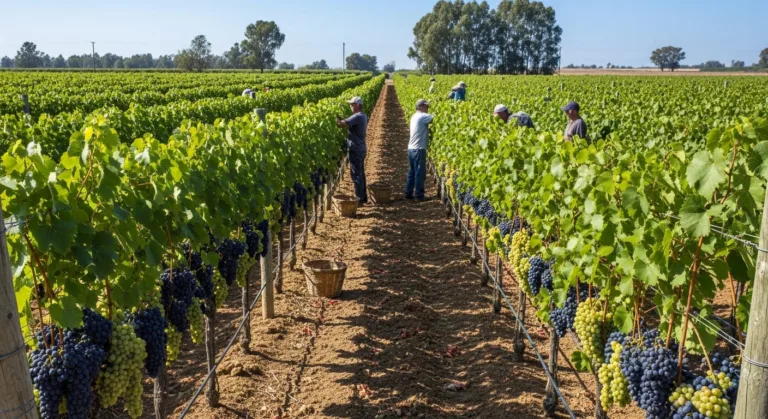
Have you ever walked past a grocery store’s produce section and wondered where all those grapes come from? Those plump, juicy bunches didn’t just magically appear on the shelves. Behind every grape is a farmer who carefully planned, planted, and nurtured a vineyard. But here’s a question that might surprise you: just how many grapes can a farmer grow on a single acre of land?
If you’re picturing endless rows of grapevines stretching across the countryside, you’re on the right track! An acre might not sound like much (it’s about the size of a football field without the end zones), but when it comes to grape production, that small piece of land can produce an incredible amount of fruit. Whether you’re a budding entrepreneur, a student working on a school project, or just someone who loves grapes, understanding grape production can open your eyes to the fascinating world of agriculture.
In this article, we’ll explore everything you need to know about grape production per acre. From the different types of grapes to the factors that affect how much you can grow, you’ll discover why some vineyards produce tons of grapes while others yield less. Let’s dive into the sweet world of grape farming!
What Exactly Is an Acre, and Why Does It Matter?
Before we talk about grapes, let’s get one thing straight: what’s an acre? An acre is a unit of measurement that farmers use to describe land area. Think of it as roughly 43,560 square feet, or about 75% of a standard American football field. When you walk from one end to the other, you’re covering quite a bit of ground!
Why does this matter for grape production? Well, farmers need to plan carefully. They can’t just throw grapevines anywhere and hope for the best. The number of vines you can fit on one acre, how you space them out, and how you care for them all affect your final harvest. It’s like organizing your school locker, if your locker could produce thousands of pounds of delicious fruit!
The Amazing Numbers Behind Grape Production
Here’s where things get really interesting. On average, one acre of well-maintained grapevines can produce anywhere from 3 to 6 tons of grapes per year. Yes, you read that right—tons! That’s between 6,000 and 12,000 pounds of grapes. To put this in perspective, that’s roughly the weight of three small cars or about 240,000 individual grapes!
But wait, there’s more to the story. The actual amount you can grow depends on several factors. Table grapes (the kind you eat fresh) typically produce around 8 to 10 tons per acre when everything goes right. These grapes are grown to be big, juicy, and perfect for snacking. Wine grapes, on the other hand, usually produce less, around 2 to 4 tons per acre. Why? Because winemakers actually prefer smaller yields. It’s kind of like concentrating flavor in a recipe, less quantity means more intense taste in every grape.
What Makes Some Vineyards Super Productive?
You might be wondering, why don’t all farmers just aim for the highest production possible? Great question! The truth is, grape production depends on a combination of factors, and farmers have to balance quality with quantity.
Climate and weather play a huge role. Grapes are kind of picky about where they want to grow. They love sunshine but also need cool nights. Too much rain can dilute the flavors, while too little water can stress the vines. Think of grapes like Goldilocks, they need everything to be just right! Regions like California, Italy, and France have ideal climates, which is why they’re famous for grape production.
Soil quality is another game-changer. Grapes actually prefer soil that’s not too rich. Sounds weird, right? But when vines have to work a little harder to get nutrients, they develop stronger root systems and produce better-quality fruit. It’s similar to how athletes train, a little challenge makes them stronger!
Vine spacing and training systems also matter a lot. Most farmers plant between 400 and 1,200 vines per acre, depending on the grape variety and what they’re growing them for. The way vines are trained (how they’re pruned and supported) affects how much sunlight reaches the grapes and how easy they are to harvest.
Table Grapes vs. Wine Grapes: The Big Difference
Not all grapes are created equal! If you’re planning to grow grapes or just curious about the industry, you need to know the difference between table grapes and wine grapes.
Table grapes are the ones you see at MultanFarms.com and other farm stores. They’re bred to be big, sweet, and seedless (because nobody likes crunching on seeds). Varieties like Thompson Seedless, Red Globe, and Flame Seedless can produce impressive yields. A well-managed acre of table grapes can give you 8 to 12 tons of fruit. These grapes need to look perfect because people are going to eat them fresh, so farmers spend extra time on appearance and size.
Wine grapes are a different story. Varieties like Cabernet Sauvignon, Merlot, and Chardonnay are grown for their intense flavors, not their looks. Winemakers actually prefer smaller grapes with thicker skins because that’s where the flavor compounds hide. An acre of wine grapes typically produces 2 to 5 tons, but those grapes pack a serious flavor punch. It’s quality over quantity all the way!
The Real Work Behind Those Numbers
Growing grapes isn’t as simple as planting a vine and waiting for fruit to appear. Farmers at places like MultanFarms.com put in serious work throughout the year to maximize production.
Pruning happens in winter when the vines are dormant. Farmers cut away old growth to encourage new, fruit-bearing branches. It might seem harsh, but it’s necessary. Think of it like getting a haircut, sometimes you need to trim the old to make room for the new!
Irrigation management is critical, especially in areas like Punjab where water can be scarce during certain seasons. Modern farmers use drip irrigation systems that deliver water directly to the roots, saving water while keeping vines healthy. Too much water and the grapes become watery and bland. Too little and the vines suffer.
Pest and disease control keeps farmers on their toes year-round. Insects, birds, fungi, and diseases can all damage crops. Many farmers now use integrated pest management, combining natural predators, careful monitoring, and targeted treatments to protect their vines without harming the environment.
From Vineyard to Your Table
Ever wonder about the journey your grapes take? Once grapes are harvested (usually by hand for table grapes to avoid bruising), they’re quickly cooled and packed. Timing is everything! Grapes don’t continue ripening after they’re picked, so farmers wait until they’re perfectly ripe before harvest.
At MultanFarms.com and similar operations, grapes are carefully sorted, with only the best bunches making it to market. The entire process from vineyard to your table can happen in just a few days, ensuring you get the freshest, tastiest grapes possible.
The economics are pretty interesting too. While wine grapes might produce fewer tons per acre, they often sell for higher prices. Table grapes produce more volume but need to meet strict appearance standards. Farmers have to decide what makes the most sense for their land, resources, and market.
Conclusion: The Sweet Science of Grape Production
So, how many grapes can you grow on one acre? As you’ve learned, the answer isn’t simple! It depends on whether you’re growing table grapes or wine grapes, your climate, soil quality, and how much care you put into your vineyard. On average, you’re looking at anywhere from 3 to 12 tons per acre, with table grapes on the higher end and wine grapes producing less but more flavorful fruit.
Understanding grape production per acre helps you appreciate the work that goes into every bunch you enjoy. Whether you’re buying grapes from MultanFarms.com or any other source, you now know that behind those juicy clusters is a farmer who carefully balanced hundreds of factors to bring you the best possible product.
Next time you pop a grape in your mouth, take a second to think about its journey. Pretty amazing, right? And who knows, maybe one day you’ll plant your own vineyard and discover the rewarding challenge of grape farming for yourself! What type of grapes would you want to grow?