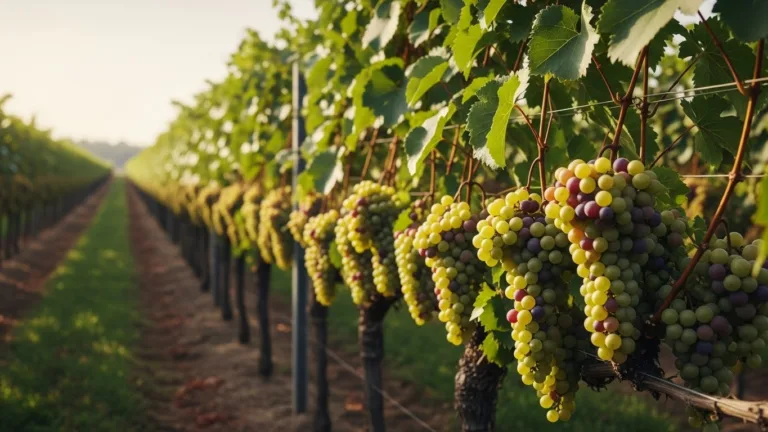
Imagine walking through rows and rows of grapevines, heavy with clusters of juicy grapes ready to be picked. Now picture trying to count every single grape on just one acre of land. Sounds impossible, right? Well, farmers don’t actually count individual grapes, but they do need to know exactly how much fruit their vineyard will produce. This measurement is called grape yield per acre, and it’s one of the most important numbers in grape farming.
Whether grapes are destined to become your favorite juice, turned into raisins for your lunch box, or transformed into wine, understanding how much a vineyard can produce helps farmers plan everything from harvest schedules to pricing. The fascinating thing is that grape yields can vary wildly depending on dozens of different factors, from the type of grape to the weather conditions.
In this article, we’ll explore the world of grape farming and discover what affects how many grapes can grow on a single acre of land. You’ll learn about the science behind grape production, the challenges farmers face, and why some vineyards produce way more grapes than others. Let’s dive into the surprising world of grape yields!
What Exactly Does Yield Per Acre Mean?
Before we go any further, let’s break down what we actually mean by “yield per acre.” An acre is a unit of land measurement that equals about 43,560 square feet. If you’re having trouble picturing that, think of it as roughly the size of a football field (without the end zones). That’s a pretty big area for growing grapes!
Yield simply refers to how much produce you get from that land. For grapes, farmers usually measure yield in tons per acre. So when someone says a vineyard produces 5 tons per acre, they mean that every football-field-sized chunk of land produces about 10,000 pounds of grapes! That’s roughly the weight of a full-grown elephant in grapes.
Different crops have different typical yields. For example, corn might produce 200 bushels per acre, while tomatoes could yield 25 tons per acre. Grapes typically fall somewhere in between, with most vineyards producing between 2 to 10 tons per acre, depending on what type of grapes they’re growing and how they’re managing their vines.
Why Do Different Vineyards Produce Different Amounts?
Here’s where things get really interesting. Not all grape farms produce the same amount of fruit, even if they’re the same size. In fact, two vineyards right next to each other could have completely different yields! So what’s going on? Let’s break down the major factors that affect grape production.
First up is the type of grape being grown. Wine grapes typically produce lower yields (around 2-4 tons per acre) because farmers intentionally limit production to concentrate the flavors. It’s kind of like making lemonade, if you use less water, you get a stronger, more intense flavor. Table grapes (the ones you eat fresh) usually produce higher yields, often between 6-10 tons per acre, because farmers want as many grapes as possible for selling in stores.
Climate and weather play a huge role too. Grapes love sunshine and need just the right amount of water. Too much rain can cause the grapes to swell up with water and split, while too little water stresses the vines and reduces production. Temperature matters as well. Most grape varieties thrive in areas with warm, dry summers and mild winters. That’s why regions like California, parts of Pakistan including Multan, and countries around the Mediterranean are famous for grape growing.
The age of the vines also makes a difference. Young grapevines (under 3-4 years old) don’t produce much fruit at all because they’re still establishing their root systems. Mature vines between 5-25 years old are usually at their peak production. Older vines might produce less fruit, but many farmers believe the quality is better, which is especially important for wine grapes.
How Do Farmers at Multanfarms.com Maximize Their Grape Yields?
At Multanfarms.com, growing high-quality grapes with good yields requires careful planning and expert knowledge. Farmers use several techniques to ensure their vineyards produce the best possible harvest. One of the most important factors is proper spacing between vines. If vines are planted too close together, they compete for nutrients, water, and sunlight. Too far apart, and you’re wasting valuable land. Most vineyards space their vines about 6-8 feet apart in rows that are 8-12 feet wide.
Irrigation management is another critical factor, especially in regions that don’t get consistent rainfall. Modern vineyards often use drip irrigation systems that deliver water directly to the roots of each vine. This is way more efficient than sprinklers because less water evaporates, and the vines get exactly what they need. Think of it like using a water bottle with a straw instead of pouring water over your head when you’re thirsty!
Farmers also practice something called canopy management, which means carefully pruning and training the vines so that sunlight reaches the grape clusters and air can circulate around them. This helps prevent diseases and ensures the grapes ripen evenly. During winter, farmers prune away old growth, and during the growing season, they remove excess leaves and shoots. It’s similar to getting a haircut so your hair grows healthier and stronger.
Soil quality can’t be ignored either. Grapes actually prefer soil that’s not super rich in nutrients. Too much nitrogen (a key nutrient in fertilizer) can cause vines to grow lots of leaves but fewer grapes. Many successful grape farmers test their soil regularly and add specific nutrients only when needed.
What’s Considered a Good Grape Yield?
So what numbers should farmers aim for? Well, it really depends on what they’re growing and why. For table grapes (the ones you snack on), a good yield is usually between 8-12 tons per acre. Some high-producing varieties in ideal conditions can even reach 15-20 tons per acre! These grapes are bred for size, sweetness, and shelf life, so farmers want as many as possible.
For wine grapes, the story is completely different. Premium wine producers often aim for lower yields of just 2-4 tons per acre. Why? Because lower yields mean each grape gets more nutrients and develops more concentrated flavors. It’s quality over quantity. Some of the world’s most expensive wines come from vineyards that produce less than 2 tons per acre!
Raisin grapes fall somewhere in the middle, with typical yields of 6-10 tons per acre. These grapes need to be sweet and dry well, so farmers balance production with sugar content. In regions like Multan, where the hot, dry climate is perfect for drying grapes into raisins, farmers have perfected techniques to maximize both yield and quality.
Here’s a fun comparison: if an average table grape vineyard produces 10 tons per acre, that’s about 20,000 pounds of grapes. The average grape weighs about 0.18 ounces, which means one acre could produce roughly 1.8 million individual grapes! That’s enough to fill more than 28,000 of those plastic clamshell containers you see at the grocery store.
What Challenges Do Grape Farmers Face?
Growing grapes isn’t all sunshine and sweet harvests. Farmers deal with plenty of challenges that can dramatically affect their yields. Pests and diseases are constant threats. Tiny insects like aphids and grape leafhoppers can damage vines and reduce production. Fungal diseases with names like powdery mildew and downy mildew can destroy entire crops if not controlled. Farmers have to constantly monitor their vineyards and take action at the first sign of trouble.
Weather extremes can be devastating. A late spring frost can kill new buds before they develop into grape clusters, cutting the year’s yield dramatically. Hailstorms can shred leaves and knock grapes off the vines. Extreme heat waves can literally cook the grapes while they’re still on the vine. There’s not much farmers can do about the weather except plan ahead and hope for the best.
Labor availability is another big challenge, especially during harvest season. Grapes often need to be picked by hand, which requires lots of workers during a very short time window. If the grapes get too ripe, they start to deteriorate quickly. Miss the optimal harvest window by even a few days, and you could lose a significant portion of your yield.
How Is Technology Changing Grape Farming?
Modern technology is revolutionizing how farmers grow grapes and increase their yields. Precision agriculture uses GPS, sensors, and drones to monitor vineyards in incredible detail. Farmers can now see exactly which parts of their vineyard need more water, which vines are stressed, and even predict when grapes will be perfectly ripe for harvest. It’s like having super-vision for your entire farm!
Weather stations and moisture sensors help farmers make better irrigation decisions. Instead of guessing when to water, they have real data showing exactly how much moisture is in the soil at any given time. Some advanced systems even automatically adjust irrigation based on weather forecasts and soil conditions.
Mechanical harvesters are becoming more common, especially for wine grapes and raisin grapes. These machines can harvest several tons of grapes per hour, doing the work of dozens of human pickers. While hand-picking is still preferred for premium table grapes (because machines can damage the delicate fruit), technology is making grape farming more efficient every year.
Scientists are also developing new grape varieties that are more resistant to diseases, can tolerate different weather conditions, and produce higher yields while maintaining quality. Through careful breeding and modern techniques, farmers have more options than ever for maximizing their production.
Wrapping It All Up
Understanding grape yields per acre isn’t just about numbers, it’s about appreciating the incredible skill and science that goes into growing the grapes we enjoy every day. From the careful planning of vine spacing to the precise timing of irrigation, every decision a grape farmer makes affects how much fruit their land will produce.
Whether you’re enjoying fresh grapes as a snack, munching on raisins in your trail mix, or learning about agriculture, remember that behind every grape is a farmer who’s worked hard to maximize their yield while maintaining quality. At Multanfarms.com, we’re committed to using the best practices and latest techniques to bring you premium grapes grown with care and expertise.
Next time you pop a grape in your mouth, think about the journey it took from a single vine in a vast vineyard to your hand. Pretty amazing, isn’t it? What other crops do you think would be interesting to learn about?