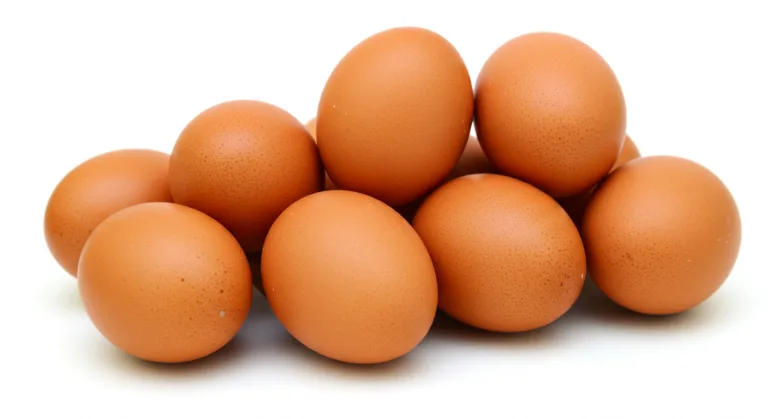
Imagine cracking open a warm, golden-yolked egg for your morning paratha, the kind that makes breakfast feel like a treat from grandma’s kitchen. But wait, have you ever peeked at the price tag and wondered why some eggs cost more than others? Those special ones, called desi eggs, come from free-roaming chickens that scratch around in the dirt like adventurous explorers, not cooped up in tight spaces. Today, on September 30, 2025, grabbing a dozen of these gems in Pakistan might set you back a bit, but they’re worth every rupee for their fresh, farm-fresh flavor.
Desi eggs are the stars of our local markets, laid by native breeds like the Aseel or Naked Neck chickens that strut freely on small farms. Unlike factory-farmed eggs, these come from birds that peck at bugs and greens, making the eggs richer in nutrients, almost like nature’s multivitamin. We’ll chat about what makes them so special, why their prices wiggle like a wiggly worm, and the going rate right now, hovering around PKR 500 to 550 per dozen in bustling spots like Multan. Stick around, and you’ll learn how farms like those spotlighted on Multanfarms.com keep this tasty tradition alive. By the end, you might dash to the market with new eyes for that egg carton.
Ready to scramble into the world of desi eggs? Let’s egg-splore what makes them the egg-cellent choice for your plate.
What Makes Desi Eggs the Cool Kids of the Coop?
Think of desi eggs as the homemade cookies at a bake sale, while regular farm eggs are the store-bought kind, quick but not as yummy. Desi eggs come from local Pakistani chicken breeds that roam yards or fields, eating whatever Mother Nature serves up, from insects to wild greens. This free-range life gives the eggs deeper orange yolks and a flavor that’s bolder, like biting into a sunset instead of a pale sunrise.
These chickens aren’t pampered pets; they’re tough survivors, just like the street-smart kids in your neighborhood who know every shortcut. A hen might lay fewer eggs than her caged cousins, maybe 150 to 200 a year versus 300, but each one packs more omega-3s and vitamins, good stuff that helps your brain zoom like a race car. Did you know? One study showed desi eggs have up to 25% more vitamin E than factory ones, turning breakfast into a brain boost.
In places like Punjab’s heartland, farmers on sites like Multanfarms.com raise these birds the old-school way, letting them dust-bathe and socialize. It’s not just about taste; it’s about supporting local heroes who keep traditions clucking along. So next time you spot those speckled brown shells, remember, they’re like a hug from the farm in every bite.
Why Do Prices for Desi Eggs Flip-Flop Like a Fish Out of Water?
Ever notice how candy prices jump during holidays? Egg prices do the same dance, and desi ones lead with fancy footwork. Right now, on September 30, 2025, a dozen desi eggs costs about PKR 500 to 550 across Pakistan, up a smidge from last month’s PKR 480 average. That’s roughly PKR 40 to 45 per egg, pricier than the PKR 300 for a dozen of regular farm eggs.
What flips the switch? Feed costs are the big boss; when corn or soybean prices spike due to floods or global drama, farmers pay more to keep hens happy. Imagine your snack budget doubling because fruit suddenly costs extra, that’s the squeeze. Then there’s seasonal vibes: Winter chills make birds lay less, so prices climb like a hill in a video game. Demand surges too, with folks craving hearty omelets when it’s cold.
Transport plays a sneaky role, trucking eggs from rural coops to city bazaars adds rupees, especially if fuel jumps. But hey, in Multan, where farms thrive, prices stay steadier at around PKR 520, thanks to short trips. It’s all connected, like a chain of dominoes, where one wobble in the weather tips the whole tray.
Cracking the Code: Today’s Price Breakdown Across Pakistan
Let’s zoom in on the numbers, because knowing the score helps you shop like a pro. As of today, September 30, 2025, desi egg prices vary by city, but they’re generally higher in the north and steadier down south. In Lahore, expect to pay PKR 540 for a fresh dozen, while Karachi’s humid markets keep it at PKR 510.
Here’s a quick city snapshot to make it easy:
- Lahore: PKR 530-550, thanks to big demand from foodie families.
- Karachi: PKR 500-520, with sea breezes keeping farms buzzing.
- Multan: PKR 510-530, where local spots like Multanfarms.com hook you up direct from the source.
- Islamabad: PKR 540-560, a tad higher from mountain hauls.
These are retail prices, what you’d hand over at the corner dukan. Wholesale drops to PKR 450-480 for big buyers, like hotels whipping up anda bhurji for crowds. Fun fact: Prices dipped 5% last week after good rains boosted feed crops, but watch for Eid spikes coming soon.
Why the spread? It’s like video game levels, easier in farm-heavy Punjab than import-reliant Balochistan. Check apps or sites daily, because eggs don’t wait, they roll with the market.
The Farm-to-Fork Journey: How Desi Eggs Hit Your Table
Picture a hen named Ruby clucking happily in a Multan backyard, dodging her feathered pals while hunting grubs. That’s the start of your desi egg’s epic quest. Small farms, often family-run, let birds free-range during the day, locking them safe at night from sneaky foxes. Come morning, collectors gently gather eggs, still warm like fresh-baked naan.
From there, it’s a bumpy ride in crates to local markets or straight to buyers via online hubs like Multanfarms.com, which connects farmers to city kitchens without the middleman markup. Analogy time: It’s like passing notes in class, quick and direct, skipping the gossip chain that adds extra cost. Once at the shop, eggs chill in trays, ready for you to snag.
Real-world win: In Faisalabad, one farm sells 500 dozen weekly direct, pocketing PKR 250,000 and keeping prices fair at PKR 515. Another example, Punjab’s co-op groups pool eggs for bulk deals, dropping costs by 10% for members. This journey isn’t glamorous, but it’s the backbone of why desi eggs taste like home, traveling just far enough to stay fresh.
Did you know? Free-range hens lay eggs with thinner shells from all that exercise, so handle with care, like a fragile smartphone screen.
Why Go Desi? Health Perks That’ll Make You Shell Out
Sure, desi eggs cost more, but they’re like upgrading from a basic bike to one with gears, smoother and stronger for the long haul. Packed with extra protein and healthy fats, they help build muscles for soccer games or crush that math homework focus. One dozen gives your family about 72 grams of protein, enough to fuel a whole day’s adventures.
Compare it to soda: A can gives quick fizz but no staying power, while desi eggs deliver steady energy without the crash. They’re also richer in antioxidants, fighting off germs like tiny superheroes in your tummy. In Pakistan, where malnutrition sneaks up on kids, choosing desi means smarter snacking, especially in rural spots where farms provide jobs too.
Take this example: A school in Okara switched to desi eggs for lunches, and teachers noticed kids had more zip during recess, all from those nutrient boosts. Or think of athletes in national games, swearing by desi omelets for that edge. It’s not just food, it’s fuel for dream-chasers, and at today’s prices, it’s an affordable win.
Tackling the Tough Shell: Challenges in Keeping Prices Egg-sistant
No story’s complete without a plot twist, and desi egg farming has a few. Climate chaos hits hard; scorching summers stress hens, cutting lays by 20%, which nudges prices up like a seesaw. Floods wash away coops, as seen in last year’s Sindh deluge, spiking costs temporarily to PKR 600.
Feed theft or shortages jack up bills too, since desi birds need space and scraps, not cheap pellets. Farmers face sneaky middlemen who skim profits, but platforms like Multanfarms.com fight back by linking sellers direct, saving 15% on the tag. Another hurdle: Disease outbreaks, like bird flu scares, make folks wary, but vaccines keep most farms safe.
Yet, hope hatches daily. Government subsidies on feed dropped prices 8% this quarter, and community farms share costs like a group project. It’s tough, but resilient, much like you bouncing back from a bad test score. These challenges remind us to value the effort behind every egg.
Wrapping It Up: Why Desi Eggs Are Worth the Hunt Today
We’ve cracked open the world of desi eggs, from their free-spirited farm origins to today’s PKR 500-550 price tag per dozen, dancing with feed costs and city vibes. We’ve seen how Multanfarms.com and local heroes keep the supply fresh and fair, turning clucks into community wins. These aren’t just eggs; they’re bursts of nutrition, tradition, and taste that make meals memorable.
This matters to you because in a world of fast food, desi eggs pull you back to roots, fueling growth one sunny yolk at a time. Affordable at heart, they support farmers and your health, proving small choices ripple big. So, next market run, grab that dozen and fry up some magic.
What if your family started a backyard coop? Could you crack the code to fresher, cheaper desi delights? Give it a whirl, and watch your breakfast adventure hatch!