Imagine biting into a piece of golden, nutty sweetness that melts in your mouth and leaves you wanting more. That’s the magic of Sohan Halwa, one of Pakistan’s most beloved traditional sweets! If you’ve ever visited Multan or received a gift from someone who did, chances are you’ve tasted this incredible treat. But have you ever wondered why some boxes of Sohan Halwa cost more than your weekly allowance, while others seem more affordable? Today, we’re going on a delicious journey to understand everything about Sohan Halwa pricing, especially when you’re buying a full kilogram of this famous sweet.
Whether you’re planning to buy some for your family, curious about why it costs what it does, or just love learning about Pakistan’s food traditions, you’re in the right place. We’ll explore what makes Sohan Halwa special, why prices vary so much, and how you can make smart choices when buying this tasty treat. Ready to become a Sohan Halwa expert? Let’s dig in!
What Exactly Is Sohan Halwa Anyway?
Before we talk about prices, let’s make sure we’re all on the same page about what Sohan Halwa actually is. This isn’t your regular candy or chocolate bar. Sohan Halwa is a traditional Pakistani sweet that comes from Multan, which is why it’s sometimes called Multani Sohan Halwa. Think of it as Pakistan’s version of a gourmet dessert, but way more special!
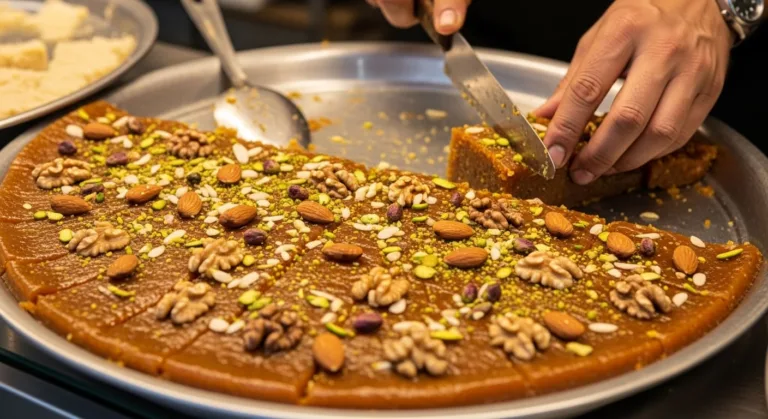
The main ingredients include corn flour, sugar, ghee (that’s clarified butter), milk, and lots of nuts like almonds and pistachios. The mixture gets cooked for hours until it reaches this amazing golden color and chewy texture. It’s kind of like making caramel, but much more complex and way more delicious. The nuts aren’t just sprinkled on top, they’re mixed throughout, giving you a crunchy surprise in every bite!
What makes Sohan Halwa really unique is the cooking process. Master halwa makers, some with skills passed down through generations, stir huge pots of this mixture for hours over controlled heat. It’s like watching someone create art, except the art is something you can eat!
The Price Range: What Can You Expect to Pay?
Now for the big question: how much does 1kg of Sohan Halwa actually cost? Well, buckle up because the answer isn’t as simple as you might think!
The typical price range for 1kg of Sohan Halwa in Pakistan falls between PKR 1,200 to PKR 3,000, depending on several factors we’ll explore in a minute. That’s quite a range, right? It’s like the difference between buying a basic backpack and a fancy branded one. Both do the job, but the quality and experience can be very different.
If you’re shopping from well-known shops in Multan or authentic online sources like Multanfarms.com, you might find premium varieties priced at the higher end of this range. These usually contain more expensive nuts, use pure ingredients, and follow traditional recipes exactly. On the other hand, more affordable options might use fewer nuts or slightly different ingredient ratios to keep costs down.
Here’s something interesting: during special occasions like Eid, weddings, or festive seasons, prices can jump up by 10 to 20 percent! It’s basic supply and demand, just like how movie tickets cost more on weekends. Everyone wants Sohan Halwa for celebrations, so sellers sometimes increase their prices.
Why Does the Price Vary So Much?
You might be thinking, “Why can’t all Sohan Halwa just cost the same?” Great question! Several factors affect the final price tag, and understanding them helps you make better buying decisions.
Ingredient quality is probably the biggest factor. Real Sohan Halwa uses pure desi ghee, which is more expensive than regular oil or cheaper substitutes. It’s like comparing fresh orange juice to the powdered kind, both are called juice, but they’re totally different! Premium Sohan Halwa also packs in more nuts. Since almonds, pistachios, and cashews are pricey, more nuts means a higher price tag.
Brand reputation and authenticity matter too. Famous shops in Multan that have been making Sohan Halwa for decades charge more because they’ve built trust over time. People know they’re getting the real deal, not some imitation. It’s similar to why name-brand sneakers cost more than knock-offs, you’re paying for guaranteed quality and tradition.
Packaging also plays a role. Fancy boxes with beautiful designs and secure packaging cost money to produce. If you’re buying Sohan Halwa as a gift, you might want that pretty presentation. But if you’re just buying it for home, simpler packaging can save you some cash.
Don’t forget about location and delivery costs! Buying directly from Multan is usually cheaper than getting it shipped to Karachi or Islamabad. Shipping adds extra costs, especially if the seller uses special temperature-controlled packaging to keep the halwa fresh. Think of it like food delivery apps, the food might be cheap, but delivery fees can add up!
Where Should You Buy Your Sohan Halwa?
Knowing where to shop is half the battle won! Different buying options offer different advantages, and the best choice depends on what matters most to you.
Traditional shops in Multan are the gold standard. If you’re lucky enough to visit Multan, head straight to the famous halwa shops in the old city area. You’ll get authentic taste, competitive prices, and the full experience of watching halwa makers at work. Plus, you can sample before buying, which is always awesome!
Online platforms like Multanfarms.com have made it super easy to get authentic Multan Sohan Halwa delivered anywhere in Pakistan. The convenience factor is huge, you order from your phone, and it arrives at your doorstep. Prices might be slightly higher due to shipping, but many people think it’s worth it. Just make sure you’re buying from reputable sources to avoid fake products.
Local sweet shops in major cities sometimes sell Sohan Halwa, but here’s where you need to be careful. Not all of them sell authentic Multani Sohan Halwa. Some make their own versions that might look similar but don’t taste quite the same. It’s like comparing homemade pizza to the one from your favorite pizzeria, both are pizza, but the experience differs!
Gift shops at airports or tourist spots definitely carry Sohan Halwa, but brace yourself for higher prices. These places know travelers are willing to pay extra for convenience. You might pay 20 to 30 percent more than regular market prices, but if you’re in a rush or forgot to buy gifts, they’re a lifesaver.
How to Spot Good Quality Sohan Halwa
Not all Sohan Halwa is created equal! Here are some tricks to help you identify quality stuff, so you don’t waste your money on subpar sweets.
Color matters! Authentic Sohan Halwa has a rich golden-brown color, almost like caramel or honey. If it looks too pale or too dark, something might be off. The golden color comes from proper cooking time and quality ingredients. It’s like checking if bread is properly toasted, the color tells you a lot!
Check the nut content. Good quality Sohan Halwa should have plenty of visible nuts throughout, not just on top. Hold a piece up to the light, can you see almond and pistachio pieces mixed in? If nuts are scarce, you’re probably looking at a cheaper version. Quality halwa should give you nutty bites consistently, not just occasionally.
Texture is a dead giveaway. Real Sohan Halwa is chewy but not sticky on your teeth. It should have some resistance when you bite it but still melt in your mouth. If it’s too hard, it might be old or improperly made. If it’s too soft or crumbly, the recipe might be off.
Smell the aroma! Fresh Sohan Halwa smells amazing, like roasted nuts mixed with caramel and ghee. If it smells off or has no smell at all, stay away. Your nose knows quality, trust it!
Getting the Best Value for Your Money
Now that you know what affects prices and how to spot quality, let’s talk about getting the best bang for your buck. After all, nobody wants to overpay or end up with disappointing halwa!
Buy in bulk if you can. Many shops offer discounts when you buy multiple kilograms at once. If you have a wedding or big celebration coming up, buying 3 to 5 kg together can save you 10 to 15 percent per kilogram. Just make sure you can store it properly (it stays fresh for several weeks in an airtight container).
Compare prices across different sellers before committing. Check online platforms, local shops, and direct Multan sellers. Prices can vary by PKR 300 to 500 per kilogram for the same quality! A little research goes a long way. It’s like checking different stores before buying that video game you want.
Look for seasonal deals and offers. Some online platforms run promotions during off-peak seasons. You might find premium Sohan Halwa at regular prices when demand is lower. Sign up for newsletters from authentic sellers to stay informed about special offers.
Consider buying directly from source. If you have family or friends visiting Multan, ask them to bring some back! You’ll save on shipping costs and probably get fresher halwa too. Direct buying cuts out the middleman, which means lower prices for you.
Making Your Purchase Decision
So you’re ready to buy, but you’re still wondering which option to choose. Let me break it down for you based on different situations.
If you’re buying for a special gift, go for premium quality even if it costs more. The person receiving it will appreciate the authentic taste and quality. Presentation matters too, so opt for nice packaging. Think of it as buying a birthday present, you want it to feel special!
For regular home consumption, mid-range options work perfectly fine. You don’t need the fanciest packaging or the absolute highest nut content. Focus on authentic taste at reasonable prices. Places like Multanfarms.com often offer good quality at fair prices for personal use.
If you’re trying Sohan Halwa for the first time, start with a smaller quantity, maybe 250 or 500 grams. This lets you experience it without committing to a full kilogram. Once you find a brand you love, then go for the bigger quantities.
Wrapping Up Our Sweet Journey
We’ve covered a lot of ground about Sohan Halwa pricing! From understanding that 1kg typically costs between PKR 1,200 to PKR 3,000, to learning what affects these prices and how to spot quality, you’re now equipped to make smart buying decisions. Remember, the cheapest option isn’t always the best, but the most expensive isn’t automatically superior either. It’s all about finding that sweet spot (pun intended!) between quality, authenticity, and price.
Whether you’re shopping from traditional Multan shops, trusted online sources like Multanfarms.com, or local sweet stores, use the tips we’ve discussed to evaluate your options. Check ingredient quality, compare prices, look at nut content, and trust your senses.
So here’s my question for you: when will you try your next piece of authentic Sohan Halwa, and will you look at it differently now that you know what goes into its pricing? Maybe it’s time to treat yourself or surprise someone special with this golden Pakistani treasure!