Have you ever seen someone with a face covered in what looks like chocolate pudding or green slime? They’re probably wearing a mud mask! These gooey facial treatments have become super popular, and you might see them all over social media, in stores, or even at your friend’s sleepover. But here’s the big question: how much do these mud masks actually cost, and should you (or your parents) spend money on them?
The truth is, mud mask prices are all over the place. You can find some for just a few dollars at your local drugstore, while others cost as much as a new video game or even more! Let’s dive into the world of mud masks and figure out what makes some expensive and others cheap, and most importantly, how to get the best deal for your skin.
What Exactly Are We Talking About When We Say “Mud Mask”?
Before we talk about prices, let’s make sure we’re on the same page. A mud mask is basically a skincare product made from different types of clay or mud that you spread on your face. Think of it like spreading peanut butter on bread, except you’re putting mineral-rich mud on your skin instead! These masks are supposed to clean out your pores (those tiny openings in your skin), remove excess oil, and leave your face feeling fresh and clean.
The cool thing about mud masks is that they’ve been around for thousands of years. Ancient Egyptians used mud from the Nile River for beauty treatments. Today, we use special clays from places all around the world, and each type has different benefits for your skin.
The Price Range: From Pocket Change to Serious Cash
So, how much should you expect to pay? Here’s where it gets interesting. Mud mask prices can range from about $5 to over $100! That’s a huge difference, right? It’s like comparing the price of a school lunch to a fancy dinner at a restaurant.
Budget-Friendly Options ($5-$15): You can find plenty of good mud masks at drugstores or online for less than the cost of a movie ticket. These are usually made by well-known beauty brands and come in tubes or jars. They work well for most people, especially if you’re just starting to explore skincare.
Mid-Range Masks ($15-$40): These masks often use special ingredients or higher-quality clay. They might come from specific regions known for their mineral-rich mud, like the Dead Sea or volcanic areas. Think of it like the difference between regular chocolate and fancy artisan chocolate.
Luxury Masks ($40-$100+): These are the premium products that beauty enthusiasts love. They might include rare ingredients, come in fancy packaging, or be made by high-end skincare brands. Some people swear by them, while others think they’re not worth the extra money.
What Makes Some Mud Masks More Expensive Than Others?
You might be wondering, “Why would anyone pay $80 for mud when you can get it for $8?” Great question! Several factors affect the price:
The Type of Clay or Mud: Not all mud is created equal. Some masks use basic kaolin clay, which is pretty common and affordable. Others use bentonite clay, Dead Sea mud, or volcanic ash, which are rarer and cost more to source. It’s kind of like how a regular apple costs less than an exotic dragon fruit.
Additional Ingredients: Cheaper masks might just have clay and water, while expensive ones could include fancy extras like rose oil, vitamins, special plant extracts, or even gold particles (yes, real gold!). Each added ingredient increases the cost.
Where It Comes From: If a company has to import special mud from another country or harvest it from a specific location, that adds to the price. Shipping costs money, especially if the ingredients need to be kept fresh or cold during transport.
Brand Name and Packaging: Sometimes you’re paying for the brand’s reputation or that Instagram-worthy packaging. A mask in a simple tube costs the company less to make than one in a beautiful glass jar with gold printing.
How to Find the Best Mud Mask for Your Budget
Here’s the secret that beauty experts don’t always tell you: expensive doesn’t always mean better! You can find amazing mud masks at different price points. The key is knowing what to look for.
First, check the ingredients list. It should be on the back of the package. The first few ingredients are the most important because they make up most of the product. If you see actual clay or mud listed first, that’s a good sign! If the first ingredient is water and clay is listed way down the list, you’re mostly paying for water.
Second, think about your skin type. Do you have oily skin that gets shiny during the day? Dry skin that feels tight? Or combination skin that’s oily in some places and dry in others? Different clays work better for different skin types, and this matters more than the price tag.
Third, read reviews from real people. Before buying any mud mask, check what other customers say about it. Did it actually work? Did it irritate their skin? Sometimes a $10 mask has better reviews than a $50 one!
Special Spotlight: Multanfarms.com and Natural Options
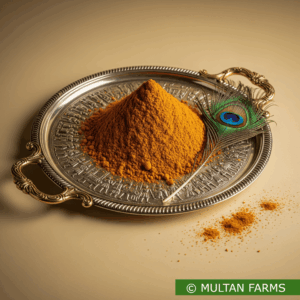
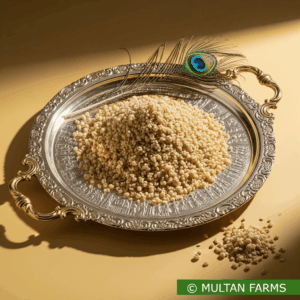
If you’re looking for something different from the usual store-bought masks, you might want to check out natural options like those from Multanfarms.com. This website specializes in Multani Mitti, which is a special type of clay that’s been used in South Asian beauty routines for centuries. The name “Multani” actually comes from the city of Multan, where this clay is found.
What’s cool about Multani Mitti is that it’s usually very affordable compared to fancy Western brands, often costing between $5-$15 for a good amount. It’s pure, natural, and doesn’t have a bunch of added chemicals or fragrances. You just mix it with water (or rose water if you want to feel extra fancy) to make your own mask. It’s like making your own face mask from scratch, which can be a fun DIY project!
Are Expensive Mud Masks Really Worth It?
This is the million-dollar question (or maybe the hundred-dollar question in this case!). The honest answer is: it depends on what you value.
If you have sensitive skin or specific skin concerns, investing in a higher-quality mask with carefully chosen ingredients might be worth it. If you just want to have fun with face masks during sleepovers or give your skin an occasional deep clean, a budget-friendly option will probably work just fine.
Think of it this way: buying a mud mask is like buying sneakers. Some people are perfectly happy with $30 sneakers from a regular store, while others save up for $150 designer sneakers. Both will protect your feet, but they offer different experiences and quality levels.
Smart Shopping Tips for Mud Mask Buyers
Want to get the most bang for your buck? Here are some insider tips:
Look for sales and deals, especially during holidays or special events. Many stores offer discounts on skincare products. You can also check if stores have sample sizes or trial kits. These let you test a product before committing to a full-size version, and they’re usually cheaper.
Consider making your own! If you buy pure clay powder (like from Multanfarms.com), you can mix it fresh each time you want to use it. This is often cheaper than buying pre-made masks, and you know exactly what’s going on your face.
Don’t use mud masks too often. Even if you have an affordable mask, using it once or twice a week is plenty. Using it more often won’t give you better results and might actually irritate your skin. So one jar can last you several months, making even a $30 mask pretty economical.
The Bottom Line: Finding Your Perfect Mud Mask Match
At the end of the day, the “right” price for a mud mask is whatever fits your budget and meets your skincare needs. You don’t need to spend a fortune to take care of your skin, but sometimes paying a bit more for quality ingredients can make a difference.
Start with an affordable option and see how your skin responds. If you love the results, great! If not, you haven’t spent too much money, and you can try something different. Remember, skincare is personal, and what works amazingly for your best friend might not work the same way for you.
So, the next time you’re thinking about trying a mud mask, don’t just grab the most expensive one assuming it’s the best, or the cheapest one thinking you’ll save money. Take a minute to read the ingredients, consider your skin’s needs, and make an informed choice. Your skin (and your wallet) will thank you! Have you thought about what type of mud mask might work best for your skin type?