Have you ever tasted something so delicious that you couldn’t stop thinking about it for days? For people in Pakistan and food lovers around the world, Multani halwa is exactly that kind of treat. This rich, golden dessert from the city of Multan has been making mouths water for generations. But here’s a question that pops up whenever someone craves this sweet delight: how much does Multani halwa actually cost, and why does the price seem to vary so much?
If you’ve ever walked through the bustling streets of Multan or browsed online stores like Multanfarms.com, you’ve probably noticed that Multani halwa doesn’t come cheap. Unlike a regular candy bar you might grab at a convenience store, this special dessert carries a price tag that makes you pause and think. But there’s a fascinating story behind those numbers, one that involves tradition, quality ingredients, and the skilled hands of master halwa makers who’ve been perfecting their craft for decades.
In this article, we’re going to dive deep into the world of Multani halwa pricing. You’ll discover what factors determine how much you’ll pay, why authentic Multani halwa costs more than regular sweets, and how to make sure you’re getting the real deal when you decide to treat yourself or your family.
What Exactly Is Multani Halwa, Anyway?
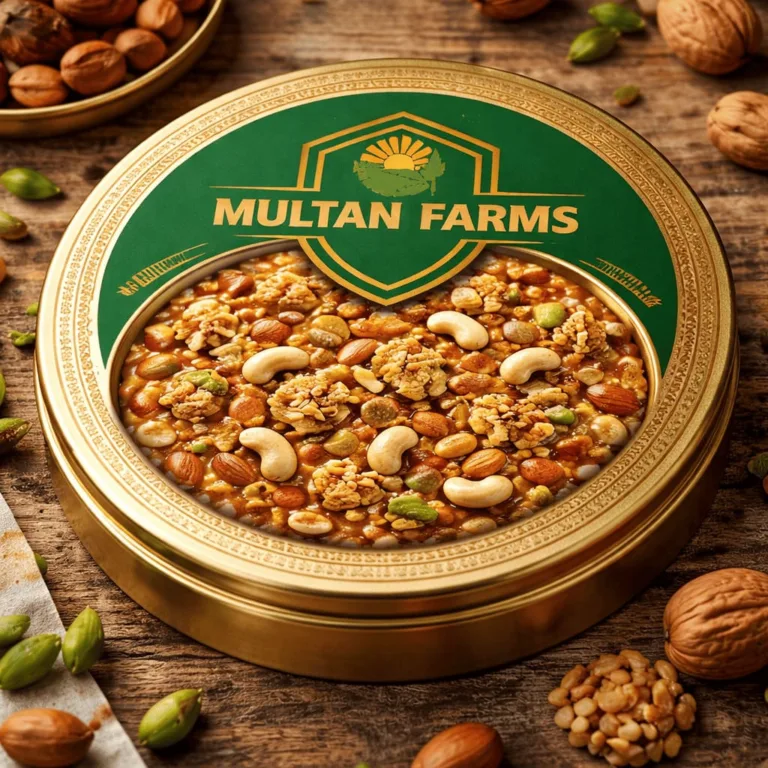
Before we talk about prices, let’s make sure we’re on the same page about what Multani halwa actually is. Imagine taking pure ghee (that’s clarified butter, which tastes incredibly rich), mixing it with high-quality flour, sugar, and a blend of aromatic spices, then cooking everything slowly until it transforms into a glossy, translucent dessert that practically melts in your mouth. That’s Multani halwa in a nutshell.
What makes this halwa special isn’t just the ingredients, it’s the technique. Traditional halwa makers, called “halwais,” spend hours stirring massive pots over open flames. The mixture needs constant attention because one wrong move can ruin the entire batch. Think of it like trying to make the perfect pancake, if you flip it too early, it falls apart, and if you wait too long, it burns. Except with Multani halwa, you’re stirring continuously for several hours instead of just a few minutes.
The city of Multan, located in the Punjab province of Pakistan, has been famous for this dessert for centuries. The hot climate, the quality of local ingredients, and generations of family recipes have all combined to create something truly unique. When you buy authentic Multani halwa, you’re not just buying a sweet, you’re buying a piece of culinary history.
Breaking Down the Price: What Are You Actually Paying For?
So, let’s get to the big question: how much does Multani halwa cost? The answer isn’t as simple as you might think. Prices can range anywhere from 800 to 2,500 Pakistani Rupees per kilogram, depending on several important factors. That’s roughly the equivalent of spending anywhere from $3 to $9 USD, though exchange rates can change.
Why such a big difference? Well, imagine you’re buying a pizza. A frozen pizza from the grocery store costs way less than a handmade pizza from a fancy Italian restaurant, right? The same principle applies here. Premium, authentic Multani halwa from established shops or trusted online sources like Multanfarms.com will cost more than mass-produced versions you might find in regular sweet shops.
Here’s what you’re really paying for when you buy quality Multani halwa. First, there’s the pure desi ghee. Real Multani halwa uses tons of ghee, not cheap vegetable oil or margarine. Good ghee is expensive because it’s made from real butter, and it takes a lot of milk to make butter. Second, you’re paying for skill and time. Remember those halwais we mentioned? They’re not pressing a button on a machine. They’re using techniques passed down through generations, standing over hot stoves for hours. Third, there’s the reputation factor. Well-known halwa makers who’ve built their reputation over decades can charge more because customers trust them to deliver consistent quality.
Why Does the Same Halwa Cost Different Amounts in Different Places?
Here’s something interesting that might surprise you. If you walk into a sweet shop in Multan itself, you might pay one price. But if you order the same halwa online through a website like Multanfarms.com and have it shipped to Karachi or Lahore, you’ll probably pay more. Does that mean you’re being ripped off? Not necessarily.
Think about it like this: when you buy something online, there are extra costs involved that don’t exist in a physical store. The halwa needs to be packaged carefully so it doesn’t get crushed or spoiled during shipping. It needs to be kept at the right temperature, especially during Pakistan’s scorching summers. Then there’s the actual shipping cost, insurance, and the website’s operating expenses. All of these things add up.
Seasonal factors also play a huge role in pricing. During special occasions like Eid, weddings, or religious celebrations, the demand for Multani halwa skyrockets. When everyone wants the same thing at the same time, prices naturally go up. It’s the same reason concert tickets cost more for popular shows or why hotel rooms are pricier during vacation season. Sweet shops know they can sell every kilogram they make during these busy times, so they adjust their prices accordingly.
Location matters too. A shop located in an expensive commercial area in a big city has higher rent and operating costs than a small shop in a residential neighborhood. Those costs get passed on to customers through higher prices.
How to Spot Genuine Multani Halwa and Avoid Getting Fooled
Now here’s where things get tricky. Because authentic Multani halwa commands good prices, some sellers try to cut corners to increase their profit margins. They might use cheaper ingredients, add artificial colors, or rush the cooking process. The result looks similar but tastes completely different. So how can you tell if you’re getting the real deal?
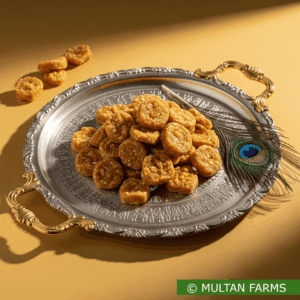
Authentic Multani halwa has a distinctive appearance and texture. It should be translucent, almost like you can see through it when you hold a thin piece up to the light. The color should be a natural golden or amber shade, not bright orange (that usually means artificial coloring). When you press it gently, it should feel slightly firm but also soft, kind of like a really thick jelly. If it’s too hard or crumbly, that’s a red flag.
The taste test is your ultimate weapon. Real Multani halwa made with pure ghee has a rich, complex flavor that lingers in your mouth. You should taste the ghee, the subtle sweetness, and hints of cardamom or other spices. If it tastes overly sweet with no other flavors or leaves a greasy, artificial feeling in your mouth, you’ve probably got a cheap imitation.
When buying online from sites like Multanfarms.com, check customer reviews carefully. Look for comments about taste, texture, and whether the halwa arrived fresh. Reputable sellers will also provide information about their ingredients and preparation methods. Don’t be afraid to ask questions before you buy.
Is Paying More for Quality Multani Halwa Actually Worth It?
Let’s be honest, when you see a price difference of 1,000 rupees or more between two boxes of what looks like the same halwa, you might wonder if the expensive one is really that much better. Should you just save your money and go with the cheaper option?
Here’s my take on it: quality ingredients matter, especially when it comes to food. Cheap halwa made with vegetable oil instead of ghee might fill your stomach, but it won’t give you that authentic experience. It’s like comparing a homemade burger made with fresh ingredients to a fast-food burger, both are burgers, but they’re in completely different leagues.
Plus, think about how much halwa you actually need. Unlike everyday snacks, Multani halwa is usually bought for special occasions or as a treat. Most families don’t eat it every single day. So even if you’re paying 2,000 rupees for a kilogram of premium halwa, you’re probably buying it only a few times a year. When you break it down like that, spending extra for quality doesn’t seem quite so expensive.
There’s also something to be said for supporting traditional craftsmanship. When you buy authentic Multani halwa from skilled halwais, you’re helping keep an old tradition alive. You’re supporting families who’ve been making this dessert for generations and ensuring that future generations can still enjoy the real thing.
Smart Shopping Tips for Getting the Best Value
Want to enjoy delicious Multani halwa without breaking the bank? Here are some strategies that actually work. First, buy in bulk during off-peak times. If you’re not in a rush and it’s not a holiday season, you can often negotiate better prices or find special offers. Many online stores like Multanfarms.com offer discounts for larger orders.
Second, compare prices from multiple sources, but don’t automatically go with the cheapest option. Create a shortlist of three or four reputable sellers, check their prices, read reviews, and then make your decision based on the overall value, not just the lowest price.
Third, consider buying directly from Multan if you have the chance. If you’re visiting the city or know someone who lives there, purchasing halwa locally can save you shipping costs. Just make sure you know how to store it properly for the journey home.
Finally, learn to recognize quality so you know when a high price is justified and when it’s not. The more you understand about what makes good Multani halwa, the better equipped you’ll be to spot fair prices and avoid overpriced imitations.
Wrapping It All Up: Making Your Multani Halwa Purchase Count
So, how much does Multani halwa cost? As we’ve discovered, the answer depends on quality, location, season, and whether you’re buying from a premium source. But here’s what really matters: understanding what you’re paying for helps you make smarter choices.
Whether you’re browsing Multanfarms.com or visiting a local sweet shop, remember that authentic Multani halwa represents hours of skilled work, quality ingredients, and a centuries-old tradition. Yes, it costs more than regular sweets, but that higher price often reflects genuine value rather than markup.
The next time you’re craving that rich, melt-in-your-mouth goodness of real Multani halwa, you’ll know exactly what to look for and why certain prices make sense. You’ll be able to spot the difference between authentic craftsmanship and cheap imitations. And most importantly, you’ll be able to enjoy every delicious bite knowing you made an informed choice.
So here’s my question for you: when it comes to special treats that connect you to tradition and culture, is paying a little extra for the real thing worth it? Based on what you’ve learned today, what would you choose?