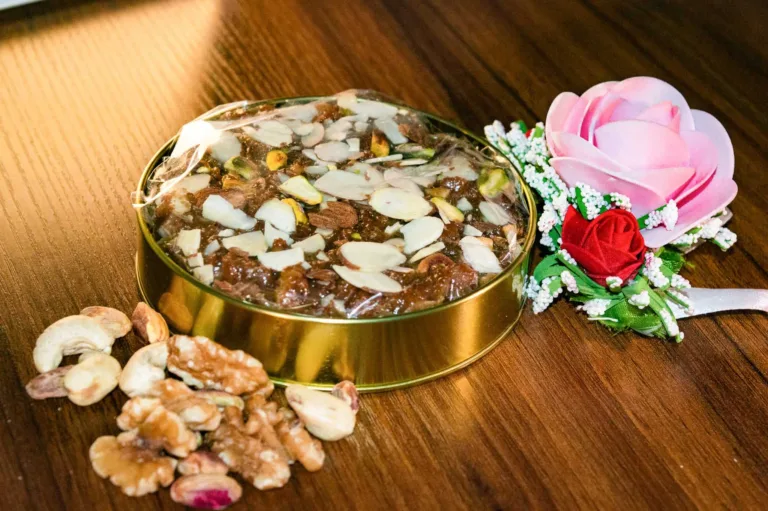
Imagine walking through the bustling streets of Multan, where the air smells like warm ghee and sweet sugar, and suddenly you spot a shop piled high with golden slabs of a mysterious treat. That treat is Multani Sohan Halwa, a sticky, nutty sweet that’s like a hug from your grandma in dessert form, rich and comforting all at once. Have you ever wondered why this halwa is so famous, or what makes it worth every penny? It’s not just candy; it’s a piece of Pakistan’s sweet history, born in the sunny city of Multan.
In this adventure, you’ll learn all about what Multani Sohan Halwa is, how it’s made with love and secret tricks, and yes, even the prices you’ll find right there in Multan. We’ll chat about the best spots to grab a box and some fun ways to enjoy it at home. By the end, you might be dreaming of your next trip to Multan or whipping up your own mini version. Ready to dive into this sugary story?
Multan isn’t just known for its ancient forts or juicy mangoes; it’s the halwa hotspot of Pakistan. Families have been perfecting this recipe for generations, turning simple ingredients into something magical. Stick around, and you’ll see why knowing the price in Multan can help you snag the real deal.
What’s the Big Deal with Multani Sohan Halwa?
Multani Sohan Halwa is like the rockstar of Pakistani sweets, famous for its chewy texture and bursts of nutty flavor that make your taste buds dance. Made mostly in the winter when the weather is just right for slow cooking, it’s a dense treat packed with desi ghee (that’s clarified butter from local cows, super rich and yummy) and chopped nuts like almonds or pistachios. The name “Sohan” comes from an old Persian word meaning “beautiful” or “pleasant,” which fits because one bite, and you’ll agree it’s pretty amazing.
Why is it so special to Multan? This city, with its hot days and cool nights, has been crafting halwa since Mughal times, over 300 years ago, when traders brought ideas from Persia and India. It’s not fluffy like other halwas; it’s solid and sliceable, perfect for gifting in shiny tins. Did you know it’s often sent to friends abroad as a taste of home? Think of it like your favorite chocolate bar, but way fancier and full of tradition.
For kids like you, it’s a fun fact: Multan makes tons of it every year, enough to fill markets and even export to places like the Middle East. But the best part? It’s not too sugary, so you can enjoy a piece without feeling like you swallowed a candy store.
How Do They Whip Up This Sweet Magic?
Making Multani Sohan Halwa is like a science experiment mixed with baking, but way more exciting because it takes hours of stirring over a big fire. Start with fresh milk, wheat flour, and sugar boiled together until it thickens, then mix in loads of desi ghee for that melt-in-your-mouth feel. Nuts get tossed in last, along with a pinch of cardamom for a spicy kick, like adding sprinkles to ice cream but way better.
In Multan shops, workers use giant pots heated by wood fires, stirring non-stop for 5 to 6 hours to get the perfect chewiness. It’s a family affair, with recipes passed down like secret codes. Imagine your mom teaching you her cookie recipe, but this one involves sweat and a team of helpers to keep the mixture from burning.
The result? A golden-brown slab that’s firm on the outside but gooey inside, ready to be cut into squares. Fun analogy: It’s like making Play-Doh, but edible and way tastier. And here’s a cool tip, if it’s too hard, pop a slice in the microwave for 10 seconds to soften it up.
Cracking the Price Code in Multan
So, you’re in Multan with some pocket money burning a hole, and you want to know: How much for a box of this golden goodness? Prices depend on what’s inside, like picking toppings on pizza, the fancier the nuts, the higher the cost. A basic kilogram of plain Sohan Halwa, without extra fruits, goes for around Rs. 800 to Rs. 1,000, which is about $3 to $4, super affordable for a treat that lasts a week.
Fancy it up with walnuts, and you’re looking at Rs. 1,000 per kilo, or splurge on cashews for Rs. 1,200. Smaller packs, like 400 grams, might cost Rs. 400 to Rs. 500, perfect for trying without breaking the bank. These days in 2025, with ingredient costs up a bit from last year, expect a small bump, but it’s still a steal compared to imported candies. Did you know bargaining is common in local markets? Haggle a little, and you might save Rs. 50!
Why the range? Ghee and nuts aren’t cheap, especially the pure desi kinds from local farms. It’s like buying sneakers, the plain ones cost less than the ones with cool designs. At places connected to farms like Multanfarms.com, you might find bundles with other goodies for even better deals.
Where to Hunt for the Best Deals in Multan
Multan is dotted with sweet shops that smell like heaven, and finding the right one means scoring fresh halwa at great prices. Top spot? Hafiz Ka Sohan Halwa in Qadeerabad, a family-run gem that’s been around for over 90 years, with tins starting at Rs. 800 for a kilo of their award-winning plain version. It’s like the original pizza place in your town, everyone swears by it.
Another must-visit is Ahmed Sweets, right in the heart of Multan, where Akhroti (walnut) Sohan Halwa costs about Rs. 940 per kilo, and they offer samples so you can taste before buying. Rewari Sweet Mart, open since 1961, has fancy dry fruit packs for Rs. 1,000, plus free shipping if you order online. Think of these shops as treasure hunts, each with its own twist, like one specializing in nutty flavors.
For a modern vibe, check out Al Khair Sweets in New Multan, where prices hover around Rs. 900 for premium blends, and they sort by price online so you can pick your budget. Pro tip: Go early in the morning for the freshest batches, just baked overnight. It’s like hitting the bakery before school for the warmest cookies.
Fun Ways to Enjoy and Share Sohan Halwa
Once you’ve got your halwa, how do you eat it? Slice it thin and pair with a cup of milky chai, like dipping cookies in milk but richer and more exotic. Or crumble it over yogurt for a sweet breakfast twist, turning a plain snack into a fancy parfait that your friends will envy.
It’s a star at parties too, especially Eid or weddings, where families gift tins as symbols of sweetness and good wishes. Imagine wrapping a box for your bestie’s birthday, way cooler than regular candy. And for a healthy-ish spin, share small pieces after dinner, it’s got nuts for energy, like trail mix but dessert-style.
Did you know some folks microwave it with a dash of milk to make it gooey again? Experiment at home, and you’ll feel like a Multan chef. Just remember, it’s best fresh, so don’t hoard it too long.
A Peek at the Sweet History Behind It All
Multani Sohan Halwa isn’t new; its roots stretch back to Persian traders who mixed local flavors during the Mughal era, creating a sweet that stuck around like your favorite family story. In Multan, it boomed in the 20th century when shops like Hafiz started exporting, winning international awards for quality. It’s like how pizza evolved from Italy to your local spot, but with more ghee and love.
Winter is prime time because cooler air helps it set without melting. Fun fact: Alexander the Great might have munched something similar when he visited Multan ages ago! Today, it’s a bridge between old traditions and modern tastes, shipped worldwide.
This history makes every bite a time machine, connecting you to artisans who stir pots by hand, just like their great-grandparents.
Tips for Snagging It on a Budget
Want the best halwa without spending all your allowance? Shop at local bazaars like Hussain Agahi, where prices dip to Rs. 750 for plain kilos during off-peak times. Or order from sites tied to farms, like those inspired by Multanfarms.com, for bulk deals that save 10-20%.
Compare varieties: Plain is cheapest and still delicious, like choosing a basic burger over loaded. Ask for “registered” brands like Hafiz 301 to avoid fakes. And share with family, it stretches further!
These tricks turn a simple buy into a smart adventure.
Sweet Dreams and Final Bites
From its Persian origins to the bustling shops of Multan, Multani Sohan Halwa is more than a treat, it’s a slice of joy wrapped in nuts and ghee. You’ve got the scoop on prices, starting at Rs. 800 for a kilo of plain magic, up to Rs. 1,200 for nutty upgrades, all while exploring top spots like Hafiz and Ahmed Sweets. Making it at home or gifting it adds that personal touch, turning everyday moments into celebrations.
Why care? Because treats like this connect us to cultures far away, reminding you that good things come from patience and tradition, much like leveling up in your favorite game. Next time you’re craving something sweet, think of Multan. Will you hunt for a local version, or save up for the real deal on your next adventure? Grab a piece and let the sweetness inspire you!