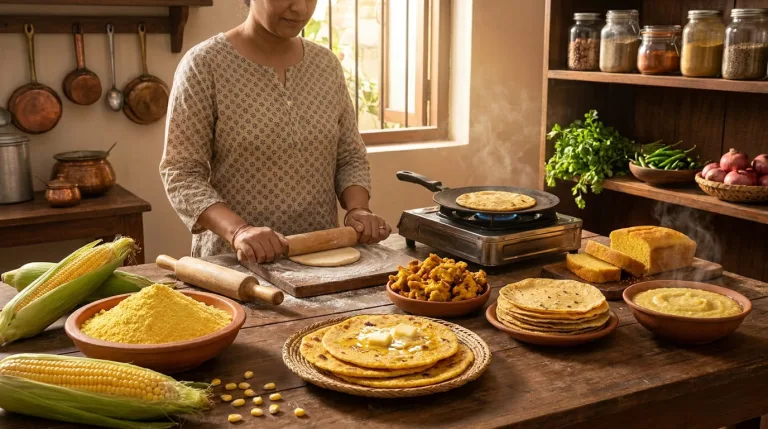
When you walk into a Pakistani kitchen, you’ll find shelves lined with different types of flours, each with its own special job. But there’s one that might just be the most hardworking ingredient hiding in there, and most people don’t even realize how incredible it is. Makki ka atta, or corn flour, isn’t just a backup flour you use when wheat runs out, it’s a powerhouse ingredient that’s been feeding families across Pakistan for generations. Whether your grandmother uses it to make crispy pakoras or your mom mixes it into traditional breads, this golden flour is quietly making food taste better and keeping people healthier.
The interesting part? Makki ka atta is so useful that farmers, home cooks, and food manufacturers all depend on it for completely different reasons. It’s one of those ingredients that connects us to our agricultural heritage while also being super practical for modern cooking. Let’s dig into what makes this flour so special and why it deserves a permanent spot in your kitchen.
What Exactly Is Makki Ka Atta?
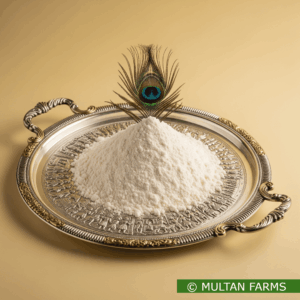
Think of makki ka atta as the ground-up heart of corn. When farmers harvest corn kernels, they dry them completely, then grind them into a fine powder that creates this golden or yellowish flour. Unlike wheat flour, which comes from grinding whole wheat grains, corn flour has a completely different texture and personality. The grains are larger, which gives makki ka atta its characteristic slightly grainy feel. It doesn’t have the gluten that wheat does, which means it behaves totally differently when you cook with it.
Here’s where it gets cool, corn actually grows incredibly well in Pakistan, especially in Punjab and other regions. The crop thrives in the warm, sunny climate and produces huge yields, which is why makki ka atta is so affordable and available year-round. When you buy a bag of it, you’re supporting local farmers who’ve been perfecting corn cultivation for decades.
The Nutritional Superpowers of Corn Flour
If you think makki ka atta is just empty calories, think again. This flour is actually packed with nutrients that your body needs. It’s rich in carbohydrates, which give you energy for sports, studying, or just getting through your day. But there’s more, corn flour also contains fiber, which helps keep your digestive system happy and healthy. You’ll also find B vitamins in there, the kind that help your brain work better and keep your energy levels steady.
One thing that makes makki ka atta stand out is that it’s naturally gluten-free. For people who can’t digest wheat because of celiac disease or gluten sensitivity, corn flour is a lifesaver. It lets them enjoy breads, pakoras, and other traditional dishes without any problems. Plus, corn flour contains something called lutein, which is actually good for your eyes and helps protect your vision as you get older.
The yellow color you see in makki ka atta? That comes from natural compounds called carotenoids, the same stuff that makes carrots orange. These act like antioxidants in your body, which basically means they protect your cells from damage. So when you’re eating something made with makki ka atta, you’re actually feeding your body some pretty amazing stuff.
How Makki Ka Atta Shows Up in Your Plate
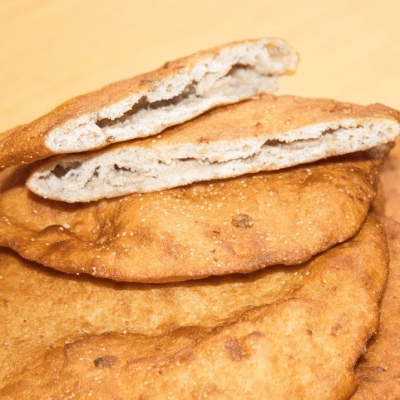
Walk into any Pakistani kitchen and you’ll see makki ka atta being used in so many ways that you might not even notice. The most traditional use is in makki ki roti, a type of flatbread that’s especially popular during winter months in North India and Pakistan. It’s got a slightly crumbly texture that’s totally different from wheat roti, and when it’s warm and fresh with a dollop of butter and some achaar on the side, it’s absolutely delicious.
But makki ka atta isn’t just for bread. It’s the secret ingredient in crispy pakoras and fritters because it creates that perfect golden, crunchy exterior. Families use it to coat vegetables before frying, and the result is always satisfyingly crisp. You’ll also find it in traditional sweets and desserts, where it gives baked goods a unique flavor and texture that people absolutely love. Some bakeries use it to make delicious corn cakes and cookies that have a slight sweetness built right in.
Here’s something cool many street food vendors use makki ka atta in their batters for samosas and other fried snacks. The flour makes everything crunchier and helps things fry more evenly, which is why those treats taste so good. In modern kitchens, people are even experimenting with makki ka atta in pancakes, muffins, and cookies, mixing it with wheat flour to create interesting new textures.
Why Makki Ka Atta Is Perfect for Multan and Punjab
The Multan region has a rich agricultural heritage, and corn is one of the crops that thrives here. The fertile soil, combined with the right amount of sunshine and irrigation, makes this area ideal for growing high-quality corn. When you buy makki ka atta from Multanfarms.com, you’re getting flour that was grown and processed right in this region, which means it’s fresher and supports local farmers directly.
Farmers in Multan have perfected the art of growing corn that produces the best quality flour. They understand the climate, the soil conditions, and exactly when to harvest for maximum quality. This local knowledge, passed down through generations, means the makki ka atta you’re using has been processed by people who truly know what they’re doing.
How to Pick and Store Your Makki Ka Atta
When you’re choosing makki ka atta, look for flour that’s a consistent golden color and has a pleasant, slightly sweet corn smell. If it smells off or looks damp, skip it and find another bag. Good quality makki ka atta should feel fine and smooth, without any lumps or clumps. Store it in an airtight container away from moisture, heat, and direct sunlight, and it’ll stay fresh for months.
The best place to keep it is in a cool, dry part of your kitchen, maybe a cupboard or shelf away from the stove. If you live in a humid area, you might want to keep it in the fridge or freezer to prevent it from picking up moisture and clumping. Pro tip, always use a dry spoon when scooping flour out, because even small amounts of moisture can shorten its shelf life.
The Bottom Line
Makki ka atta might seem like just another ingredient sitting on your pantry shelf, but it’s actually something that connects your kitchen to centuries of agricultural tradition. It’s nutritious, versatile, and perfect for everything from traditional breads to modern baked goods. Whether you’re making something simple like a quick breakfast bread or impressing friends with crispy pakoras, makki ka atta is ready to deliver.
The next time you’re cooking, challenge yourself to try something new with this amazing flour. You might discover a new family favorite. Check out Multanfarms.com to find the highest quality makki ka atta, grown and processed with care right here in the Multan region.