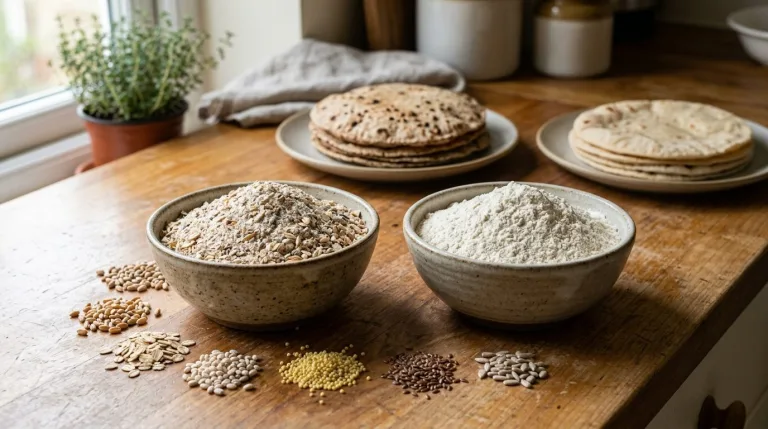
Walk into any kitchen in Pakistan and you’ll find a bag of ata sitting near the stove. It’s how our rotis get made, and for most families, plain wheat flour is all they’ve ever used. But lately, a different kind of ata has been showing up in homes and shops, and people can’t stop talking about it. Multigrain ata is quietly changing the way Pakistani families think about their daily bread.
So what exactly makes it different? Instead of using just one grain, this flour blends together several grains, each bringing its own nutrients and flavour to the mix. Think of it like a cricket team, where every player has a special skill that makes the whole group stronger. That’s multigrain ata in a nutshell, a powerhouse team of grains working together in every roti you eat.
In this article, we’ll break down what multigrain ata is made of, why it’s worth adding to your kitchen, and how it stacks up against the plain wheat flour you’re used to. By the end, you might just want to make the switch yourself.
What Is Multigrain Ata, Exactly?
Multigrain ata is flour made by grinding a combination of grains together rather than relying on wheat alone. Common grains included in the blend are wheat, barley, millet (bajra), oats, sorghum (jowar), maize, and sometimes even chickpea flour. Each grain brings something different to the table, whether that’s extra fibre, more protein, or a unique earthy flavour.
The word “multigrain” simply means many grains, and that’s the whole idea. Rather than stripping food down to its simplest form, multigrain ata holds onto the goodness from several sources at once. This is very different from refined white flour, which has most of its nutritional content removed during processing.
You can use multigrain ata exactly the way you’d use regular ata. It makes soft rotis, parathas, and flatbreads that taste slightly nuttier and more wholesome than what plain wheat flour produces.
Which Grains Go Into the Blend?
Most multigrain ata blends include a core set of powerful grains:
- Wheat, the base grain that holds the dough together and gives rotis their familiar chewiness.
- Barley (Jau), which is loaded with soluble fibre and helps keep digestion on track.
- Bajra (Pearl Millet), a traditional Pakistani grain packed with iron and magnesium.
- Jowar (Sorghum), a naturally gluten-free grain that adds a mild sweetness and plenty of antioxidants.
- Oats, well known for keeping cholesterol levels in a healthy range.
- Maize (Makki), a Punjab staple that brings Vitamin B and steady natural energy to the mix.
Some premium blends also include flaxseeds, chickpea flour (besan), or ragi (finger millet) for extra nutrition. Every ingredient has a purpose, and together they create a flour that’s far more nutritious than wheat alone could ever be.
Why Is Multigrain Ata So Good for Your Health?
The biggest reason people make the switch is health. When you eat a roti made from plain refined flour, your body digests it quickly, causing a sharp spike in blood sugar. Multigrain ata works differently because it contains much more dietary fibre, which slows digestion down and keeps blood sugar levels steady throughout the day.
Fibre is also great for your gut. It keeps your digestive system moving smoothly, reduces bloating, and lowers the risk of constipation. If you’ve ever felt heavy and uncomfortable after a heavy meal, increasing your daily fibre intake can make a real, noticeable difference.
Multigrain ata also delivers a wider range of vitamins and minerals than plain wheat flour. You get iron from bajra, calcium from ragi, and B vitamins from oats and maize, all packed into a single roti. It’s a simple, delicious way to give your body more of what it needs every single day.
Multigrain Ata vs. Regular Wheat Flour: What’s the Real Difference?
Let’s put both types of flour side by side so the difference is clear. Regular whole wheat ata is not a bad choice at all. It still contains the bran and germ of the wheat grain, which means it has decent fibre and some useful nutrients. But it’s still just one grain, so its nutritional profile is limited to what wheat alone can offer.
Multigrain ata goes several steps further. Because it draws nutrition from multiple grains, it offers a broader range of vitamins, minerals, and antioxidants in every serving. It also tends to have a lower glycaemic index (GI), which is a measure of how quickly a food raises your blood sugar after eating. A lower GI means your energy stays steadier for longer, and you don’t feel hungry again as quickly after your meal.
For people managing diabetes, heart health, or weight, the lower GI and higher fibre content of multigrain ata make it a much smarter everyday choice compared to regular wheat flour.
How to Use Multigrain Ata in Your Kitchen
The good news is that switching to multigrain ata doesn’t mean learning to cook all over again. You can substitute it for regular wheat flour in almost any recipe your family already loves. Your rotis, parathas, and chapatis will come out slightly denser and nuttier, but most people find they actually prefer the taste once they’ve tried it a few times.
One practical tip is to add a little extra water when kneading multigrain dough, since the fibrous grains absorb more moisture. Let the dough rest for about 10 to 15 minutes before rolling it out. This helps the dough relax and makes rolling much easier.
You can also use multigrain ata in traditional sweets like laddoos and halwa, or even in baked flatbreads. It’s versatile, easy to work with, and a simple upgrade that your whole family can enjoy without needing to change your cooking style at all.
Why Multan Farms Believes in Real Grains
At Multanfarms.com, we believe that what goes into your flour matters just as much as what goes into your cooking. Our region, southern Punjab, has a long history of growing some of Pakistan’s finest grains, from golden wheat to hearty bajra, and that heritage drives everything we do.
Multigrain ata connects the best of traditional grain farming with modern nutritional understanding. It gives you something that’s both rooted in our food culture and genuinely good for your health. When you choose multigrain ata, you’re not just upgrading your roti, you’re choosing a more nourishing way to eat every day.
The Bottom Line
Multigrain ata is more than just a health trend. It’s a simple, practical swap that brings more nutrients, better digestion, and steadier energy into your daily meals, all without changing the foods your family already loves. From the bajra fields of Multan to oat farms further north, every grain in the blend carries its own story and its own set of benefits.
If you’re thinking about small changes that actually make a difference, starting with your ata is one of the easiest places to begin. The next time you’re kneading dough for tonight’s rotis, ask yourself, could this one ingredient be doing so much more for your family?
Explore natural, wholesome products from Multanfarms.com and bring the goodness of real grains into your home today.