Did you know that a single layer hen can produce around 300 eggs in just one year? That’s almost one egg every single day! Now imagine having a whole flock of these amazing birds. Whether you’re thinking about starting a small backyard project or dreaming of running a poultry business someday, finding the right layer chicks for sale is the very first step.
Layer chicks are baby chickens that are specifically bred to grow up and lay lots of eggs. They’re different from broiler chicks, which are raised for meat. Think of it like this, layer chicks are the marathon runners of the chicken world. They’re built for long-term performance, steadily producing eggs for months and even years.
In this article, you’ll learn what layer chicks actually are, which breeds are the best egg producers, what to look for when buying them, and how to take care of them once you bring them home. Let’s crack into it!
What Exactly Are Layer Chicks?
Layer chicks are young female chickens (also called pullets once they’re a bit older) that have been bred specifically for egg production. These aren’t just any random baby chickens. They come from breeds that have been carefully selected over many generations to lay the maximum number of eggs.
It’s kind of like how some dog breeds are great at herding sheep while others are perfect lap dogs. Layer breeds are the “egg champions” of the poultry world. They put most of their energy into producing eggs rather than gaining body weight.
Most layer chicks start laying eggs when they’re about 18 to 20 weeks old, which is roughly 4 to 5 months. Once they start, they can keep laying consistently for about 12 to 18 months before production naturally slows down.
Popular Layer Breeds You Should Know About
Not all layer chicks are the same. Different breeds have different strengths. Here are some of the most popular ones you’ll find when searching for layer chicks for sale:
- Lohmann Brown, One of the most common commercial layers. These birds are tough, friendly, and can lay up to 320 brown eggs per year.
- ISA Brown, Another superstar layer that’s known for being calm and easy to manage. They produce large brown eggs consistently.
- White Leghorn, If you want white eggs, these are your birds. Leghorns are smaller in size but incredibly efficient egg producers, often laying over 300 white eggs annually.
- Golden Misri (Desi Cross), Very popular in Pakistan, these birds are hardy and do well in local weather conditions. They lay a good number of eggs and are also decent for meat.
- Australorp, These hold the world record for egg laying. One Australorp hen once laid 364 eggs in 365 days! They’re gentle, beautiful black birds that do great in backyard settings.
Each breed has its own personality and egg-laying capacity. Choosing the right one depends on your climate, budget, and goals.
What to Look for When Buying Layer Chicks
Finding layer chicks for sale isn’t hard, but finding healthy, quality chicks requires some knowledge. Here’s what you should check before buying:
1. Buy from a reputable source. Always purchase from trusted hatcheries or farms that vaccinate their chicks and maintain clean facilities. A reliable seller will be transparent about the breed, age, and vaccination history of the chicks.
2. Check their appearance. Healthy chicks should be active, alert, and moving around. Their eyes should be bright and clear, not dull or closed. Avoid chicks that look sleepy, puffed up, or are sitting alone in a corner, as these could be sick.
3. Ask about vaccinations. Good hatcheries vaccinate chicks against common diseases like Newcastle disease and Marek’s disease before selling them. This is like getting your childhood vaccines. It protects them from serious illnesses later.
4. Know the age. Layer chicks are usually sold as day-old chicks or as slightly older pullets (4 to 8 weeks). Day-old chicks are cheaper but need more care. Older pullets cost more but are past the most fragile stage.
Setting Up a Home for Your New Chicks
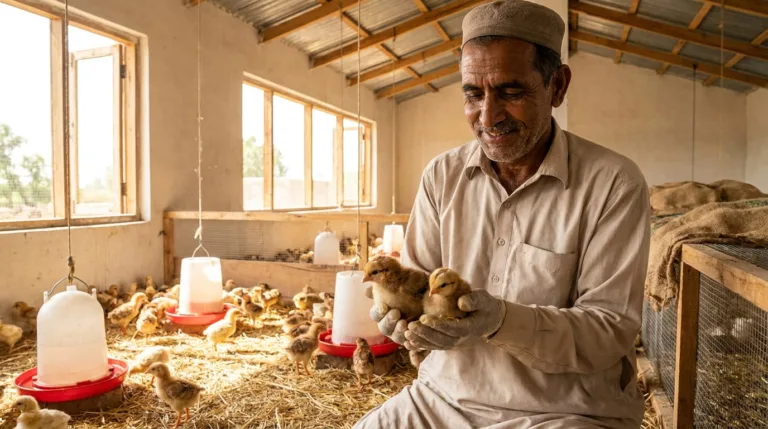
Bringing home layer chicks is exciting, but they need proper care from day one. Baby chicks are like newborns. They can’t regulate their own body temperature and need a warm, safe environment.
Here’s what you’ll need to set up a brooder (a warm enclosure for baby chicks):
- Heat source, A heat lamp or brooder plate to keep the temperature around 95°F (35°C) for the first week. Reduce it by 5 degrees each week until they’re fully feathered.
- Bedding, Wood shavings or rice husks work great. Avoid newspaper because it’s too slippery for their tiny feet.
- Feed, Starter feed with about 20% protein is essential for the first 6 weeks. After that, you’ll switch to grower feed, and eventually layer feed once they start producing eggs.
- Clean water, Always available, always fresh. Use shallow waterers so the chicks don’t accidentally fall in.
Think of the brooder like a cozy nursery. It keeps them warm, fed, and safe until they’re strong enough to handle the outside world.
The Cost Factor, What to Expect
When you’re looking at layer chicks for sale, price varies depending on the breed, age, and where you’re buying from. Day-old chicks are the most affordable option, usually costing significantly less than older pullets that are closer to laying age.
Here’s a simple way to think about it. Buying day-old chicks is like buying seeds for a garden. They’re cheap, but you need to invest time, feed, and care before you see results. Buying older pullets is like buying a plant that’s already growing. It costs more upfront, but you’ll get eggs sooner.
Don’t forget to factor in ongoing costs like feed, housing, and basic healthcare. The good news is that once your hens start laying, the eggs they produce can easily cover the cost of their feed and then some. Many small farmers actually earn a profit within the first few months of egg production.
Why Raising Layer Chicks Is a Great Idea
Raising layer chickens isn’t just about eggs, though that’s obviously a huge benefit. It teaches responsibility, patience, and basic business skills. Many young people in Pakistan and around the world start small poultry projects as a way to learn about agriculture and even earn some pocket money.
Fresh eggs from your own hens taste noticeably better than store-bought ones. The yolks are richer, more orange, and packed with nutrients. Plus, you know exactly what your chickens ate and how they were raised. No mystery ingredients.
It’s also a surprisingly relaxing hobby. Watching chickens scratch around, dust-bathe, and do their chicken things is oddly entertaining. Many people find it calming, like having feathery little pets that also pay rent in eggs.
Final Thoughts
Finding quality layer chicks for sale is the first step toward a rewarding journey, whether you’re starting a small backyard flock or planning something bigger. The key is choosing the right breed for your needs, buying from a trustworthy source, and giving your chicks the proper care they need to grow into healthy, productive hens.
Remember, those tiny fluffy chicks will grow up to provide you with fresh eggs almost every day for over a year. That’s a pretty amazing return on a small investment of time and care.
So, are you ready to start your own egg-producing flock? The journey from a tiny chick to a basket full of fresh eggs is shorter than you might think!