Have you ever been scrolling through beauty videos online and seen someone squeezing fresh lemon juice into a bowl of clay powder? It looks pretty simple, right? Just two natural ingredients mixed together for glowing skin. But before you rush to your kitchen and start experimenting, you might be wondering: is this actually a good idea, or could it cause problems for your skin?
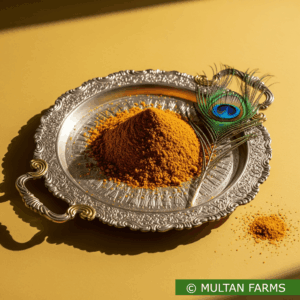
Multani Mitti, also known as Fuller’s Earth, is a clay that’s been used for centuries in countries like India and Pakistan for beautiful, healthy skin. It’s amazing at soaking up excess oil and cleaning out your pores. Lemon, on the other hand, is packed with vitamin C and natural acids that can brighten your skin. So it seems like combining them would give you the best of both worlds, like mixing peanut butter and chocolate to make the ultimate treat!
But here’s the thing: just because two ingredients are good on their own doesn’t always mean they’re great together. In this article, we’ll explore whether adding lemon to Multani Mitti is actually beneficial, what happens when you mix these two ingredients, who should try it, who should avoid it, and the safest ways to use this combination. By the end, you’ll know exactly whether this popular beauty hack is right for your skin.
What Happens When Lemon Meets Multani Mitti?
Let’s talk about what these two ingredients do when they join forces. Multani Mitti is a natural clay that works like a super-absorbent sponge. It pulls out dirt, oil, and impurities from deep within your pores, leaving your skin feeling clean and refreshed. Think of it as a vacuum cleaner for your face, sucking up all the stuff that shouldn’t be there.
Lemon juice contains citric acid, which is a natural exfoliant. This means it helps remove dead skin cells that make your complexion look dull and tired. Lemon also has vitamin C, which can help fade dark spots and give your skin a brighter, more even appearance. Plus, it has antibacterial properties that might help fight the bacteria that cause pimples and acne.
When you mix lemon with Multani Mitti, you’re creating a mask that combines deep cleaning with gentle exfoliation and brightening. The clay does the heavy lifting by pulling out impurities, while the lemon works on the surface to remove dead skin and brighten your complexion. It’s kind of like having a cleaning crew where one person vacuums while another dusts and polishes, they’re working together to get everything spotless!
However, and this is important, lemon is also quite acidic. Your skin naturally has a slightly acidic pH (around 4.5 to 5.5), which helps protect it from harmful bacteria. Lemon juice has a much lower pH (around 2), which means it’s way more acidic than your skin is used to. This extra acidity can be helpful in small amounts, but it can also cause irritation if you’re not careful.
The Benefits: Why People Love This Combo
So why do so many people swear by adding lemon to their Multani Mitti masks? There are actually some pretty good reasons! First up, this combination is excellent for oily and acne-prone skin. If your face gets shiny and greasy by lunchtime, or if you’re constantly battling breakouts, the lemon-Multani Mitti mix can help control that excess oil production.
The antibacterial properties of lemon work together with the deep-cleaning power of Multani Mitti to really tackle acne-causing bacteria. It’s like having a one-two punch against pimples. The clay removes the oil and dirt where bacteria love to grow, while the lemon actually fights the bacteria itself. Many people notice their breakouts become less frequent after using this mask regularly.
Another huge benefit is skin brightening. If you have dark spots from old pimples, uneven skin tone, or just want your face to look more radiant, the vitamin C in lemon can help with that. When combined with the exfoliating action of the clay, you might notice your skin looking clearer and more glowing after just a few uses. It’s kind of like polishing a dull penny until it shines bright and new again!
This combination can also help shrink the appearance of large pores. The clay tightens and cleanses your pores while the lemon’s astringent properties help them appear smaller. If you’ve ever looked in the mirror and wished those little dots on your nose and cheeks would just disappear, this mask might help make them less noticeable.
Finally, both ingredients are super affordable and easy to find. You can get pure Multani Mitti from places like Multanfarms.com, and lemons are available at basically any grocery store. Compared to fancy skincare products that cost a fortune, this DIY mask is budget-friendly and uses ingredients you might already have at home.
The Risks: What Could Go Wrong?
Now let’s talk about the flip side, because it’s super important to understand the potential problems before you slather lemon and clay all over your face. The biggest concern with adding lemon to Multani Mitti is skin irritation. Remember how we talked about lemon being really acidic? Well, that acidity can be too harsh for some people, especially if you have sensitive or dry skin.
When lemon juice is too strong for your skin, you might experience redness, burning, stinging, or even peeling. Imagine putting hot sauce on a paper cut, that’s kind of what overly acidic lemon can feel like on sensitive skin. Some people don’t have any problems, but others find that lemon is just too intense, even when mixed with clay.
Another serious concern is something called phytophotodermatitis. That’s a super long word that basically means your skin becomes extra sensitive to sunlight when certain plant chemicals (like those in lemon) are on it. If you use a lemon mask and then go outside in the sun, you could end up with dark patches, burns, or irritation that’s way worse than a regular sunburn. This is why you should never, ever use lemon on your skin and then head outdoors without serious sun protection.
Lemon can also be too drying for some skin types. While it’s great for oily skin, people with normal, dry, or combination skin might find that the lemon strips away too much of their skin’s natural moisture. Your skin needs some oil to stay healthy and protected, and removing all of it can actually make things worse. It’s like washing your hands too much during flu season, it removes germs but can also make your skin dry and cracked.
There’s also the issue of uneven results. Fresh lemon juice can vary in strength depending on the lemon, how ripe it is, and how much you use. One day your mask might be perfect, and the next time it could be too strong or too weak. Store-bought skincare products are tested and formulated to be consistent every time, but DIY mixtures can be a bit unpredictable.
Who Should Try It and Who Should Skip It?
Not every skin type reacts the same way to lemon and Multani Mitti, so let’s break down who’s most likely to benefit from this combination and who should probably avoid it.
You might love this mask if you have:
Oily skin that gets shiny throughout the day. The combination will help control that excess oil without being too harsh. Acne-prone skin with frequent breakouts. The antibacterial properties of lemon plus the deep cleaning of clay can really help clear things up. Dark spots or uneven skin tone from old pimples. The brightening effects of lemon can fade those marks over time. Large pores that you want to minimize. Both ingredients work together to make pores appear smaller and cleaner.
You should probably skip this mask if you have:
Sensitive skin that gets red or irritated easily. The acidity of lemon might be too much for your delicate skin to handle. Dry skin that already feels tight or flaky. This combination can be too drying and might make things worse instead of better. Any cuts, scrapes, or open wounds on your face. Lemon on broken skin will sting like crazy and can slow down healing. Skin conditions like eczema or rosacea. The acidity can trigger flare-ups and make these conditions more uncomfortable.
If you’re not sure which category you fall into, there’s an easy test you can do. Mix a tiny amount of lemon and Multani Mitti and apply it to a small patch of skin on your inner arm. Wait 24 hours and see how that area reacts. If it gets red, itchy, or irritated, then you know this combination isn’t for you. If nothing bad happens, you’re probably safe to try it on your face, but still be cautious and start slowly.
How to Use Lemon and Multani Mitti Safely
If you’ve decided this mask is worth trying, here’s exactly how to do it the right way to minimize any risks. First, always dilute your lemon juice. Never use straight lemon juice directly from the fruit because it’s way too strong. Mix one part fresh lemon juice with two parts water, or even better, mix it with rose water for extra soothing benefits.
Here’s a simple recipe to get you started: Take two tablespoons of pure Multani Mitti powder (you can get high-quality clay from Multanfarms.com). Add one teaspoon of diluted lemon juice. Add enough plain water or rose water to make a smooth paste. Mix everything together until it’s creamy and easy to spread.
Before applying the mask, make sure your face is completely clean. Wash away any makeup, dirt, or sunscreen with your regular cleanser. Then apply the mask evenly across your face, but avoid the delicate area around your eyes. Also skip your lips because the skin there is super thin and sensitive.
Here’s a crucial tip: don’t leave the mask on for too long. Start with just 5 to 7 minutes for your first time. If your skin handles that well, you can gradually work up to 10 to 15 minutes maximum. Never let a lemon-based mask dry completely until it’s cracking, because that’s when it can become too harsh on your skin.
When it’s time to remove the mask, splash your face with lukewarm water and gently massage in circular motions to help exfoliate. Rinse thoroughly until every bit of clay is gone, then pat your face dry with a clean towel. Immediately apply a good moisturizer to lock in hydration. This step is super important because both lemon and clay can be drying.
And here’s the most important rule: only use this mask at night, never in the morning. After using lemon on your skin, you need to stay out of the sun for at least 12 hours. Always apply sunscreen the next day, even if you’re just going to school or running errands. Sun protection is absolutely essential when you use lemon in your skincare routine.
Better Alternatives to Lemon
If you’re worried about the potential risks of lemon but still want to boost your Multani Mitti mask, there are several safer alternatives you can try. These options give you similar benefits without the high acidity and sun sensitivity issues.
Honey is an amazing addition to Multani Mitti. It’s naturally antibacterial like lemon, but it’s also super moisturizing and gentle. It won’t irritate sensitive skin, and it actually helps heal acne while keeping your skin soft and hydrated. Mix one tablespoon of raw honey with your clay for a soothing, healing mask.
Rose water is another fantastic option. It smells amazing, it’s incredibly gentle, and it helps balance your skin’s pH naturally. It also has anti-inflammatory properties that can calm redness and irritation. Use rose water instead of plain water when mixing your Multani Mitti for a luxurious, spa-like experience.
Yogurt contains lactic acid, which is a much gentler acid than the citric acid in lemon. It still provides exfoliation and brightening benefits but without the harshness. Plus, yogurt has probiotics that can actually help your skin’s natural protective barrier. Mix a tablespoon of plain yogurt (not the flavored kind!) with your clay for a creamy, effective mask.
Aloe vera gel is perfect if you have sensitive or irritated skin. It’s incredibly soothing and healing, and it provides moisture without being too heavy. Aloe is especially good if you’ve been in the sun recently or if your skin is feeling angry and inflamed.
The beauty of these alternatives is that you get great results without playing with fire, so to speak. They work with your skin instead of potentially against it, and you don’t have to worry about sun sensitivity afterward.
The Final Verdict on Lemon and Multani Mitti
So, can you add lemon to Multani Mitti? Yes, you technically can, and some people get great results from it. But should you? That depends entirely on your skin type, how careful you are, and whether you’re willing to deal with the potential risks. If you have oily, resilient skin and you’re committed to using it safely (diluted, at night, with sunscreen the next day), then it might work well for you.
However, if you have any doubts or if your skin tends to be sensitive, it’s probably smarter to stick with gentler alternatives that give you similar benefits without the risk of irritation or sun damage. Remember, skincare isn’t about following every trend you see online, it’s about finding what works best for your unique skin.
The pure Multani Mitti from Multanfarms.com is already incredibly effective on its own, and you can customize it with so many different safe ingredients depending on what your skin needs that day. Sometimes the simplest approach is actually the best one!
Ready to create your perfect face mask? What ingredients will you choose to mix with your Multani Mitti, and why? Your skin’s about to thank you!