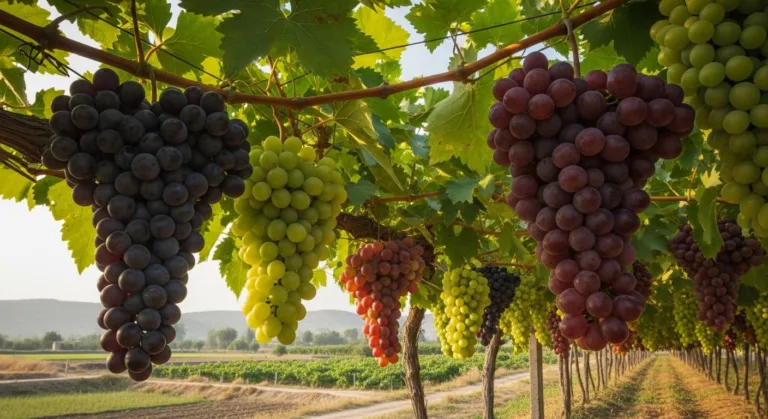
Picture this: you’re walking through a bustling Pakistani market on a hot summer day, and you spot a fruit vendor with the most incredible display of grapes you’ve ever seen. Some are tiny and green, others are huge and dark purple, and some look almost golden in the sunlight. You might think all grapes are pretty much the same, but in Pakistan, there’s actually a whole world of different grape varieties that each have their own unique flavors, colors, and stories!
Pakistan might not be the first country you think of when someone mentions grapes, but here’s a fun fact: this South Asian nation has been growing grapes for thousands of years! The country’s diverse climate, from the cool mountain valleys to the warm plains, creates perfect conditions for growing all sorts of different grape types. Farms like Multanfarms.com work hard to cultivate these delicious fruits, and the variety available is honestly pretty amazing.
In this article, we’re going to explore the fascinating world of Pakistani grapes. You’ll learn about the different types grown across the country, what makes each one special, and maybe even discover a new favorite variety you’ve never heard of before. Trust me, by the end of this, you’ll never look at a bunch of grapes the same way again!
The Green Giants: Pakistan’s Seedless Wonders
Let’s start with probably the most popular type of grape in Pakistan: the green seedless varieties. These are the grapes that most people reach for at the market because, well, nobody likes spitting out seeds while trying to enjoy a snack, right? The most common green seedless grape in Pakistan is called Perlette, and it’s absolutely everywhere during grape season.
Perlette grapes are like the reliable friend who’s always there when you need them. They’re medium-sized, super crispy, and have a refreshing sweet flavor that’s perfect for hot Pakistani summers. These grapes typically ripen in May and June, which is exactly when people need something cool and hydrating to beat the heat. Farmers love growing Perlette because the vines are pretty tough and can handle Pakistan’s sometimes unpredictable weather.
Another green variety you’ll find is the Thompson Seedless, which is a bit smaller than Perlette but incredibly sweet. Think of Thompson Seedless as the concentrated juice box version of grapes, small but packed with flavor! These are often used to make raisins too, so if you’ve ever eaten those wrinkly sweet snacks, you might have actually tasted dried Thompson Seedless grapes without even knowing it.
The Black Beauties: Dark and Delicious
Now let’s talk about the dark-colored grapes that look almost mysterious with their deep purple or black skins. These varieties aren’t just pretty to look at, they’re also loaded with special nutrients called antioxidants that are really good for your health. It’s like nature’s way of saying “the cooler it looks, the better it is for you!”
The Black Prince variety is one of the most sought-after grapes in Pakistan. These grapes are larger than most others, with a deep black color that almost looks blue in certain light. When you bite into a Black Prince grape, you get this amazing combination of sweetness and a tiny bit of tartness that makes your taste buds wake up. They’re kind of like the dessert of the grape world, rich and satisfying.
Another dark variety that’s gaining popularity is called Bangalore Blue. Despite the name, these grapes actually have more of a purple-black color. They’re known for being really juicy, and they have a thicker skin than green grapes, which helps them stay fresh longer. Farmers in areas like Punjab and Balochistan have started growing more Bangalore Blue because people are realizing how delicious they are!
The Golden Ones: Amber and Yellow Varieties
Here’s where things get really interesting! Not all grapes are green or black, some varieties have this beautiful golden or amber color that makes them look like little gems hanging from the vines. These aren’t as common as the green or black types, but when you find them, they’re definitely special.
The Kishmish variety (which means “raisin” in several languages, including Urdu) is a traditional golden grape that’s been grown in Pakistan for generations. These grapes are small to medium-sized with a yellowish-green to golden color when fully ripe. What makes Kishmish really cool is that it’s seedless and incredibly sweet, like nature’s candy! They’re perfect for eating fresh, but they’re also the grapes that get dried to make those golden raisins you might see in trail mix.
Some farmers also grow a variety called Muscat, which has a unique flavor that’s hard to describe. Imagine if a grape and a flower had a baby, that’s kind of what Muscat tastes like! It has this floral, perfume-like aroma that some people absolutely love. These golden grapes are often used to make special juices and are considered a bit fancier than your everyday table grapes.
Where Do These Grapes Actually Grow?
You might be wondering, “Okay, but where exactly in Pakistan do all these grapes come from?” Great question! Pakistan’s grape-growing regions are spread across different provinces, and each area specializes in different varieties based on their unique climate and soil.
The Balochistan province, especially areas around Quetta and Pishin, is like the grape capital of Pakistan. The region’s cool nights and warm days create the perfect conditions for growing amazing grapes. In fact, some people call Quetta grapes the best in the entire country! The high altitude and specific weather patterns there help grapes develop really intense flavors.
Punjab province, particularly around Multan (where farms like Multanfarms.com operate), is another major grape-growing area. The rich soil and irrigation from the rivers make it ideal for cultivating different varieties. Multan’s grapes are famous throughout Pakistan for their quality and sweetness. Khyber Pakhtunkhwa also grows grapes in its valleys, where the mountain climate gives the fruit a unique character.
Seeded vs. Seedless: What’s the Deal?
Let’s address something you’ve probably noticed: some grapes have seeds and some don’t. Why is that, and does it really matter? Well, it actually tells you a lot about the grape variety and how it’s used!
Seedless grapes are what most people prefer for snacking because, obviously, you don’t have to deal with seeds. But here’s a mind-blowing fact: seedless grapes aren’t completely natural in the way you might think. They’re the result of centuries of careful breeding where farmers selected vines that produced fewer and fewer seeds until eventually, they got grapes with seeds so tiny you can’t even notice them. It’s like the ultimate science experiment that took hundreds of years!
Seeded grapes, on the other hand, are often considered more “traditional” and some people think they have better, more complex flavors. Varieties like some types of Black Prince and certain Muscats have seeds, but fans of these grapes don’t mind because the flavor is so incredible. Think of it like choosing between boneless chicken (easy to eat) and bone-in chicken (more flavorful), both are good, just different!
When Can You Find These Grapes?
Timing is everything when it comes to grapes! Unlike some fruits that seem to be available year-round in stores, grapes in Pakistan have a specific season when they’re at their best. Understanding this can help you enjoy the freshest, most delicious grapes possible.
The main grape season in Pakistan runs from May through September, with different varieties ripening at different times. Early varieties like Perlette start showing up in markets around late May or early June. Mid-season varieties, including many of the black grapes, hit their peak in July and August. Late-season grapes can stick around until September or even early October in some regions.
During peak season, you’ll see grape prices drop because there’s so much fruit available. It’s the perfect time to enjoy grapes every day without breaking your allowance! Farmers like those at Multanfarms.com work incredibly hard during these months, harvesting bunches of grapes at just the right moment to ensure maximum sweetness and freshness.
Why Should You Care About Grape Varieties?
You might be thinking, “This is all interesting, but why does it actually matter which type of grape I eat?” Fair point! Understanding different grape varieties can actually make your life more delicious and help you make smarter choices.
First off, different grapes have different nutritional benefits. Dark grapes, for example, contain more of those antioxidants we mentioned earlier, which help keep your cells healthy. Green grapes tend to have fewer calories but are super hydrating. Knowing this means you can pick grapes based on what your body needs that day!
Plus, when you know about varieties, you can ask for specific types at markets and impress your family with your fruit knowledge. Imagine walking into a market and confidently asking for “Perlette grapes” or “Black Prince” instead of just pointing at whatever’s there. You’ll get better fruit, and the vendor will respect your knowledge. It’s a win-win situation!
The Future of Grapes in Pakistan
Here’s something exciting to think about: Pakistan’s grape industry is actually growing (no pun intended) and improving every year. Farmers are experimenting with new varieties from around the world to see what works well in Pakistani soil and climate. Some are even trying to grow famous international varieties like Red Globe and Flame Seedless.
Organizations and farms like Multanfarms.com are working on better farming techniques that produce healthier vines and tastier grapes. They’re learning about modern irrigation systems, natural pest control, and the best ways to harvest and store grapes so they stay fresh longer. This means the grapes you’ll be eating in the future might be even better than the ones available today!
There’s also a growing interest in turning Pakistani grapes into other products like grape juice, jams, and even wine vinegar (the non-alcoholic kind used in cooking). This creates more opportunities for farmers and gives people more ways to enjoy the amazing grapes grown in Pakistan.
Making the Most of Pakistan’s Grape Bounty
Now that you’re basically a grape expert, what should you do with all this knowledge? First, during grape season, make it a point to try different varieties! Don’t just grab the first bunch you see. Ask the fruit vendor what types they have and experiment with flavors. You might discover that you love the floral notes of Muscat or prefer the crisp bite of Perlette.
When you’re buying grapes, look for bunches where the grapes are firmly attached to the stems. If they’re falling off easily, they’re probably past their prime. The grapes should look plump and have a slight whitish coating (called bloom) which is totally natural and actually a sign of freshness. And remember, bigger doesn’t always mean better! Some of the smallest grapes pack the most intense flavors.
You can also get creative with how you eat grapes. Sure, they’re perfect as a snack, but you can freeze them for a cool summer treat, add them to fruit salads, or even use them in sandwiches for a sweet crunch. Some people in Pakistan make traditional desserts with grapes or use them to balance out spicy dishes.
The Grape Takeaway
Pakistan’s grape varieties are way more diverse and interesting than most people realize! From the reliable green Perlette to the luxurious Black Prince, from golden Kishmish to aromatic Muscat, there’s a whole world of flavors growing in vineyards across the country. Each variety has its own personality, its own best uses, and its own fan club of people who swear it’s the best.
Understanding these different types isn’t just about being a fruit nerd (though that’s pretty cool too). It’s about appreciating the hard work farmers put into growing quality produce, making better choices for your health, and enjoying food more mindfully. Next time you bite into a juicy grape, you’ll know its story, where it came from, and what makes it special. So here’s a challenge for you: during the next grape season, can you try at least three different varieties and figure out which one is your absolute favorite?