Have you ever had a stomachache after eating too much at a party or holiday meal? Your grandmother might have rushed to the kitchen and brought back a small spoonful of tiny, ridged seeds that look like miniature watermelons. She probably told you to chew them slowly, and amazingly, within minutes, your stomach felt better! Those magical little seeds are called carom seeds, and they’ve been used as natural medicine for thousands of years.
Carom seeds might look simple and unimpressive, but they pack an incredible punch when it comes to health benefits. In many parts of the world, especially in South Asia and the Middle East, these seeds are considered kitchen superheroes. They’re not just for upset stomachs either, people use them for coughs, sore throats, and even to add flavor to their cooking. It’s like having a tiny pharmacy and spice cabinet all rolled into one small seed!
In this article, we’ll explore what makes carom seeds so special, where they come from, how people use them, and why farms like those featured on Multanfarms.com are working to grow and share these amazing seeds with the world. Get ready to discover why something so small can be so powerful!
What Exactly Are Carom Seeds?
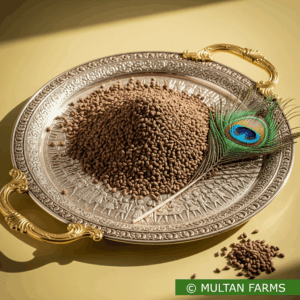
Let’s start with the basics. Carom seeds, also called ajwain (pronounced “aj-wain”) in many languages, are actually not seeds at all, they’re tiny fruits! They come from a plant that’s related to parsley and cumin, and they grow in hot, dry climates. Each “seed” is about the size of a sesame seed but has distinctive ridges running along its surface, making it look like a tiny, striped football.
When you smell carom seeds, you’ll notice they have a very strong, sharp aroma that’s kind of like thyme mixed with something spicy and medicinal. Some people love this smell, while others find it too intense at first. The taste is even stronger, it’s bitter, pungent, and creates a slight tingling or numbing sensation in your mouth. Think of it like the difference between smelling a marker and actually tasting one (which you obviously shouldn’t do!), the experience is way more intense than you’d expect.
The plant itself grows to about two to three feet tall and produces small white flowers that eventually turn into these powerful little seeds. The best carom seeds come from regions with specific growing conditions, hot days, cool nights, and well-drained soil. This is why certain areas, particularly in India, Iran, and Pakistan, have become famous for producing high-quality carom seeds.
The Ancient History of a Powerful Spice
Carom seeds have been around for a really, really long time. We’re talking thousands of years! Ancient texts from India mention these seeds as an important medicine and spice. Imagine, people were using carom seeds to feel better when the pyramids of Egypt were still being built. That’s some serious history!
In traditional medicine systems like Ayurveda (an ancient healing practice from India), carom seeds were prescribed for all sorts of ailments. Healers would create special mixtures with carom seeds to treat everything from digestive problems to respiratory issues. It’s like how people today might take different vitamins or supplements, except back then, they relied on natural plant-based remedies like carom seeds.
Traders carried these seeds along ancient spice routes, spreading their use across different cultures and continents. The spice trade was like the internet of ancient times, it connected different parts of the world and allowed people to share valuable resources. Carom seeds became so valued that they were sometimes used as currency or given as precious gifts.
Even today, many families pass down knowledge about carom seeds from generation to generation. Your great-great-grandmother might have used the same remedy for stomach problems that your grandmother uses today. It’s a living connection to the past that continues because these seeds actually work!
How Do Carom Seeds Actually Help Your Body?
Now for the science part, but don’t worry, we’ll keep it interesting! Carom seeds contain powerful natural chemicals called thymol and carvacrol. These compounds are what give the seeds their strong smell and taste, but more importantly, they have real effects on your body.
Thymol is a natural antiseptic, which means it can kill harmful bacteria and germs. It’s actually used in some mouthwashes and disinfectants! When you eat carom seeds, the thymol starts working in your digestive system, helping to kill bad bacteria that might be causing problems. Think of it like having tiny soldiers in your stomach fighting off the bad guys that make you feel sick.
The seeds also help your digestive system work better by increasing the flow of digestive juices. You know how sometimes food just sits in your stomach feeling heavy and uncomfortable? Carom seeds help move things along and break down food more efficiently. It’s like adding oil to a squeaky door, suddenly everything moves more smoothly!
Another cool thing about carom seeds is that they can help reduce gas and bloating. When you eat certain foods like beans or vegetables, bacteria in your intestines create gas as they break down the food. Carom seeds help reduce this gas production, which means less embarrassing moments and more comfort. Many people in South Asian cultures actually add carom seeds to foods that typically cause gas just to prevent problems before they start. Smart, right?
The Many Ways People Use Carom Seeds
The versatility of carom seeds is truly amazing. Let’s explore the different ways people incorporate these powerful little seeds into their daily lives.
For cooking, carom seeds add a unique flavor to foods, especially bread and savory snacks. In India and Pakistan, bakers add carom seeds to flatbreads like parathas and puris. The seeds complement the dough beautifully and also help make the bread easier to digest. Imagine eating a slice of bread that not only tastes good but also helps your stomach feel comfortable, that’s the magic of cooking with carom seeds!
As medicine, people use carom seeds in various home remedies. For a cough or sore throat, some people boil carom seeds in water, add a little honey, and drink it like tea. The warm liquid soothes the throat while the natural properties of the seeds help fight infection. For stomach problems, people might chew a small pinch of raw seeds (though they taste pretty strong!) or mix powdered seeds with warm water.
In traditional remedies, carom seeds show up in countless family recipes for health. Some people make a paste with carom seeds and apply it to aching joints for relief. Others add the seeds to warm oil and use it for massage. These practices have been tested over generations, and while they might not work for everyone, many people swear by them.
Farms like those on Multanfarms.com understand that these seeds aren’t just agricultural products, they’re an important part of cultural heritage and daily health practices. That’s why growing high-quality carom seeds matters so much.
Growing Carom Seeds: From Farm to Kitchen
Have you ever thought about how those tiny seeds actually get from a farm to your kitchen? The journey is more interesting than you might think! Growing carom seeds requires specific knowledge and the right conditions.
Carom plants need hot weather to thrive, they love temperatures that would make most of us want to stay inside with air conditioning! The plants don’t need a lot of water, which makes them perfect for regions that don’t get much rain. In fact, too much water can actually harm the plants and make the seeds less potent. It’s like goldfish, sometimes less is more!
Farmers plant carom seeds in well-prepared soil and wait about four to five months for the plants to mature. During this time, they need to watch for pests and diseases while making sure the plants get just the right amount of care. It’s a bit like raising a pet, you need to pay attention and provide what’s needed without overdoing it.
When the seed heads turn brown and dry, it’s harvest time! Farmers cut the plants and lay them out to dry completely in the sun. Once dry, they thresh the plants (which means beating or shaking them) to separate the seeds from the rest of the plant material. Then comes careful cleaning and sorting to make sure only the best quality seeds make it to market.
Quality matters a lot with carom seeds. Good seeds should be uniform in size, have a strong aroma, and be free from debris or broken pieces. Farmers who take pride in their work, like those featured on Multanfarms.com, understand that their reputation depends on consistently producing excellent seeds.
Why Carom Seeds Matter Today
In our modern world filled with medicines and processed foods, you might wonder if traditional remedies like carom seeds still have a place. The answer is absolutely yes! In fact, interest in natural remedies is growing as people look for alternatives to always reaching for pills.
Scientific research is now backing up what traditional healers have known for centuries. Studies have shown that carom seeds really do have antimicrobial properties (meaning they can kill germs), aid digestion, and have anti-inflammatory effects (meaning they can reduce swelling and irritation). It’s exciting when modern science confirms ancient wisdom!
Sustainable agriculture is another reason carom seeds matter. These plants don’t require huge amounts of water or chemical fertilizers to grow well. In a world where water is becoming scarcer and people are concerned about chemicals in food, crops like carom seeds offer a more environmentally friendly option. They’re proof that you don’t always need intensive farming methods to produce valuable crops.
Cultural preservation is important too. When younger generations learn about and use traditional foods and remedies like carom seeds, they maintain a connection to their heritage. It’s like keeping a piece of history alive in your everyday life. Plus, this knowledge represents thousands of years of human experience and experimentation, that’s valuable information we shouldn’t lose!
Economic opportunities for farmers in developing regions also depend partly on crops like carom seeds. These seeds can be sold both locally and internationally, providing income for farming families. When you buy quality carom seeds from responsible sources, you’re supporting farmers and their communities.
Simple Ways You Can Try Carom Seeds
Want to experience the power of carom seeds yourself? Here are some simple, safe ways to try them:
For digestive comfort, try chewing a small pinch (about 1/4 teaspoon) of carom seeds after a heavy meal. Yes, they taste strong, but chase them with a glass of water and you’ll be fine. Many people find this helps prevent that uncomfortable, too-full feeling.
For cooking experiments, ask a parent to help you add a pinch of carom seeds to homemade bread or crackers. They add an interesting flavor that’s especially good in savory baked goods. Start with just a small amount because a little goes a long way!
For a soothing drink, you can make carom seed tea by adding half a teaspoon of seeds to a cup of hot water, letting it steep for a few minutes, then straining it out. Add honey if you want to sweeten it. This can be comforting when your throat feels scratchy.
Remember, while carom seeds are generally safe when used in normal food amounts, they’re very concentrated and powerful. If you’re trying them for health reasons, start with small amounts and talk to a parent or doctor if you have any concerns.
The Future of These Tiny Powerhouses
As we look ahead, carom seeds seem to have a bright future. More people around the world are discovering their benefits, creating new demand for quality seeds. Researchers continue studying these seeds to better understand exactly how they work and what else they might be good for. Who knows what new uses we might discover?
Farmers are also finding new ways to grow and market carom seeds more effectively. Online platforms and direct-to-consumer sales allow farmers to connect with customers who appreciate quality and want to know where their food comes from. This is where farms showcased on Multanfarms.com are leading the way, using modern technology to share traditional crops with a global audience.
The story of carom seeds reminds us that sometimes the most powerful solutions come in the smallest packages. These tiny seeds connect us to thousands of years of human knowledge, they support sustainable farming, they help us feel better naturally, and they add unique flavors to our food. Not bad for something smaller than a grain of rice!
Next time you have a stomachache or see these little seeds at a market, you’ll know you’re looking at something special. Carom seeds prove that nature often provides exactly what we need, and sometimes the old ways really are the best ways. Pretty amazing how much power can fit in such a tiny seed, don’t you think?