Picture this: you’re scrolling through fun skincare videos, and someone says “mud mask” like it’s the coolest thing ever. But then you spot a comment in Urdu asking for its meaning, and you’re like, wait, what? Don’t worry, we’ve all been there, curious about words from different languages that pop up in our daily lives.
Today, we’re diving into the world of mud mask meaning in Urdu. You’ll learn the exact translation, why it’s called that, and how this gooey face treat connects cultures from ancient times to your bathroom shelf. By the end, you’ll not only know the Urdu words but also feel like a bilingual beauty expert!
Breaking Down the English Words: Mud and Mask
Let’s start simple. “Mud” is that squishy, brown stuff you splash in after rain, right? It’s wet soil packed with minerals from the earth. A “mask” here isn’t the kind you wear for Halloween; it’s a thick layer you put on your face to hide imperfections or treat your skin.
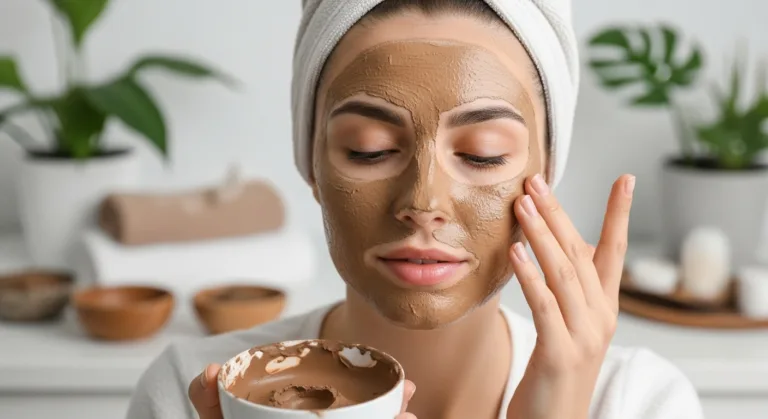
Put them together, and a mud mask is a skincare product made from special clays that you spread on like peanut butter, let dry, and rinse off for cleaner, happier skin. It’s like your face gets a mini mud bath, but way less messy than rolling in a puddle!
The Direct Translation: What’s It Called in Urdu?
In Urdu, “mud” translates to “keechad” (کیچڑ), that gooey dirt kids love to play with, or sometimes “mattī” (مٹی) for plain soil. The word “mask” becomes “mask” (ماسک) since it’s borrowed from English, or you can say “chehray ka lep” (چہرے کا لیپ), which means a paste for the face.
So, the full mud mask meaning in Urdu is “keechad ka mask” (کیچڑ کا ماسک) or more naturally, “mitti ka lep” (مٹی کا لیپ). People in Pakistan and India often call it “multani mitti mask” (ملتانی مٹی ماسک) too, because of a famous clay from Multan. Did you know this clay has been a beauty secret in South Asia for over a hundred years?
Why “Multani Mitti” Is the Star of Urdu Mud Masks
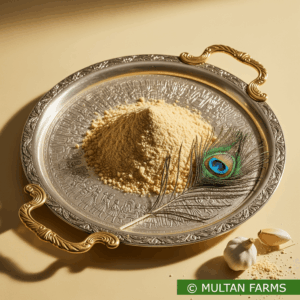
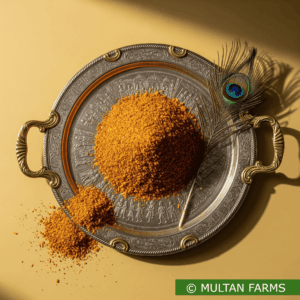
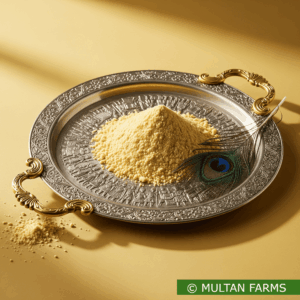
Speaking of Multan, that’s where Multanfarms.com gets its vibe! Multani mitti means “clay from Multan” in Urdu, and it’s a light, powdery earth that’s super gentle on skin. Unlike regular keechad that sticks to your shoes, this mitti cleans pores, controls oil, and leaves you glowing.
Imagine your skin as a chalkboard covered in doodles. Multani mitti acts like an eraser, wiping away dirt without harsh chemicals. For example, if your forehead shines like a mirror after school, a multani mitti lep soaks up that extra oil, just like a sponge mops a spill.
How People in Urdu-Speaking Homes Use These Masks
In many Pakistani or Indian families, grandmas swear by mitti ka lep for everything from pimples to sunburn. You mix the powder with rose water or yogurt, slap it on, and chat while it dries. It’s a weekly ritual, like family game night but for your face!
Think of it as homemade ice cream versus store-bought; the DIY version with multani mitti feels personal and fresh. One real-life story? A girl with itchy mosquito bites used a cool mitti mask, and the redness vanished faster than her brother’s video game high score. It’s affordable, natural, and fun to make with siblings.
Fun Phrases and Slang Around Mud Masks in Urdu
Urdu speakers get creative! They might say “chehray par keechad lagana” (چہرے پر کیچڑ لگانا), which literally means “putting mud on the face”, but everyone knows it’s for beauty. Or joke about looking like a “bhoot” (بھوت), a ghost, when the mask cracks as it dries.
It’s similar to how you call a bad hair day a “bird’s nest”. These playful words make skincare less boring. Did you know beauty vloggers in Lahore use hashtags like #MultaniMittiMagic to share before-and-after pics that get thousands of likes?
Mixing Cultures: English “Mud Mask” Meets Urdu Traditions
Even if you say “mud mask” in English, Urdu speakers instantly connect it to their mitti ka lep. Brands like Multanfarms.com sell pure multani mitti online, bridging old desi remedies with modern packaging. You get the same earth from Pakistani soil, now in a cute jar!
Picture a pizza; Italians invented it, but everyone adds their toppings. Similarly, the basic mud mask idea travels, but Urdu culture adds rose water for scent or milk for creaminess. Teens in Karachi mix it with aloe vera from their garden, creating a custom glow-up that’s uniquely theirs.
Wrapping It Up: Your Bilingual Mud Mask Guide
From keechad ka mask to the beloved multani mitti lep, the mud mask meaning in Urdu boils down to a natural, earthy face treatment that cleans, calms, and brightens skin. It’s a word that links English trends with South Asian grandma wisdom, proving beauty secrets cross languages like best friends share snacks.
Next time you hear “mud mask” or see ملتانی مٹی on a packet from Multanfarms.com, you’ll know exactly what’s up. Why not try saying it in Urdu to impress your friends, or better yet, mix some mitti yourself? What fun twist will you add to your first lep? Your skin’s adventure awaits!